

Powdery mildew on zucchini can be controlled, slowed, and in many cases effectively eliminated if you combine early intervention, correct cultural practices, resistant varieties, and properly applied organic treatments. If you’re wondering how to get rid of powdery mildew on zucchini, the key is understanding that this white powder that appears on zucchini leaves is a common fungal disease that spreads by airborne spores, thrives in warm dry climates with fairly high humidity, and weakens plants by robbing them of water and nutrients.
The solution is not a single spray, it is a complete management strategy. You need to prune infected leaves, improve airflow, avoid overhead watering, apply targeted treatments such as milk spray or potassium bicarbonate, and prevent recurrence with proper spacing, sunlight, and resistant cultivars.
In this comprehensive guide, we will discuss all the possible causes, environmental triggers, plant susceptibility factors, prevention strategies, organic and fungicidal treatments, and long-term solutions in detail so you can confidently protect your zucchini plants and maintain a healthy, productive garden throughout the growing season.
What Is Powdery Mildew?
Powdery mildew is a fungal disease affecting a wide range of vegetables, ornamental plants, trees, and shrubs. In zucchini and other cucurbits, it is one of the most frequent plant fungal diseases encountered in home gardens and vegetable patches.
The Nature of the Fungus
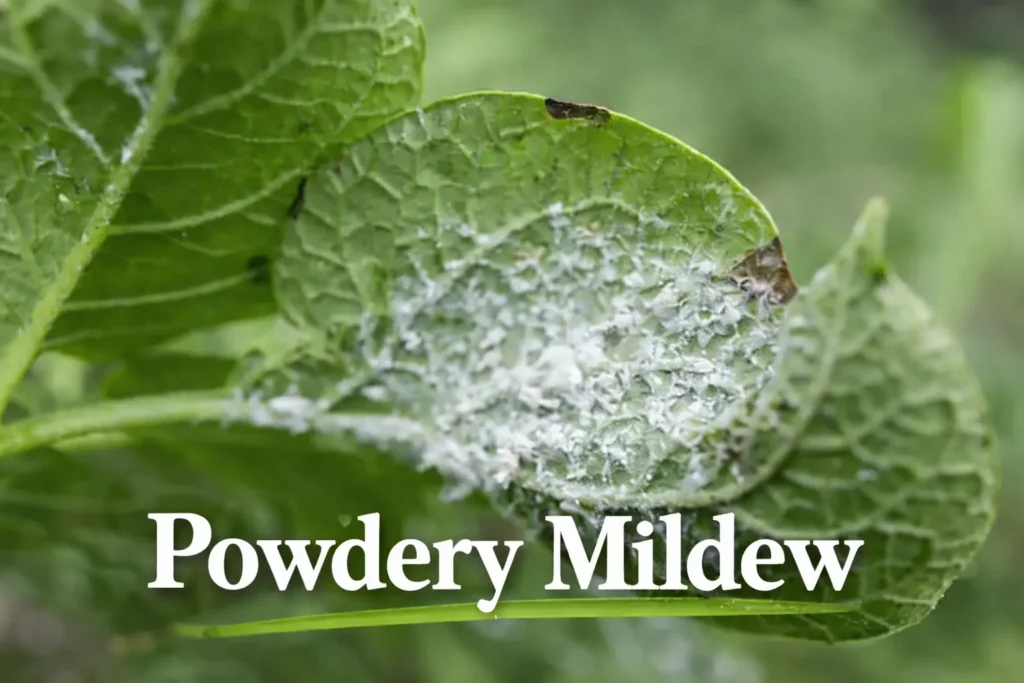
Powdery mildew belongs to a group of fungal organisms that produce airborne spores capable of spreading rapidly between susceptible host plants. These fungal spores land on leaf surfaces and begin colonizing the plant tissue, forming a visible white powdery substance.
Unlike many fungal infections that require wet leaves, powdery mildew often thrives in warm, dry weather combined with moderate humidity and poor air circulation. It does not spread well when conditions are rainy and cool, but in moderately dry regions it can become most prevalent.
Why Zucchini Is a Victim to Powder Mildew
Zucchini, along with squash, pumpkins, cucumbers, melons, and other cucurbit hosts, is particularly vulnerable. Dense foliage, rapid summer growth, and crowded planting conditions create an environment where humidity can build up between leaves. New plant growth is most susceptible, especially when there is not enough sunlight and poor air circulation.
There aren’t any plants completely immune. Some plants are more susceptible than others, and zucchini frequently appears high on that list.
Identification: What Does Powdery Mildew Look Like?
Early identification is critical because early intervention yields the best result.
Early Visual Signs
Powdery mildew often begins as:
- Small white circles
- Pale grey spots on the surface of leaves
- Light grey or white powdery spots
- Powdery white spots on zucchini leaves
The fungus may first appear on the top surface of leaves but can also develop on the underside of the leaves.
Progression of Symptoms
If not treated:
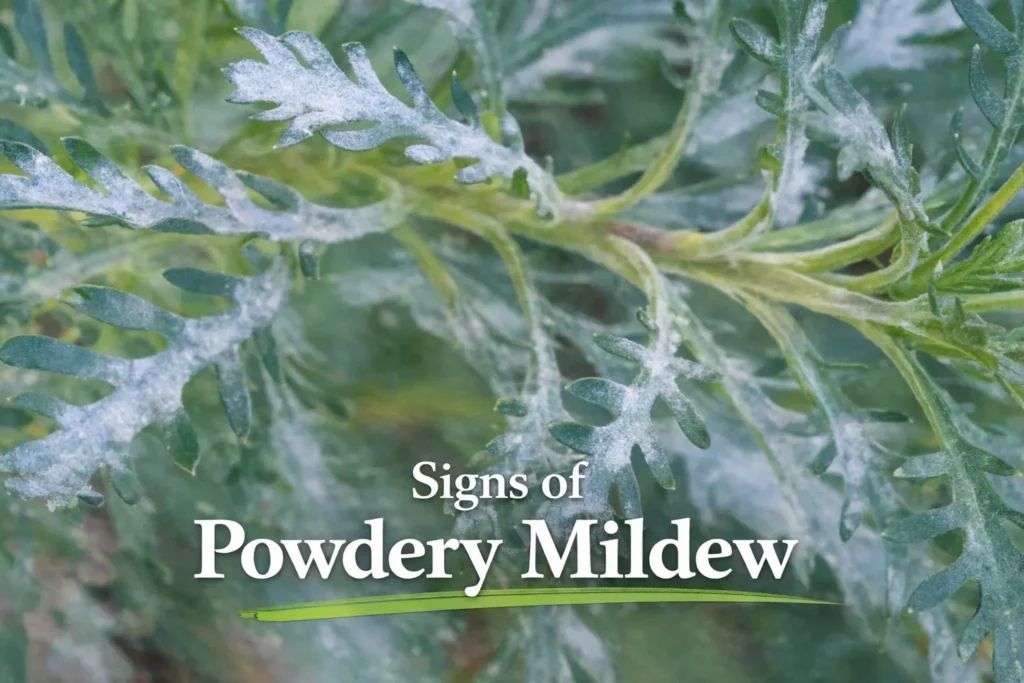
- The white powder spreads to cover most of the leaves.
- It may spread to cover the whole leaf and stem.
- Leaves begin turning yellow.
- Foliage becomes withered or distorted.
- The plant can shrivel, brown and die.
- Bloom less and grow slower.
While powdery mildew is rarely fatal immediately, over time plants can become weak and fruit production declines.
Where It Appears
In addition to zucchini leaves, the infection can affect:
- Stems
- Flowers
- Fruit or vegetables
In severe cases, untreated eventually the whole plant will shrivel.
How Does Powdery Mildew Spread?
Understanding spread helps you stop powdery mildew spreading before it transfers to other plants in the garden.
Airborne Spores
Spores are spread by wind. Even mild breezes can transfer fungal spores from infected leaves to nearby plants.
Seasonal Survival
Spores can survive over winter in leaf piles and plant debris. When warm dry climates return, the cycle restarts.
Environmental Triggers
Conditions that promote spread include:
- Warm, dry weather
- Fairly high humidity
- Not enough sunlight
- Poor air circulation
- Water sits on foliage for long periods
Counterintuitively, powdery mildew is less likely to be a problem in wet weather and more aggressive in hot dry weather with humidity trapped between leaves.
Common Plants That Powdery Mildew Affects
Powdery mildew does not limit itself to zucchini.
Fruit & Vegetable Plants
- Zucchini (courgette)
- Squash
- Pumpkins
- Melons
- Cucumbers
- Lettuce
- Potatoes
- Parsley
- Peppers
- Tomatoes
- Beans
- Peas
Certain varieties such as spaghetti squash are most susceptible, while zucchini tromboncino seems most resistant of the cucurbits.
Ornamental Plants & Flowers
- Begonias
- Roses
- Sunflowers
- Chrysanthemums
- Dahlias
- Zinnias
Specialized strains may target specific plant groups, but the fungus that attacks cucurbits is particularly aggressive in vegetable patches.
Other Common Problems With Growing Zucchini
When evaluating plant decline, it’s important to differentiate powdery mildew from insect damage.
Squash Vine Borer
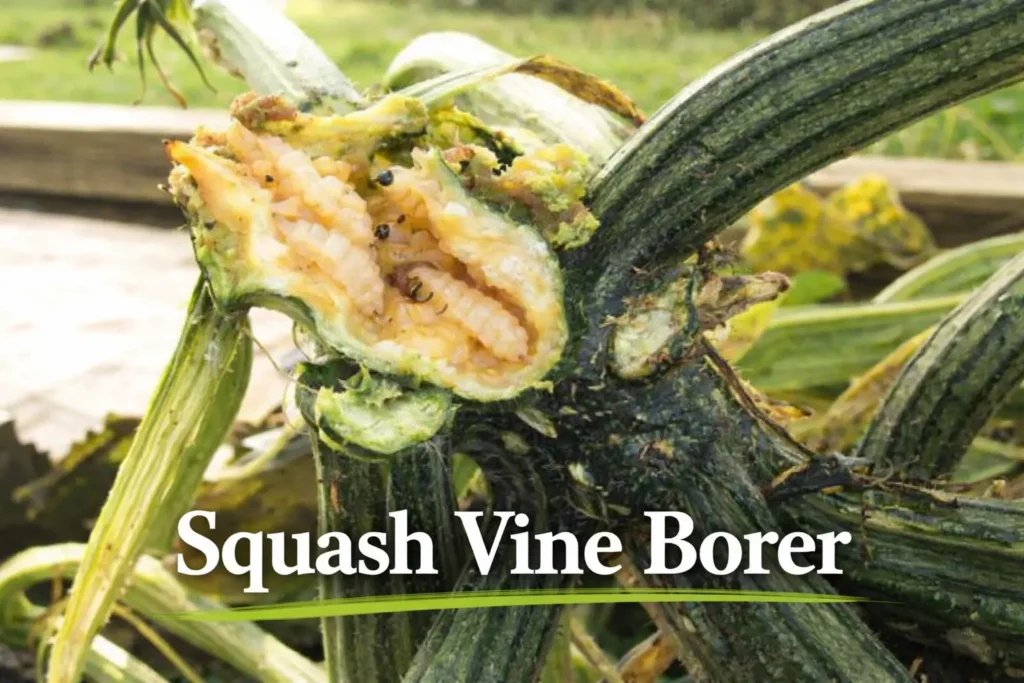
The squash vine borer (larvae of a black and orange moth) burrows into stems, causing sudden wilting. This differs from powdery mildew, which begins as surface infection.
Squash Bugs
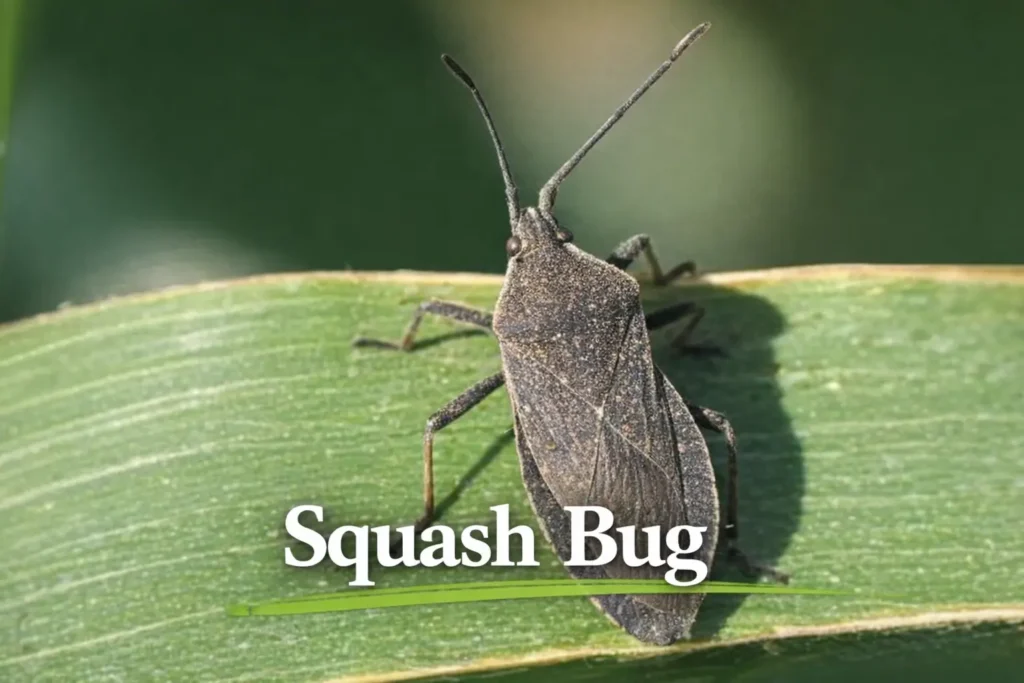
Squash bugs and eggs laid by squash bugs can also stress plants. Removing eggs manually sometimes duck tape works well and can help control infestations.
Identifying the correct issue ensures you apply the right solution.
How to Control Powdery Mildew
Powdery mildew control requires both cultural management and targeted treatments.
Early Treatment Is Best
Early treatment prevents the infection from spreading to other nearby plants. If caught quickly, you can slow it down and get a few more weeks to harvest.
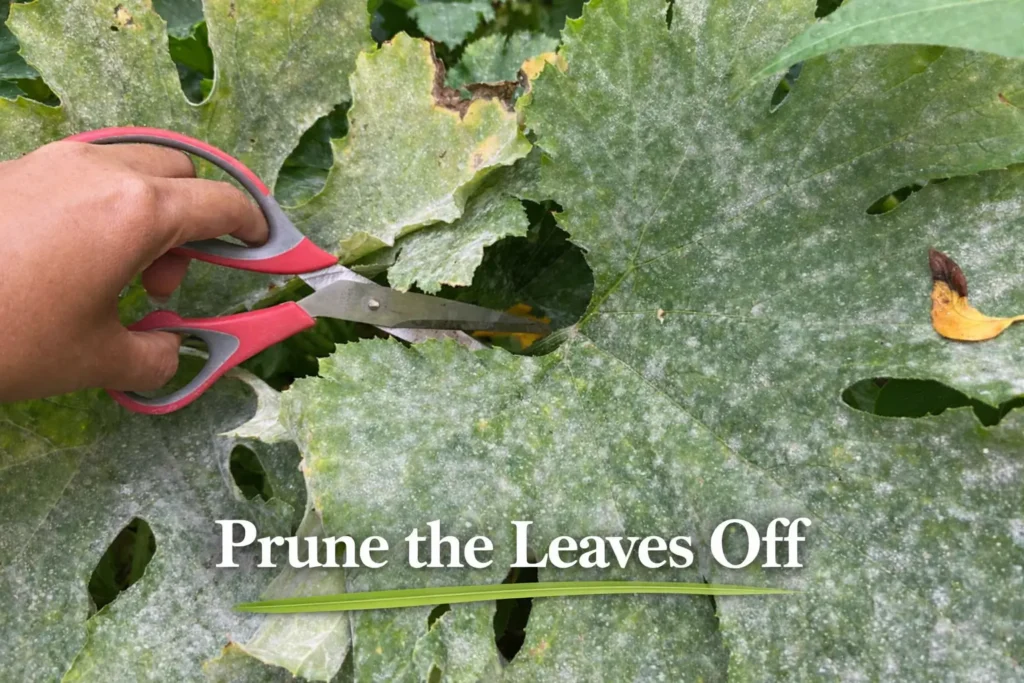
Step 1: Prune the Leaves Off
Carefully cut out affected leaves and stems. Remove the worst infected leaves first.
- Remove affected leaves, stems, buds, fruit if necessary.
- Remove it to prevent spread.
- Discard diseased foliage in the trash.
- Do not compost infected plant material if infection is severe.
Always disinfect pruners or shears after trimming.
Step 2: Improve Airflow
- Thin them out so they are not so crowded.
- Adequate spacing between plants.
- Plants are well spaced.
- Encourage airflow.
- Reduce relative humidity.
- Locate plants in proper sunlight.
When plants get a breeze, fungal multiplication slows.

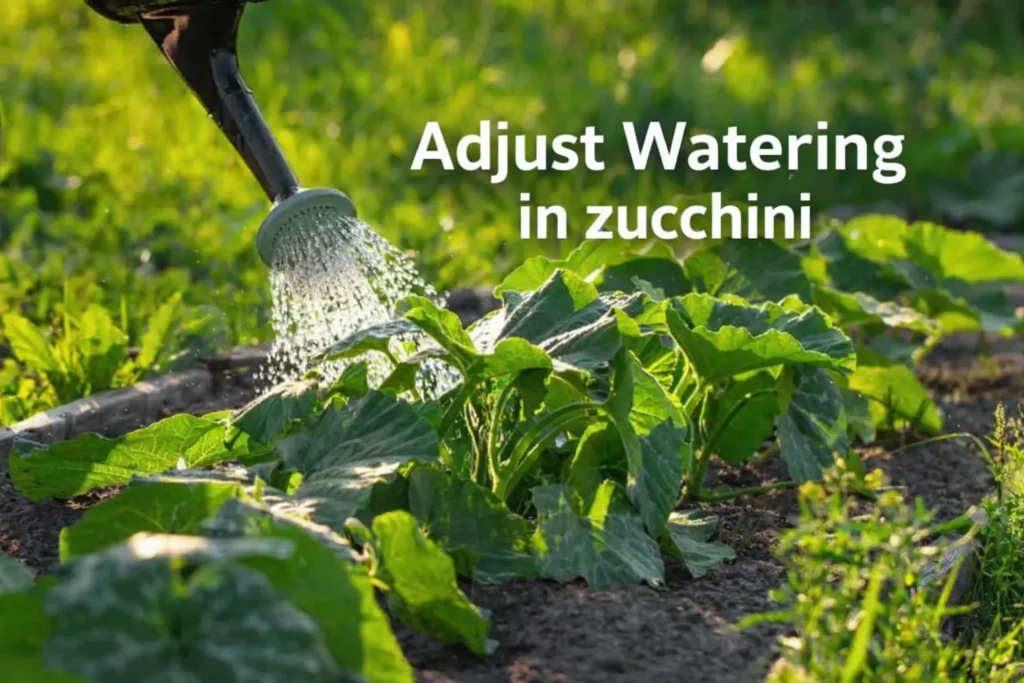
Step 3: Adjust Watering
- Avoid overhead watering.
- Water around the base of the plants and not the leaves.
- Water the soil underneath plants rather than the leaves.
- Don’t water the leaves especially in the evening.
This reduces humidity in the garden and discourages fungal diseases exacerbated by humid conditions.
Organic Treatment Options
There are several organic treatment methods used in organic gardening.
Organic Buttermilk Spray for Powdery Mildew
Buttermilk spray and milk solution are widely recommended garden solutions.
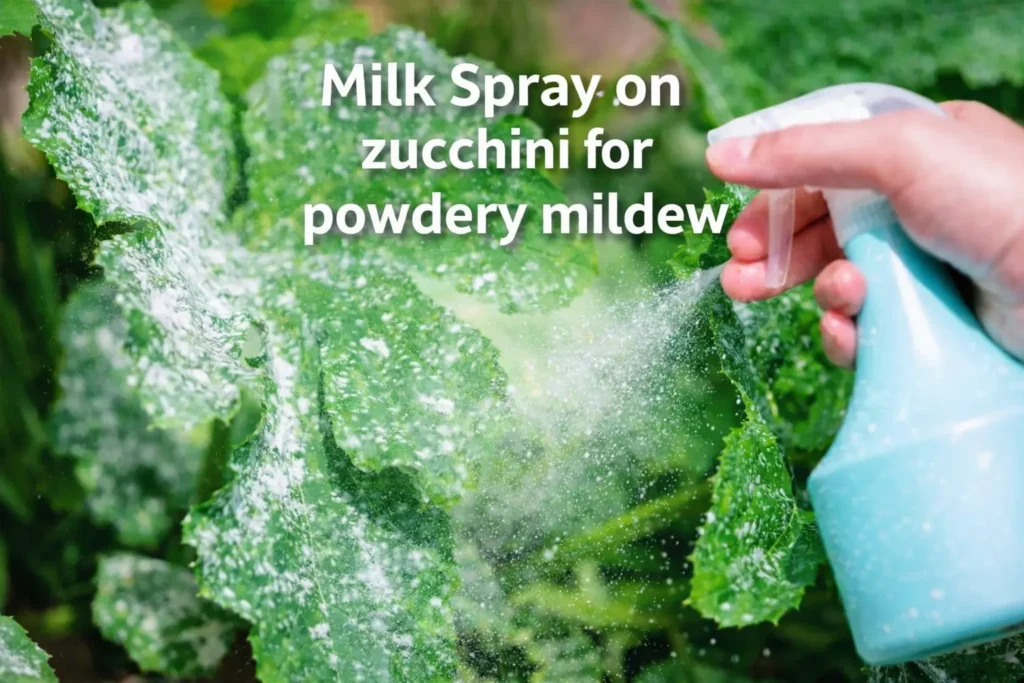
Milk Spray Recipe
Combine 1 part milk with 9 parts water. Use full cream, skinny and powdered milk all have been reported to work. Use immediately.
Spray the entire leaf, top and underneath. Apply once a week. Spray in the morning for best results.
Milk contains compounds such as capsein and proteins that may inhibit fungal growth when exposed to sunlight.
Baking Soda Solution
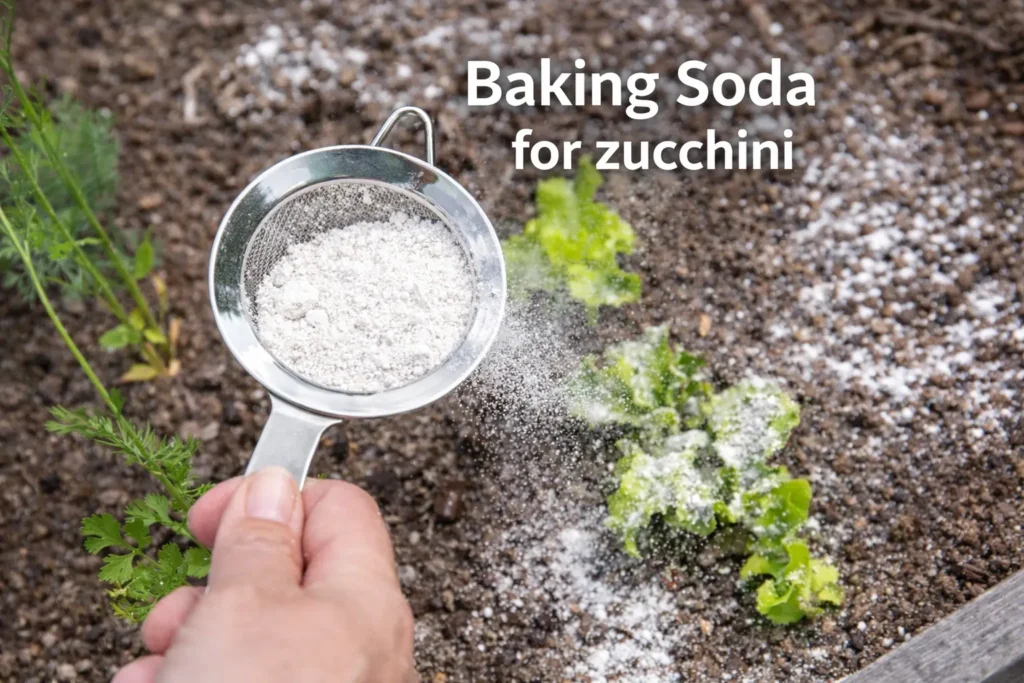
Sodium bicarbonate (aka baking soda) can be used in a baking soda spray. It alters surface pH, creating an unfavorable environment for the fungus.
Apply as a spray mixture and coat all affected areas. Multiple applications may be needed. Continue to spray every 2-3 days if necessary.
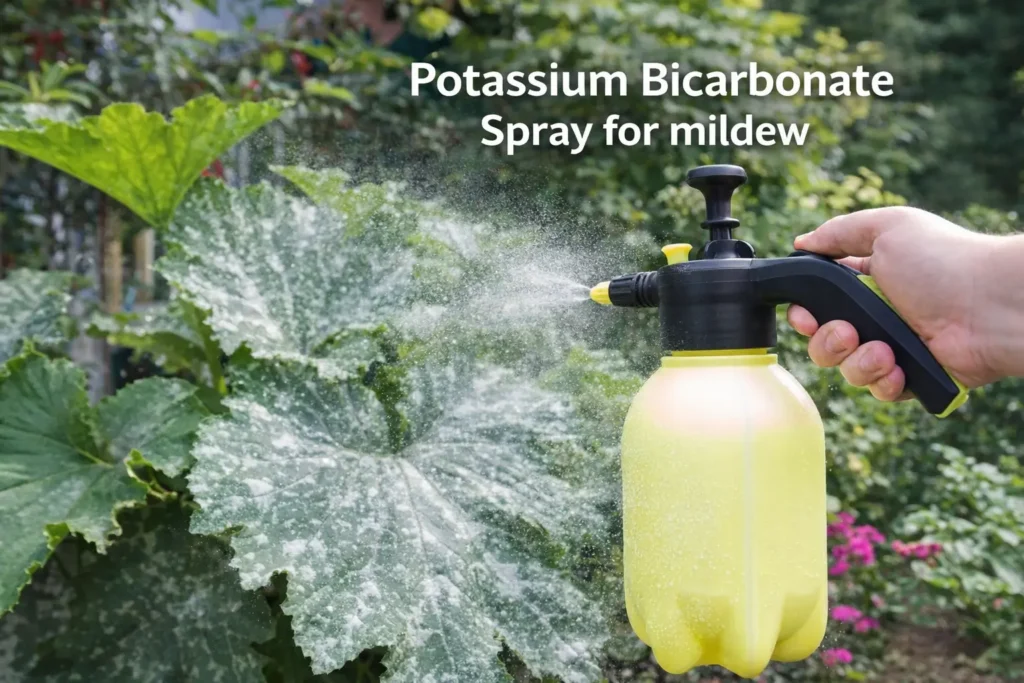
Potassium Bicarbonate Spray
Natural potassium bicarbonate is frequently recommended as an organic fungicide option. It can kill what they contact when sprayed directly on fungal colonies.
Neem Oil
Neem oil is another organic spray used to treat powdery mildew organically. Apply weekly for 3-4 weeks and reapply as needed.

Sulfur and Lime-Sulfur
Organic fungicide with sulfur or lime-sulfur can be effective, but follow label directions carefully, especially during hot dry weather.
Iodine and Vinegar
Some gardeners experiment with water and vinegar solutions. Vinegar (acetic acid) may burn fungal tissue on contact, but use cautiously to avoid leaf damage.
DIY Garden Spray Methods
A simple mixture for home remedy for powdery mildew may include:
- Water plus vinegar spray
- Baking soda solution
- Milk spray
When using any DIY powdery mildew spray:
- Spray the plant generously.
- Coat top and underside of all of the leaves.
- Use a clean spray bottle.
- Apply before its expiration date if using dairy-based mixtures.
If plants are not responding well within 1 week, try one of the other organic treatments.
Plant-Based Extract Treatments
Beyond common kitchen remedies, some gardeners use botanical preparations.
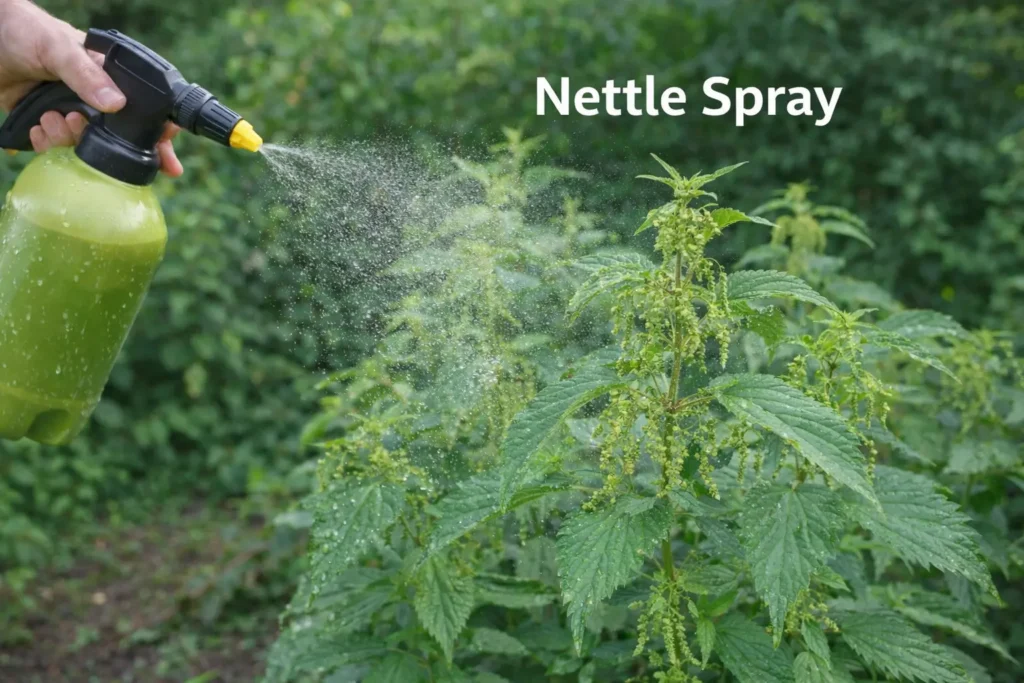
Nettle Spray
Nettle spray acts as a mild fungicide and general tonic, making plants more resistant to diseases and pests. It can be sprayed on leaves or watered around plants.
The botanical species Urtica dioica (stinging nettle) is commonly used.
Herbal Alternatives
Other sprays that have been used to control powdery mildew include:
- Chamomile
- Garlic chives
- Hyssop
- Mustards
- Elder
- White cedar
- Allocasuarina
Effectiveness varies, but they are sometimes used in organic powdery mildew control.
Prevention: Prevention Is Better Than Cure
Long-term prevention reduces recurring problems.
Cultural Practices
- Maintain healthy plants with quality soil and compost.
- Avoid over-fertilizing.
- Thin out existing susceptible plants.
- Remove dead or diseased foliage.
- Treat regularly with an organic fungicide as a preventative measure.
Plant Spacing and Sunlight
Plenty of sunlight and adequate spacing between plants help reduce incidence of powdery mildew.
Resistant Varieties
Choose disease resistant varieties from seed supplier catalogues. Look for varieties with improved disease resistance.
Genetics plays a big part. Some vegetable varieties will be very susceptible; others more resilient.
Zucchini tromboncino appears more resistant compared to spaghetti squash or button squash.
Disposal and Composting Considerations
Once powdery mildew takes hold, sanitation becomes important.
When to Discard
- Remove and destroy infected plant material.
- Place in rubbish or burn where allowed.
- Do not compost infected plant material if heavily infected.
Compost Bin or Worm Farm?
Lightly affected leaves may be acceptable in a compost bin or worm farm if the fungus is a naturally occurring pathogen in the garden and compost temperatures are sufficient.
Evaluate severity before deciding.
Seasonal Patterns and Climate Influence
Powdery mildew is quite common in vegetable patches in autumn.
Warm Seasons
During dry summer conditions combined with humidity, fungal diseases are exacerbated.
Autumn Intensification
Cool autumn weather following warm days often triggers outbreaks.
Geographic Observations
In regions with humid conditions, including places similar to central Victoria or Melbourne, powdery mildew in garden environments may become especially prevalent late in season.
Can Plants Recover From Powdery Mildew?
Yes plants can recover, especially if intervention occurs early.
Factors Affecting Recovery
- Early treatment
- Removal of infected leaves
- Good air circulation
- Resistant plant genetics
- Proper sunlight
If the infection is mild and managed quickly, zucchini plants are still growing and may continue producing fruit.
However, if untreated and advanced, the whole plant may shrivel and decline beyond recovery.
What Kills Powdery Mildew Immediately?
No treatment works instantly in all situations, but contact treatments such as potassium bicarbonate or sulfur-based organic fungicides can kill what they contact upon application.
Milk spray and baking soda solution slow growth rather than eliminating spores instantly. Multiple applications are often necessary.
Immediate control requires:
- Thorough coverage
- Correct dilution
- Reapplication as needed
Is Baking Soda or Vinegar Better for Powdery Mildew?
Baking soda (sodium bicarbonate) is more commonly recommended because it alters leaf surface pH and is less likely to cause leaf burn when properly diluted.
Vinegar (acetic acid) can damage plant tissue if too concentrated. It may be effective as a contact treatment but must be used cautiously.
In most cases, potassium bicarbonate or baking soda spray is preferred over vinegar.
How Do You Treat Powdery Mildew on Zucchini?
A complete treatment plan includes:
- Prune infected foliage.
- Improve airflow and sunlight exposure.
- Avoid overhead watering.
- Apply milk spray or potassium bicarbonate spray.
- Repeat applications every 2-3 days or weekly depending on severity.
- Sanitize tools.
- Monitor new growth.
Early intervention yields the best result.
Frequently Asked Questions
How do you treat powdery mildew on zucchini?
Treat powdery mildew by removing infected leaves, improving air circulation, avoiding overhead watering, and applying organic treatments such as milk spray, baking soda solution, potassium bicarbonate, neem oil, or sulfur-based fungicide. Repeat applications consistently.
What kills powdery mildew immediately?
Contact treatments like potassium bicarbonate or sulfur fungicide can kill what they contact. However, thorough coverage and repeat applications are necessary.
Is baking soda or vinegar better for powdery mildew?
Baking soda is generally safer and more widely recommended. Vinegar may burn leaves if misused.
Can plants recover from powdery mildew?
Yes, especially if caught early. Plants can recover when infected foliage is removed and proper care restores plant strength.
The Conclusion: Building a Long-Term Defense Strategy
Powdery mildew on zucchini is more than a cosmetic problem; it signals that environmental conditions are favoring fungal development. Although this common fungus is rarely fatal at first, it weakens plants, reduces harvest potential, and can spread quickly if ignored.
Effective control requires an integrated approach. Start by improving the environment: provide adequate spacing, ensure good air circulation, plant in proper sunlight, and avoid overhead watering. Thin overcrowded foliage to reduce humidity around leaves.
Next, act early. At the first sign of small white circles or light grey spots, prune infected leaves and dispose of them properly. Disinfect pruners or shears to prevent spreading spores.
Then apply targeted treatments such as milk spray, baking soda solution, potassium bicarbonate, neem oil, sulfur, or lime-sulfur. Spray thoroughly, covering both the top and underside of leaves, and repeat applications as needed.
Finally, plan ahead by choosing resistant varieties, maintaining healthy soil with quality compost, and avoiding excessive nitrogen that encourages susceptible growth.
Powdery mildew cannot be permanently eliminated, but it can be managed effectively. With vigilance, sanitation, airflow, and consistent care, you can keep it in check and protect your zucchini harvest year after year.