

Decorating your home is more than just arranging furniture. The right art can completely transform a room’s mood, style, and personality. Among all forms of decoration, canvas wall art has stood the test of time. It is versatile, affordable, and adds warmth, depth, and character to any space.
Canvas pieces work beautifully in both modern and traditional interiors. Whether you prefer abstract prints, calming landscapes, or minimalist designs, the right canvas can serve as a focal point or subtly enhance your overall décor. Choosing thoughtfully ensures your artwork complements your furniture, color scheme, and layout rather than overwhelming the room.Decorating your home is more than just arranging furniture. The right art can completely transform a room’s mood, style, and personality. Among all forms of decoration, canvas wall art has stood the test of time. It is versatile, affordable, and brings warmth and creativity to any space. But with so many choices available, how do you pick the perfect piece?
Whether you’re looking for canvas wall art ideas for bedroom, kitchen canvas wall art, or a large design for your living room, making the right choice requires some thought. From matching room themes to balancing colors and understanding sizes, every detail matters. The size, placement, and design of your canvas all play a role in creating a balanced and visually appealing space.
This guide will walk you through simple, practical tips to help you choose canvas art that feels intentional, cohesive, and perfectly suited to your home.
Why Choosing the Right Canvas Matters
Canvas wall art isn’t just decoration it’s a reflection of your personality and style. When chosen well, it can:
Make a small room feel bigger by creating the illusion of depth and visual openness, especially when the artwork complements the wall space and lighting.
Add life to empty walls by turning blank areas into focal points that draw attention and anchor the room’s design.
Bring warmth and comfort to personal spaces like bedrooms through calming tones, soft textures, and balanced composition.
Inspire creativity in offices or work areas with motivational themes, abstract canvas prints, or artwork that reflects your professional identity.
Connect design themes across different rooms by reinforcing color palettes, interior décor styles, and overall visual harmony.
Beyond aesthetics, the right canvas size, placement, and orientation play a key role in maintaining proportion and balance. A well-selected canvas print can enhance furniture arrangement, improve wall symmetry, and create a cohesive interior design flow. Whether it’s a single large statement piece, a multi-panel layout, or a carefully curated gallery wall, the artwork should complement the room’s dimensions and purpose.
The wrong choice, however, can make a space feel unbalanced. Too small, and it gets lost on the wall. Too large, and it can overwhelm the room. That’s why learning how to select the right canvas is essential.
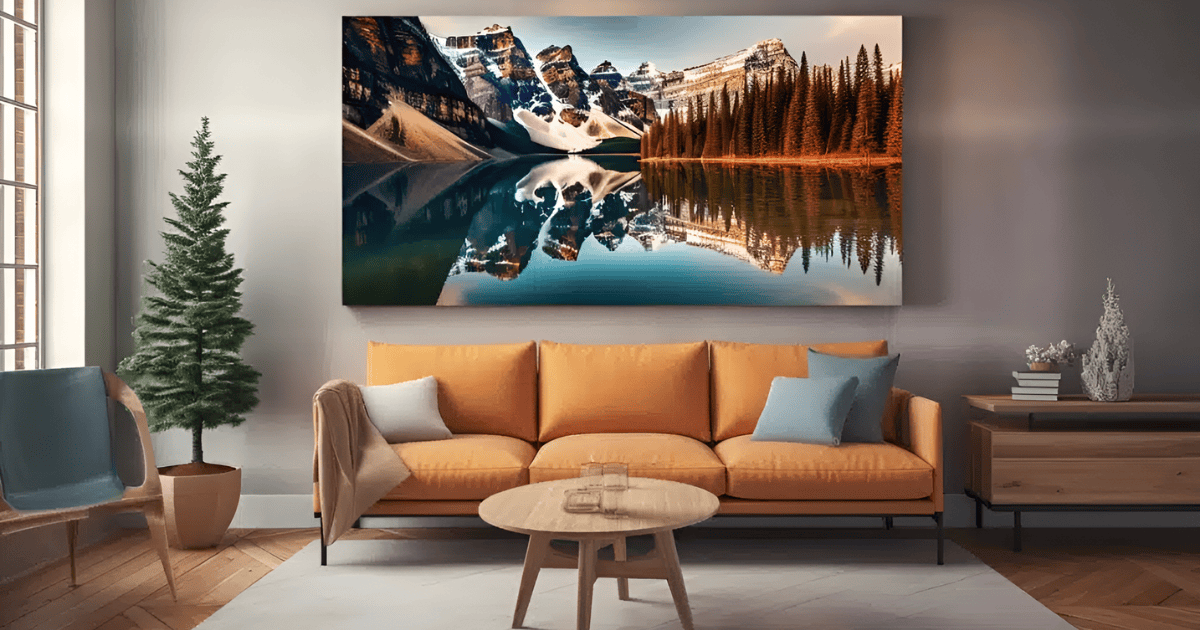
Matching Canvas Wall Art with Room Themes
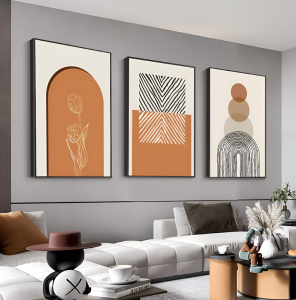
Canvas Wall Art for Living Room
The living room is often the heart of the home. It’s where families gather, guests are welcomed, and memories are created. For this reason, canvas wall art for living room should feel inviting yet stylish.
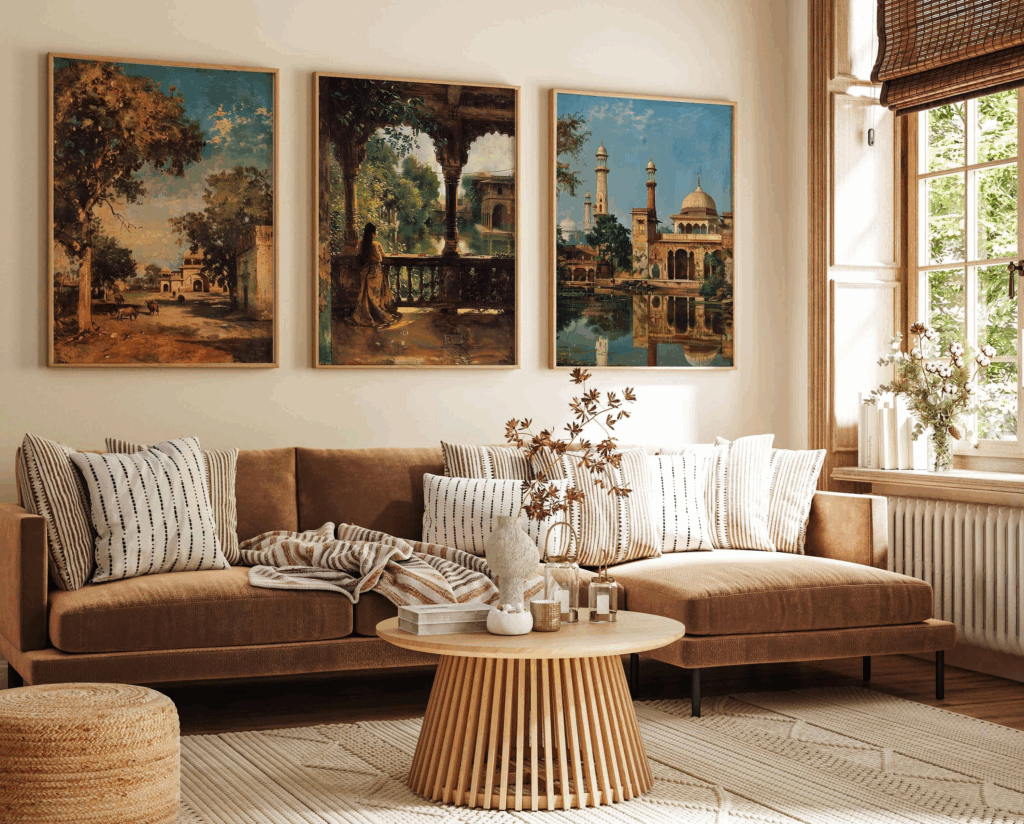
A large statement piece above the sofa works beautifully. It could be a landscape, an abstract design, or even family-inspired art. If your living room has modern furniture, go for sleek and bold designs. If it’s more traditional, landscapes or classic art styles may be a better match.
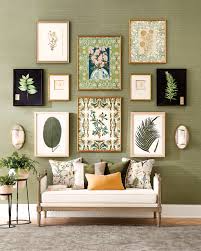
Multiple smaller canvases arranged as a gallery wall also bring character to this space. Think of it as storytelling on your walls.
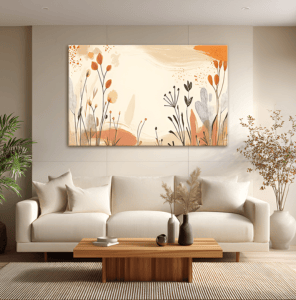
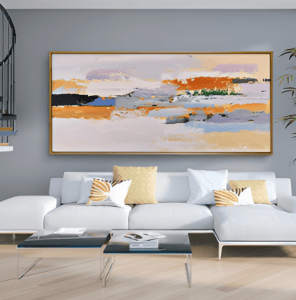
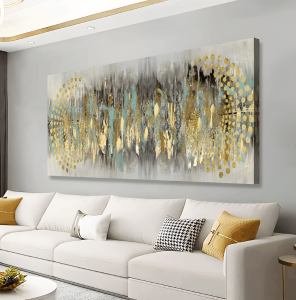
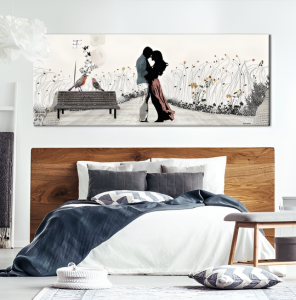
Canvas Wall Art for Bedroom
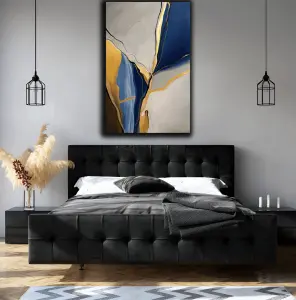
Bedrooms are deeply personal. Here, the goal is comfort and calmness. Wall canvas art for bedroom should reflect peace, warmth, and personal taste.
Soft abstract patterns, calming landscapes, or inspirational quotes work well in this setting. Large pieces above the headboard look elegant, while smaller sets on side walls bring balance. Canvas wall art for bedroom often uses soothing colors blues, grays, creams to create a relaxing atmosphere.
Avoid overly loud or chaotic designs unless you want an energizing vibe. For most people, bedrooms are for rest, so the art should support that purpose.
Canvas Wall Art for Office Spaces
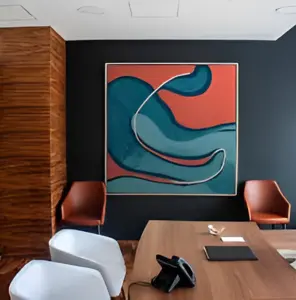
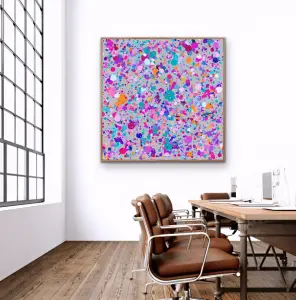
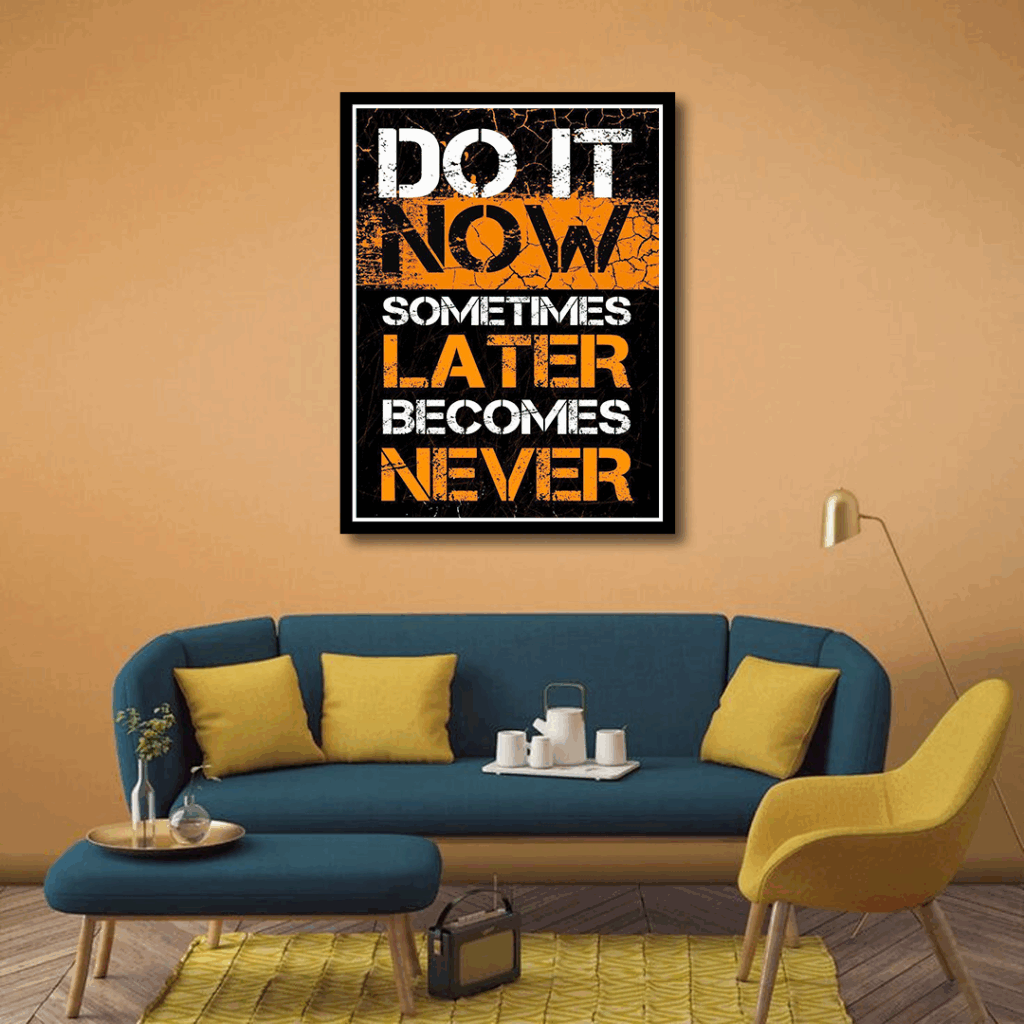
Your office or study needs art that inspires productivity without being distracting. Simple abstract pieces or motivational artwork can enhance focus. Geometric patterns also fit well in modern office setups.
Choose designs that spark creativity but still keep the room professional. Neutral colors or minimal styles are often a safe bet here.
Kitchen Canvas Wall Art Ideas
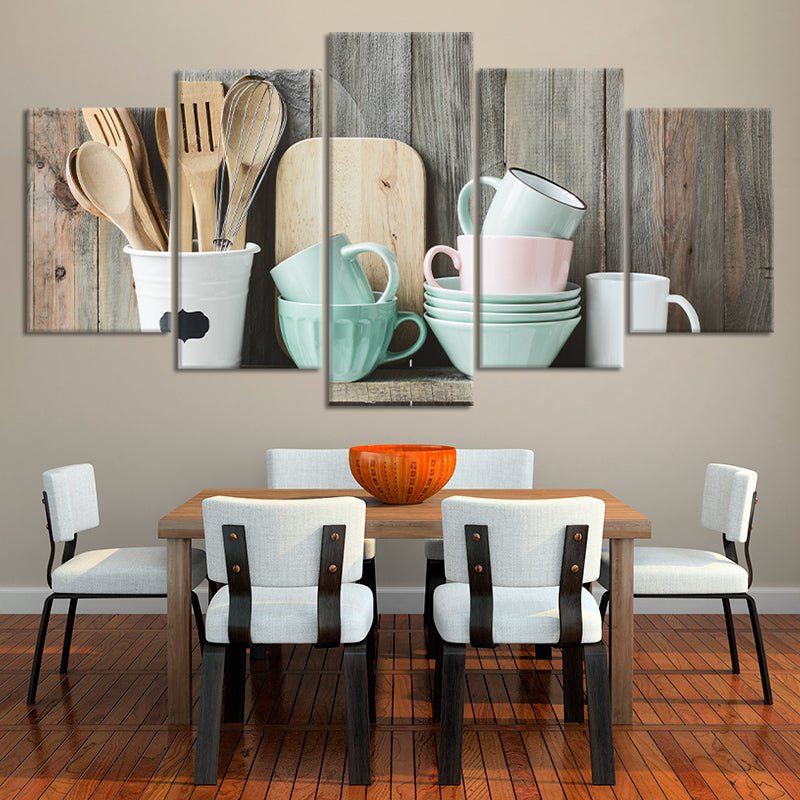
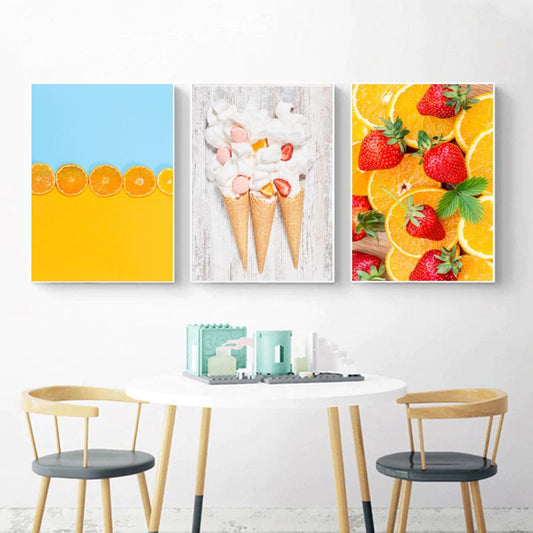
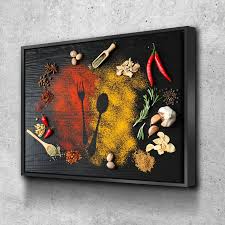
Many people forget that the kitchen is also a place where art belongs. Kitchen canvas wall art can add warmth, humor, and personality. Think of cheerful food-inspired prints, colorful fruits, or vintage coffee posters.
Since kitchens are high-traffic areas, avoid overly delicate designs. Instead, pick bold and playful artwork that makes the space feel lively. Smaller canvas pieces often work better in kitchens because they can fit in tighter wall spaces.
The Role of Color Psychology and Design Balance
Choosing Colors that Work
Colors influence emotions more than we realize. That’s why understanding color psychology is important when selecting canvas art.
- Blue and Green → Calm, relaxing, ideal for bedrooms.
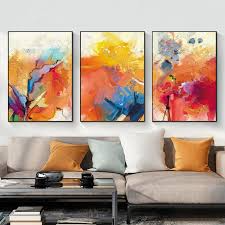
- Red and Orange → Energetic, bold, great for kitchens or dining areas.
- Yellow → Cheerful and bright, works well in living rooms and kitchens.
- Neutral Tones (black, gray, beige) → Elegant and timeless, perfect for modern or minimalist spaces.
When picking canvas wall art for bedroom or living spaces, think about the atmosphere you want to create. A bright orange canvas might be exciting but may not help you sleep at night.
Balancing Colors with Furniture
The canvas you choose should connect with the colors of your walls, curtains, or furniture. A bold piece can stand out as the room’s centerpiece, but it shouldn’t clash. If your walls are painted white or neutral, almost any color will pop. For already colorful rooms, choose art with softer shades to maintain harmony.

Canvas Wall Art Size Guide
One of the biggest mistakes in decorating is choosing the wrong size of art. That’s why a canvas wall art size guide is essential.
Small vs. Large Canvas Wall Art
- Small canvases (under 24 inches) → Perfect for hallways, kitchens, or accent walls. They work well when grouped into a gallery wall.
- Medium canvases (24–36 inches) → Great for bedrooms and offices, offering balance without overpowering.
- Large canvases (over 36 inches) → Ideal for living rooms. A large canvas wall art for living room becomes the focal point, especially when placed above a sofa or fireplace.
Placement Tips
- The center of the canvas should be at eye level for best effect.
- When placing art above furniture, leave 6–12 inches of space between the top of the furniture and the bottom of the canvas.
- For gallery walls, keep consistent spacing (2–3 inches) between each frame to avoid clutter.
Following these tips ensures that the artwork feels like part of the room, not just something added on top.
Standard Canvas Wall Art Sizes (Inches & CM)
Understanding standard canvas sizes helps you visualize what will best suit your space before making a purchase. Canvas prints typically follow common aspect ratios and measurement formats used across the art industry.
Here are some of the most popular canvas wall art sizes:
- 8 × 10 inches (20 × 25 cm) – Ideal for small spaces, shelves, or gallery walls
- 12 × 16 inches (30 × 40 cm) – Great for compact areas or layered displays
- 16 × 20 inches (40 × 50 cm) – A balanced medium size for bedrooms or offices
- 18 × 24 inches (45 × 60 cm) – Works well above desks or sideboards
- 24 × 36 inches (60 × 90 cm) – A popular large statement piece
- 30 × 40 inches (75 × 100 cm) – Ideal for living rooms
- 36 × 48 inches (90 × 120 cm) – Best for large blank walls or feature spaces
Square canvas sizes such as 12×12, 20×20, or 30×30 inches are perfect for symmetrical layouts and modern interiors.
Panoramic canvas formats like 12×36 or 24×48 inches work especially well above sofas and beds.
Understanding Canvas Aspect Ratios
Canvas prints are typically produced in standard aspect ratios. An aspect ratio refers to the proportional relationship between width and height.
Common canvas ratios include:
- 2:3 Ratio – Used for sizes like 24×36
- 3:4 Ratio – Common in photography-based canvases
- 4:5 Ratio – Popular for portrait-oriented artwork
- 1:1 Ratio (Square) – Ideal for modern designs
- Panoramic Ratios (1:2 or wider) – Best for wide walls
Understanding ratios ensures your artwork scales properly without distortion and fits your wall proportionally.
How to Choose the Right Canvas Size for Your Wall
Selecting the correct canvas size involves more than guessing. Follow this structured method:
1. Measure Your Wall Space
Measure both the width and height of your available wall area. Avoid including furniture unless the artwork will hang directly above it.
2. Apply the 60–75% Width Rule
A canvas should generally cover 60–75% of the width of the furniture below it (such as a sofa or bed).
For example:
If your sofa is 84 inches wide, your canvas should ideally be between 50–63 inches wide.
3. Consider Ideal Height Placement
The center of your canvas should typically hang 57–60 inches from the floor, which aligns with standard eye level.
If placing above furniture, leave 6–10 inches between the top of the furniture and the bottom of the canvas.
4. Factor in Ceiling Height
Higher ceilings can accommodate larger or vertically oriented canvas pieces. Rooms with 9–10 foot ceilings can comfortably support oversized artwork.
Canvas Above Furniture – Sizing Guidelines
Hanging canvas art above furniture requires proportion and spacing balance.
- Above Sofa: Choose artwork 60–75% of sofa width
- Above Bed: Canvas should align with bed width, not exceed headboard width
- Above Console Table: Slightly narrower than the table
- Dining Room Walls: Larger vertical or panoramic canvases work well
Avoid artwork that is too small, as it can look disconnected from the furniture beneath it.
Single Panel vs Multi-Panel Canvas Layouts
Canvas art is available in single and multi-panel formats.
Single Panel
Ideal for minimalist spaces and symmetrical placement.
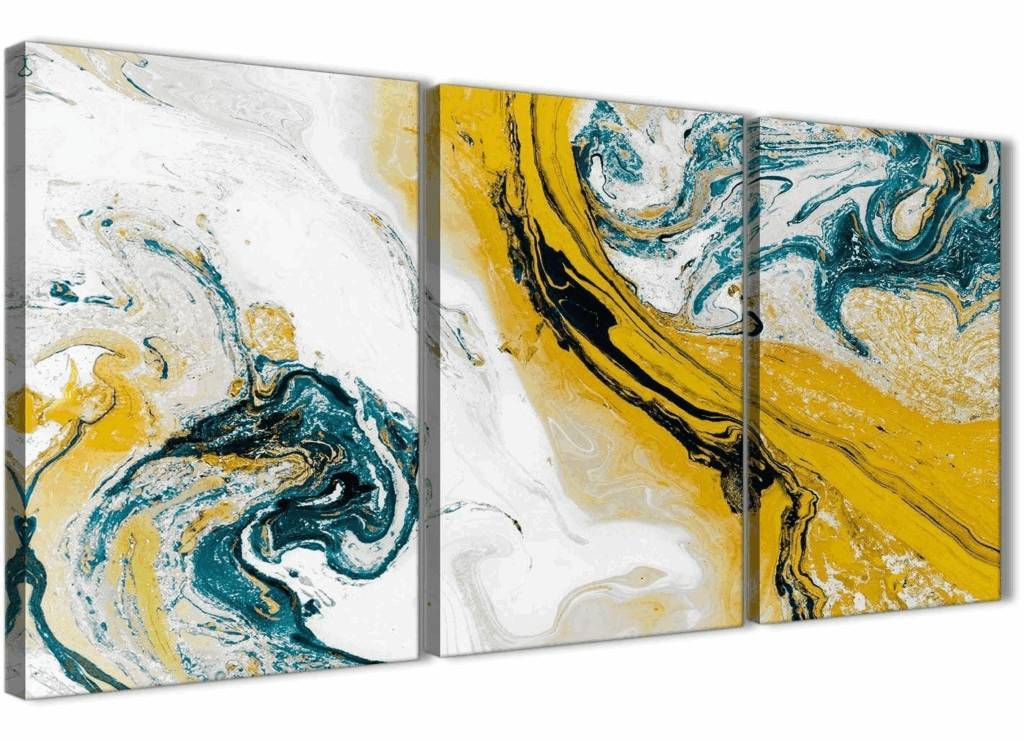
Triptych (3 Panels)
Best for wide walls. Leave 1–2 inches between panels for proper spacing.
Four-Panel Grid
Creates structured balance and works well in contemporary interiors.
Five or Six Panel Layouts
Perfect for dramatic, large-scale statement walls.
Multi-panel canvas art adds depth and dimension to expansive spaces.
Portrait, Landscape, and Square Canvas – Which to Choose?
Orientation influences visual impact.
- Portrait Canvas – Best for narrow walls, hallways, and vertical emphasis
- Landscape Canvas – Perfect for sofas and wide walls
- Square Canvas – Works well in modern, balanced layouts
Choose orientation based on wall shape and furniture layout.
Canvas Depth and Framing Considerations
Canvas prints come in different depths and finishes:
- Standard Stretched Canvas (0.75”) – Subtle profile
- Gallery-Wrapped Canvas (1.25”) – Bold presence
- Box-Framed Canvas – Adds visual weight
Thicker or framed canvases may appear larger due to added depth, so factor this into your spacing calculations.
Room-by-Room Canvas Size Recommendations
Living Room
Large or panoramic canvases above sofas create strong focal points.
Bedroom
Medium to large canvases above the bed maintain balance without overwhelming.
Office
Smaller or medium canvases work well in professional settings.
Hallway
Vertical portrait canvases complement narrow spaces
Common Canvas Sizing Mistakes to Avoid
- Choosing art that is too small for the wall
- Hanging artwork too high
- Ignoring proportion with furniture
- Not accounting for aspect ratio
- Overcrowding walls with multiple small pieces
Avoiding these mistakes ensures your canvas enhances the room rather than disrupting visual harmony.
Quick Canvas Wall Art Size Reference Chart
| Canvas Size | CM Equivalent | Best For |
|---|---|---|
| 16×20 | 40×50 cm | Bedrooms, offices |
| 18×24 | 45×60 cm | Medium walls |
| 24×36 | 60×90 cm | Living rooms |
| 30×40 | 75×100 cm | Feature walls |
| 36×48 | 90×120 cm | Large open spaces |
Frequently Asked Questions
What size canvas art is best for a 3-seater sofa?
Choose artwork between 60–75% of the sofa width.
Is 24×36 considered large wall art?
Yes, it is one of the most popular large-format canvas sizes.
How far above furniture should canvas hang?
Leave 6–10 inches of space.
Can I mix multiple canvas sizes together?
Yes, as long as spacing and alignment remain consistent.
What is a good canvas size for wall art?
A good canvas size depends on the wall space and furniture placement. For small areas, sizes like 16×20 inches work well. For medium walls, 18×24 or 24×36 inches are popular choices. Larger spaces such as living rooms often benefit from 30×40 or 36×48 inches. A helpful rule is to choose artwork that covers about 60–75% of the width of the furniture below it.
What is the 2:3 rule for art?
The 2:3 rule refers to an aspect ratio, meaning the width and height of the artwork are proportional in a 2-to-3 relationship. For example, a 24×36 canvas follows a 2:3 ratio. This ratio is common in photography and canvas prints because it maintains visual balance and prevents distortion when scaling artwork.
What size should wall art be on Canva?
If you are designing wall art on Canva, choose a canvas size that matches standard print dimensions such as 8×10, 16×20, 18×24, or 24×36 inches. Always set your design dimensions according to the final print size and use high resolution (300 DPI) for best print quality. Matching Canva dimensions to standard canvas print sizes ensures accurate scaling and professional results.
Is a 30×40 canvas big?
Yes, a 30×40 inch canvas is considered large wall art. It works especially well as a statement piece above a sofa, bed, or large blank wall. In spacious rooms with higher ceilings, a 30×40 canvas creates strong visual impact without overwhelming the space when properly centered and proportioned.
Practical Tips for Choosing Canvas Art
Think About Your Personality
Your art should reflect who you are. If you love nature, landscapes will always fit. If you enjoy modern design, abstract patterns or bold colors will match your taste.
Mix and Match
Don’t be afraid to experiment. A living room could hold one large piece, while the hallway may feature a gallery of smaller canvases. Bedrooms can combine inspirational quotes with calming patterns.
Quality Matters
Choose high-quality prints on durable canvas material. Good canvas wall art lasts for years without fading and keeps your home looking fresh.
Conclusion
Choosing the perfect canvas art isn’t difficult once you know what to look for. Start with the purpose of the room, then match the art to the theme. Keep color psychology in mind to create the right mood, and always use a canvas wall art size guide to avoid sizing mistakes.
Whether it’s canvas wall art for bedroom, kitchen canvas wall art, or a bold canvas wall art for living room, the right choice will breathe life into your space. Art is not just about filling walls it’s about creating a home that feels complete.