
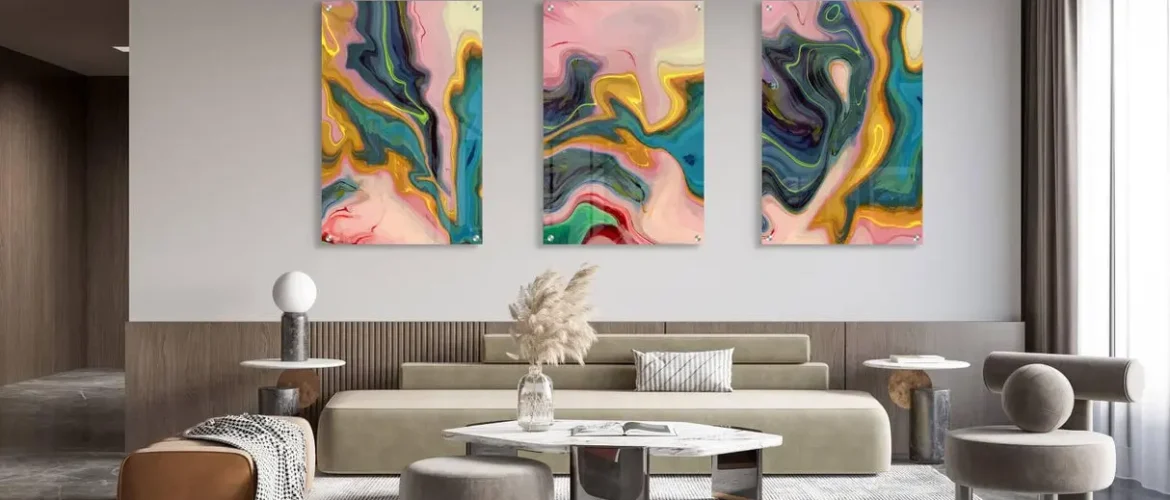
Abstract wall art has a unique way of capturing attention without depicting recognizable objects or scenes. Instead of showing a literal representation of reality, it uses colors, shapes, textures, and movement to evoke emotions and stimulate imagination. From modern homes to art galleries, abstract artwork has become one of the most popular forms of decorative art in contemporary interiors.
The beauty of abstract wall art lies in its ability to communicate meaning without words. Unlike traditional paintings that tell a clear visual story, abstract pieces encourage viewers to interpret the artwork through their own emotions and experiences. This freedom of interpretation is one of the reasons abstract art continues to captivate people around the world.
Artists like Wassily Kandinsky, Piet Mondrian, and Jackson Pollock helped define modern abstract art by experimenting with form, color theory, and expressive techniques. Their work proved that art does not need to imitate reality to be powerful. Instead, abstract compositions can convey energy, rhythm, balance, and deep emotion.
In interior design, abstract wall art is equally influential. Large canvas pieces can transform blank walls into visual focal points, add personality to minimalist spaces, and create a strong artistic atmosphere in modern homes.
In this guide, we explore why abstract wall art fascinates us, how it affects our emotions, and how to choose the perfect abstract artwork for your space.
The Meaning Behind Abstract Wall Art
At first glance, abstract wall art might look like random lines or colorful strokes. But there’s much more to it. Abstract art focuses on expressing feelings rather than showing real-life images. It’s about creativity, imagination, and emotion not perfection.
Each person can see something different in an abstract piece. One person may feel calm looking at blue swirls, while another might sense movement or energy. That’s the beauty of it abstract wall art speaks differently to everyone.
This freedom makes it perfect for home décor because it allows your personality and imagination to shine through.
The Origins of Abstract Art
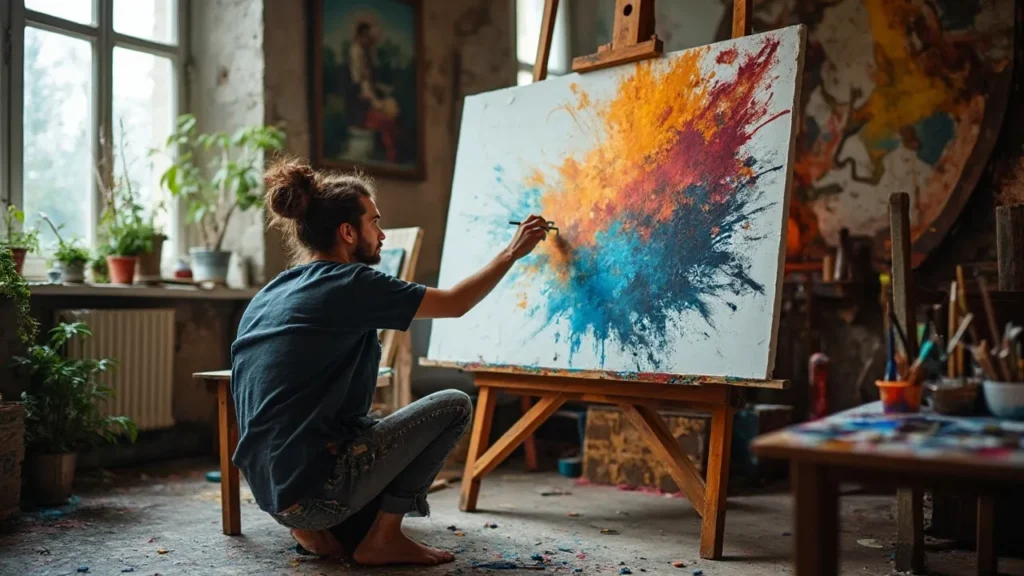
Abstract art began emerging in the early 20th century as artists started moving away from realistic representation. Instead of painting landscapes, portraits, or everyday objects, they experimented with pure visual elements such as line, color, and geometric form. This shift allowed artists to explore emotions, movement, and rhythm in ways that traditional art could not.
One of the pioneers of abstract art, Wassily Kandinsky, believed that color and shape could communicate feelings similar to music. He viewed abstract painting as a visual language capable of expressing inner emotions rather than external reality. His work helped establish the foundation of modern abstract art.
Symbols and Interpretations in Abstract Art
Even though abstract art does not depict recognizable objects, it often carries symbolic meaning. Colors, shapes, and spatial arrangements can represent emotions, ideas, or philosophical concepts. For example, circular forms may symbolize harmony and unity, while sharp geometric shapes can suggest tension or movement.
Because abstract art avoids literal storytelling, each viewer interprets the artwork differently. This open-ended meaning is one of the reasons abstract wall art continues to intrigue audiences across cultures.
How Abstract Art Sparks Imagination
Have you ever stood in front of a painting and found yourself lost in thought? That’s what modern abstract wall art does best. It challenges the viewer to think beyond what’s visible.
- No limits: Abstract art gives your mind room to wander.
- Open interpretation: There’s no right or wrong meaning.
- Emotional connection: It makes you feel something peace, joy, curiosity, or inspiration.
That’s why many modern homes feature abstract canvas wall art it adds depth and meaning to a space while keeping it stylish. It’s not just decoration; it’s a piece of emotion on your wall.
The Role of Ambiguity in Creative Thinking
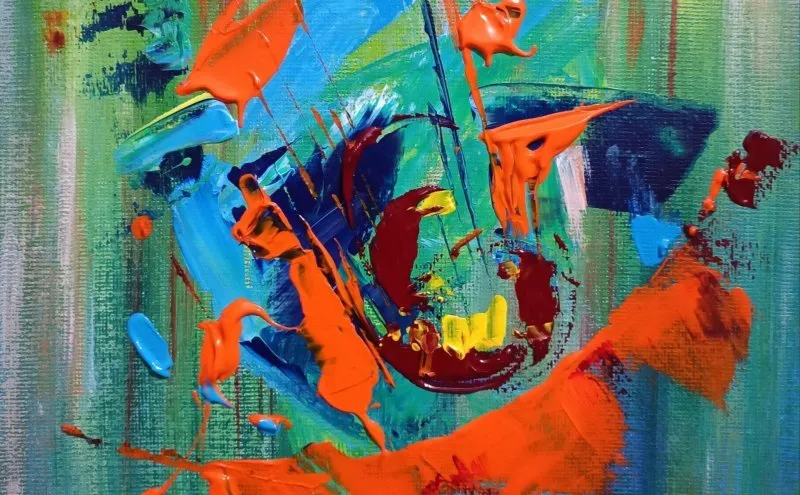
One of the most fascinating aspects of abstract art is its ambiguity. Without a defined subject, the viewer’s mind begins searching for patterns, connections, and possible interpretations. This mental engagement stimulates imagination and encourages creative thinking.
Psychologists often note that ambiguous images activate the brain’s pattern-recognition systems. As viewers attempt to interpret abstract shapes and colors, they project personal experiences and emotions onto the artwork. This process turns abstract art into an interactive experience rather than a passive one.
Abstract Art as Visual Storytelling
Although abstract paintings do not tell a literal story, they often create a sense of movement, rhythm, and emotion that resembles storytelling. Dynamic brush strokes, layered textures, and contrasting colors guide the viewer’s eye across the canvas, creating a visual journey.
Many contemporary artists intentionally design abstract compositions to evoke themes such as nature, urban energy, or emotional transformation.
Why Abstract Wall Art Is Perfect for Modern Homes
In today’s fast-moving world, interior design trends are all about simplicity and emotion. Modern abstract wall art fits this perfectly. It blends easily with minimal, boho, or luxury interiors.
Here’s why homeowners love it:
- Versatility: Works in living rooms, bedrooms, offices, and hallways.
- Timeless appeal: Abstract styles never go out of fashion.
- Balance: Combines color, shape, and emotion to bring harmony into your space.
When paired with soft lighting or neutral furniture, even a single piece of abstract wall art can make your home feel modern, calm, and sophisticated.
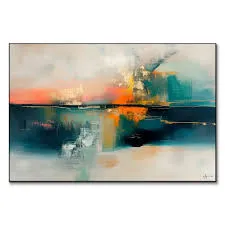
Abstract Art and Minimalist Interior Design
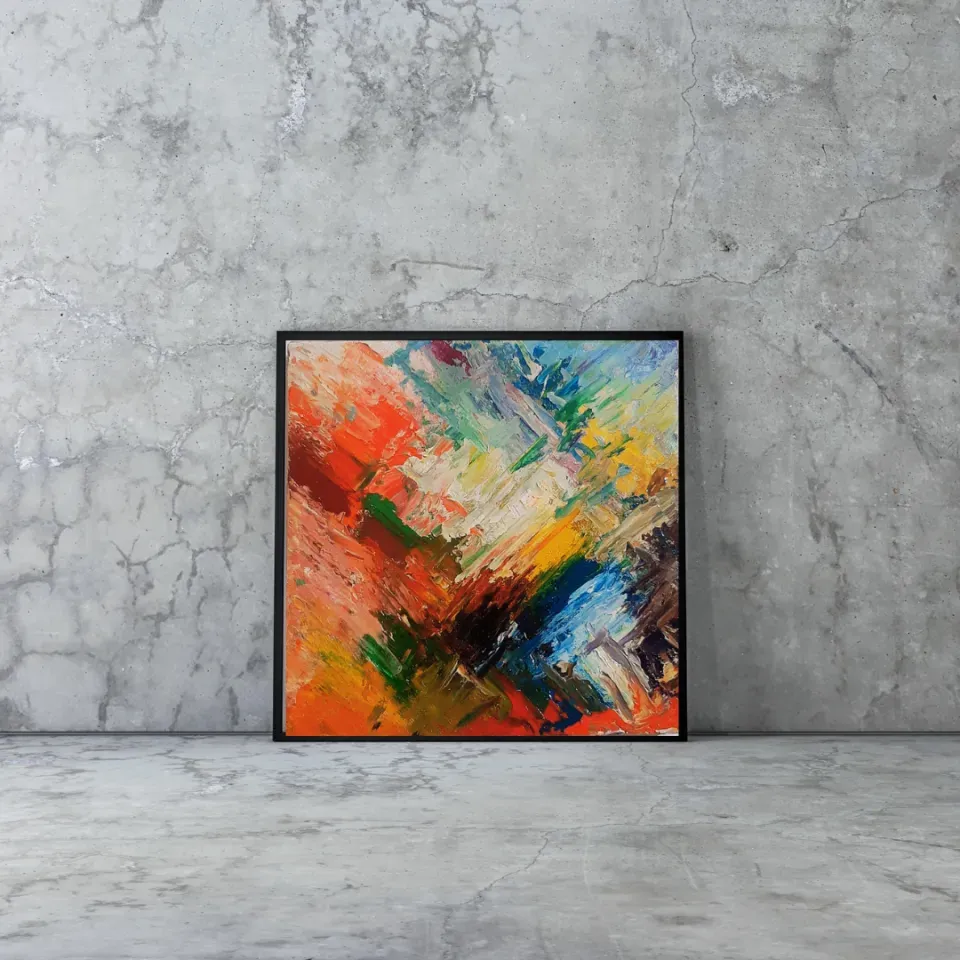
Modern homes often emphasize clean lines, neutral color palettes, and open spaces. Abstract wall art complements this design style perfectly because it introduces color and personality without overwhelming the room with detailed imagery.
A single abstract painting can become the focal point of a minimalist space, adding visual depth and artistic character to otherwise simple interiors.
Creating a Focal Point in Interior Design
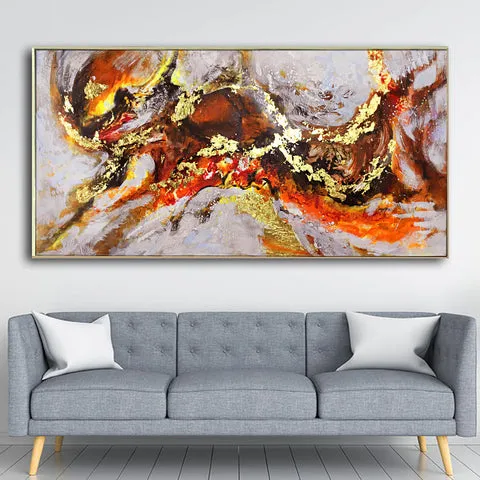
Interior designers frequently use abstract artwork to establish a focal point within a room. Large abstract pieces draw attention immediately and help anchor the overall design layout. When placed strategically above a sofa, bed, or fireplace, abstract art can define the visual balance of the space.
Large Abstract Wall Art: Making a Bold Statement
Sometimes, bigger really is better. Large abstract wall art can completely transform a space. Imagine a wide, colorful painting above your sofa or bed it immediately becomes the room’s centerpiece.
Here’s how large abstract wall art makes an impact:
- It draws attention and sets the mood.
- It adds scale and balance to empty walls.
- It reflects your personality through colors and patterns.
If your room feels empty or lacks character, go for large abstract wall art for living room. It not only fills the wall space but also adds warmth and creativity.
Why Oversized Abstract Art Works So Well
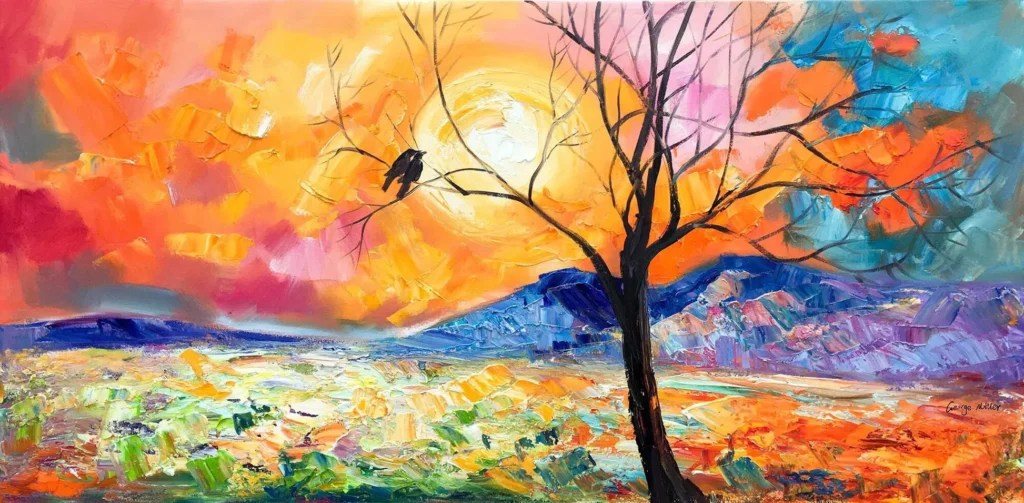
Large abstract wall art has a dramatic impact on interior spaces because it commands attention instantly. In rooms with high ceilings or wide walls, oversized paintings prevent the space from feeling empty or unbalanced.
Bold color compositions and sweeping brush strokes become more powerful when displayed at a larger scale.
Abstract Canvas Wall Art: Texture Meets Emotion
When abstract art meets canvas, something magical happens. Abstract canvas wall art brings texture, depth, and life to your walls. Unlike posters or digital prints, canvas adds a tactile element it feels real and artistic.
- Canvas brings art to life: The subtle texture of the surface enhances every brushstroke.
- Durable and lasting: Canvas art doesn’t fade easily and stays beautiful for years.
- Versatile display: Whether framed or frameless, it suits all décor styles.
For modern homes, canvas pieces are often the best way to showcase abstract wall art, especially if you love the look of hand-painted or printed artworks with rich color and depth.
The Importance of Texture in Abstract Paintings
Texture plays an important role in abstract canvas art. Many artists use thick acrylic paint, palette knives, or mixed media techniques to build layers on the canvas. These textures create depth and dimension that cannot be achieved with flat prints.
When light hits textured paint surfaces, subtle shadows and highlights appear, giving the artwork a dynamic and almost sculptural quality.
Emotional Power of Abstract Wall Art
Abstract art is deeply emotional. Without clear images or subjects, it connects through feeling. A splash of red may express passion, while shades of blue can bring calmness.
This emotional language is why people choose modern abstract wall art to decorate their favorite spaces. It sets the atmosphere bright colors can energize a room, while soft tones can make it peaceful.
Whether it’s large abstract wall art for living room or a smaller piece in your hallway, each artwork tells a silent story that adds soul to your home.
How Color Psychology Influences Emotion
Color is one of the most powerful tools used in abstract art. Different colors naturally trigger different emotional responses. Warm tones such as red, orange, and yellow often evoke energy, excitement, and passion. Cooler tones like blue and green tend to create feelings of calmness and relaxation.
Abstract artists carefully combine these colors to shape the viewer’s emotional experience.
How to Choose Abstract Wall Art for Your Space
Picking the right abstract wall art can feel challenging because there are so many styles and colors. But with a few simple tips, you can choose the perfect piece.
- Match the mood:
- For a relaxing bedroom go with calm blues, whites, or soft patterns.
- For a lively living room choose bold, colorful abstract canvas wall art.
- Balance size and space:
- Large walls look great with large abstract wall art.
- Smaller rooms benefit from medium or small pieces to avoid crowding.
- Follow your heart:
- Abstract art is emotional pick something that truly speaks to you.
Remember, there’s no rulebook. What matters most is how the art makes you feel.
Consider Color Harmony
When selecting abstract wall art, it is important to consider how the colors in the artwork interact with the existing color palette of the room. Artwork that shares tones with furniture, rugs, or decorative accents can create a cohesive and balanced look.
Alternatively, contrasting colors can be used to introduce visual excitement and make the artwork stand out.
Choosing the Right Size and Placement
The size of the artwork should correspond with the scale of the wall and surrounding furniture. Large walls often require oversized artwork to maintain visual balance, while smaller spaces may benefit from medium-sized pieces or curated gallery arrangements.
Why Abstract Wall Art Is Timeless
Unlike many trends that fade, abstract wall art has remained popular for over a century. It continues to evolve with new colors, designs, and emotions yet its essence stays the same.
Here’s why it never gets old:
- It’s flexible: Works with every design trend modern, vintage, rustic, or minimalist.
- It’s personal: No two people interpret it the same way.
- It’s emotional: It creates an instant connection without using words.
That’s what makes modern abstract wall art timeless it grows with you and your space, always keeping your home stylish and meaningful.
The Influence of Abstract Art on Contemporary Design
Abstract art has remained influential for more than a century because it constantly evolves. From early modernist experiments to contemporary digital abstract art, the style continues to adapt to changing artistic trends.
Its flexibility allows it to blend seamlessly with different design movements, including modernism, minimalism, and contemporary interior design.
Decorating Tips: Making the Most of Abstract Art
Want to highlight your abstract canvas wall art beautifully? Try these simple tricks:
- Use neutral walls so the colors in your artwork pop.
- Pair multiple pieces with matching tones to create harmony.
- Light it right soft lighting enhances texture and emotion.
- Mix materials combine large abstract wall art with mirrors or metal accents for a layered look.
With a little creativity, even one abstract piece can become the centerpiece of your entire décor.
Lighting and Framing Techniques
Proper lighting can dramatically enhance the visual impact of abstract artwork. Directional lighting such as track lights or picture lights highlights texture and color variations, making the artwork appear more dynamic.
Framing also plays a significant role in presentation. Minimal frames work well with modern abstract art, while floating frames can add a gallery-style aesthetic.
What Abstract Art Says About You
Your choice of abstract wall art often reflects your personality. Bright, bold patterns may show confidence and energy, while subtle tones suggest calm and balance.
In offices or creative studios, modern abstract wall art can boost focus and imagination. In homes, it adds warmth and individuality. Whatever you choose, it silently tells guests what kind of atmosphere you love.
Why We’re Drawn to Abstract Art
So, why does abstract wall art captivate us so much? Because it’s emotional, open, and full of imagination. It lets us dream and connect without a single word.
It reminds us that beauty isn’t always about perfection. Sometimes, it’s in the swirl of colors, the uneven lines, or the story only your heart understands.
Whether you hang large abstract wall art for living room or a small piece in your corner, each painting carries a universe within it and that’s what makes abstract art truly timeless.
Famous Abstract Artists Who Shaped Modern Art
Many influential artists helped shape the development of abstract art and its impact on modern culture.
Wassily Kandinsky is widely considered one of the first artists to create purely abstract paintings. His theories about color and emotion transformed the way people understood visual art.
Piet Mondrian introduced geometric abstraction using grids and primary colors, creating a highly recognizable style associated with modern design.
Jackson Pollock, a key figure in the Abstract Expressionism movement, revolutionized painting through his drip technique, emphasizing spontaneity and movement.
FAQs
Why is abstract art beautiful?
Abstract art is beautiful because it expresses emotion through colors, shapes, and movement rather than realistic imagery. This freedom allows viewers to interpret the artwork in their own unique way. The balance of color, texture, and composition creates visual harmony that many people find deeply engaging.
Why is art so captivating?
Art is captivating because it stimulates both emotional and intellectual responses. Visual elements like color, contrast, and rhythm naturally attract the human brain. When people observe artwork, their minds interpret patterns, emotions, and meaning, making the experience immersive and thought-provoking.
How to praise abstract art?
To praise abstract art, focus on its composition, color harmony, texture, and emotional impact. You can appreciate how the artist uses shapes, movement, or color contrast to convey feeling or energy. Describing how the artwork makes you feel is often the most meaningful way to appreciate abstract pieces.
What does the brain tell us about abstract art?
Research in neuroscience suggests that abstract art activates areas of the brain related to creativity and interpretation. Because abstract images are open to multiple meanings, the brain actively searches for patterns and connections. This mental engagement is one reason abstract art can feel stimulating and intriguing.
Final Thoughts
Abstract art is not just decoration; it’s expression. From abstract canvas wall art to large abstract wall art, each piece adds meaning, color, and emotion to your home. It’s flexible, elegant, and always inspiring.
Abstract wall art continues to captivate audiences because it offers a unique blend of emotional expression, creative freedom, and visual beauty. Its ability to communicate ideas without relying on recognizable imagery allows viewers to interpret the artwork through their own personal experiences.
Whether used as a bold statement piece or a subtle decorative element, abstract art has the power to transform interior spaces and spark meaningful conversations.
So next time you choose wall décor, pick an artwork that speaks to your soul one that reflects who you are and what you feel. That’s the real magic behind the beauty of abstract wall art.