
How to Transplant a Plant (Clear Answer First)
To transplant a plant successfully, you need to protect the roots, move the plant at the right time, prepare the new soil properly, and reduce stress before and after transplanting. Most plants die after transplanting not because of the move itself, but because roots are damaged, soil conditions change too suddenly, or watering is done incorrectly.
Learning how to transplant a plant the right way allows plants to recover quickly, establish strong roots, and continue growing without long-term damage. Whether you are transplanting seedlings after germination or moving a mature plant, the same principles apply.
Why Transplanting Plants Requires Care
Transplanting interrupts a plant’s root system. Roots are responsible for absorbing water, nutrients, and oxygen. When roots are disturbed or broken, plants struggle to support their leaves and stems.
Beginner gardeners often underestimate how sensitive roots are. Understanding this sensitivity is the first step toward learning how to transplant plants without killing them.
Understanding Plant Roots Before Transplanting
Roots anchor the plant and act as its lifeline. Fine feeder roots are especially delicate and easily damaged. These roots are often invisible but play the biggest role in water absorption.
When learning how to transplant a plant, protecting these fine roots matters more than keeping the soil neat or the plant upright during the move.
When to Transplant Plants for Best Results
Timing plays a major role in transplant success.
The best time to transplant plants is when temperatures are mild and sunlight is not intense. Early morning or late afternoon reduces stress. Cloudy days are ideal because plants lose less moisture.
Avoid transplanting during extreme heat or cold. Stress from weather combined with root disturbance increases the risk of plant shock from transplant.
How to Transplant Seedlings Safely
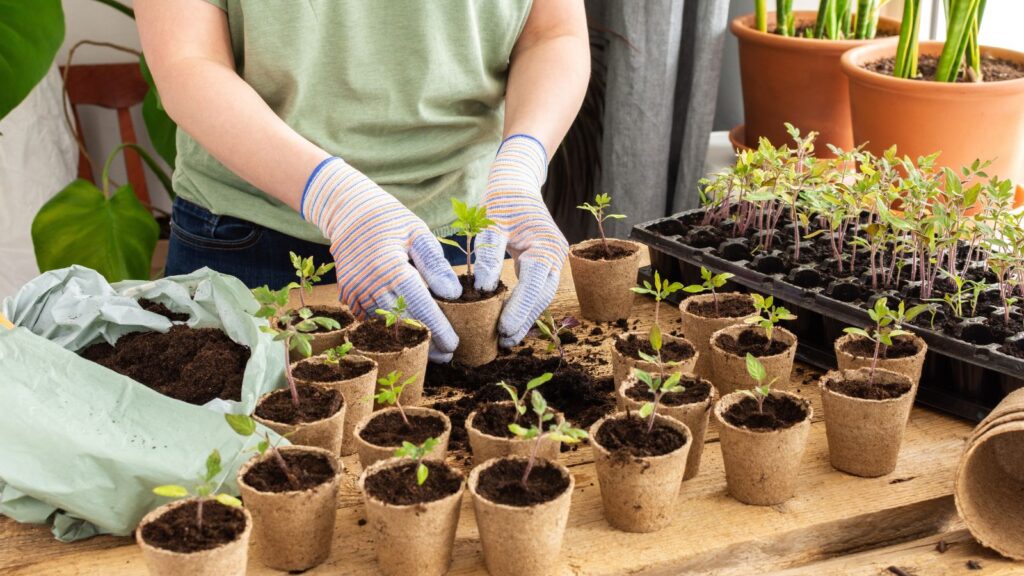
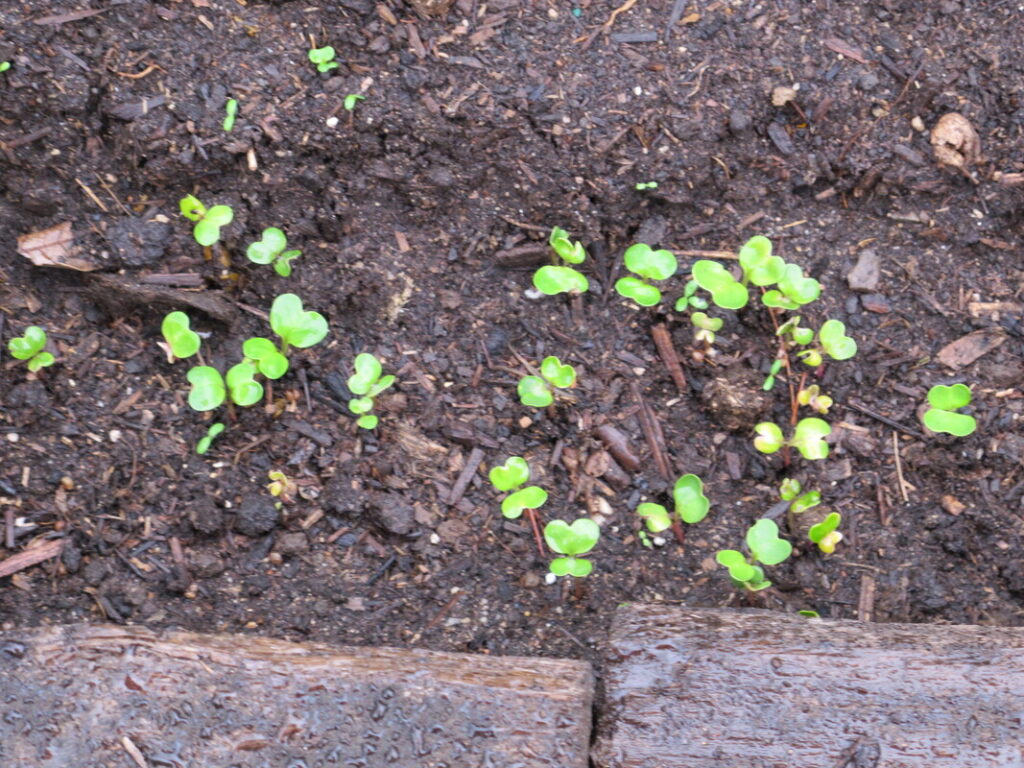
Seedlings are more fragile than mature plants. Learning how to transplant seedlings requires extra care because young roots are thin and easily damaged.
How to Transplant Seedlings After Germination
Seedlings should be transplanted only after they develop a strong root system and at least a few true leaves. Moving them too early increases transplant shock.
Moist soil before transplanting helps roots stay intact. Dry soil crumbles, exposing roots to air and damage.
Preparing the New Planting Area Before Transplanting
Transplanting should never be rushed. The new planting hole or container must be ready before removing the plant.
Soil should be loose, well-draining, and slightly moist. Preparing the area first reduces the time roots are exposed and helps plants settle quickly.
Good preparation is a key step in learning how to transplant a plant successfully.
How to Remove a Plant From a Pot Without Damaging Roots
Removing a plant from a pot incorrectly is a common beginner mistake.
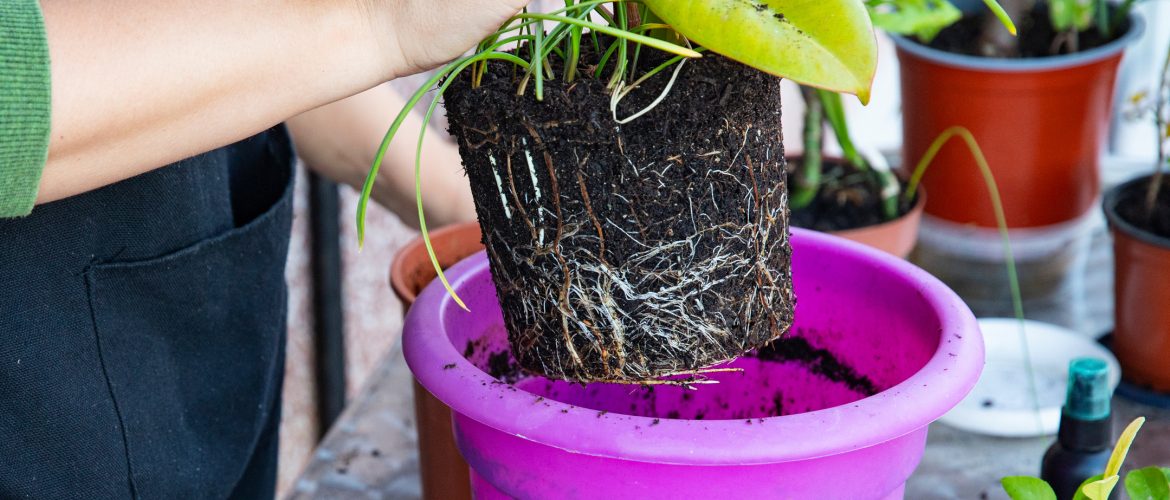
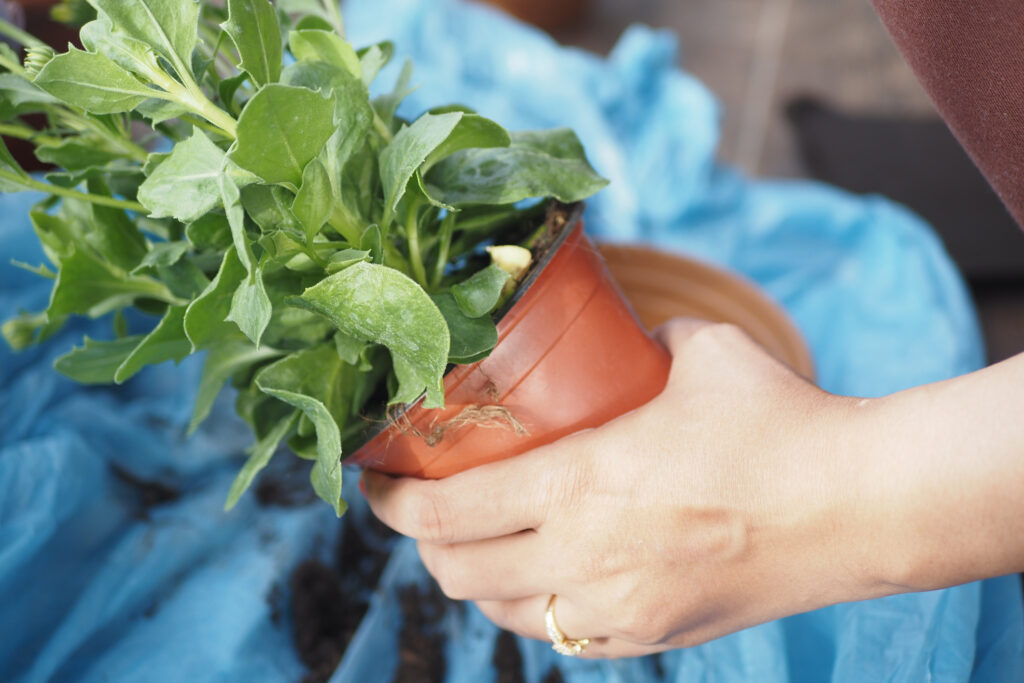
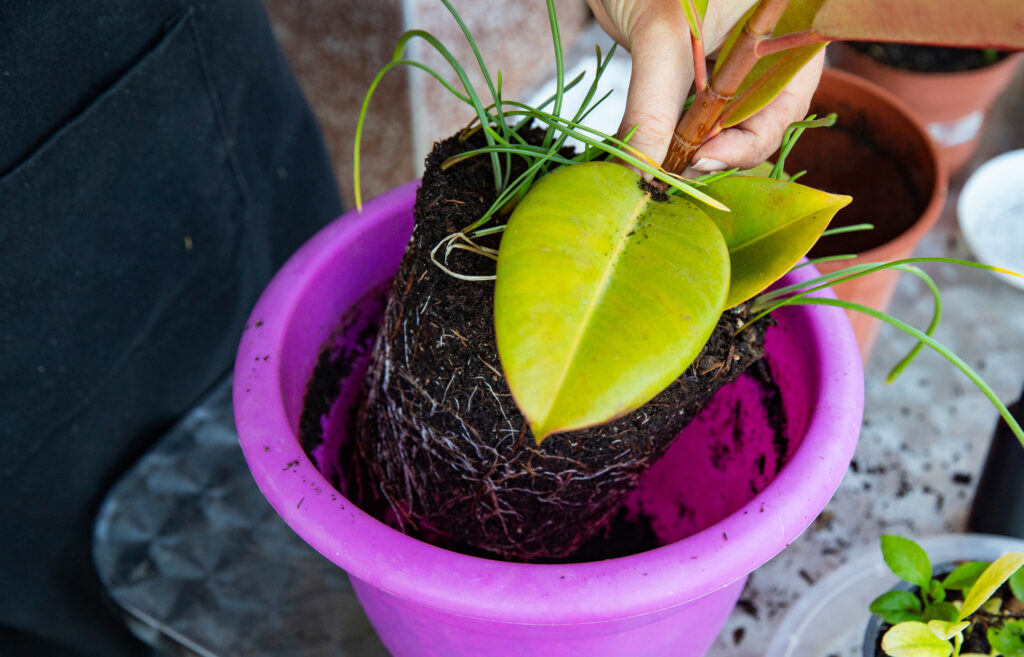
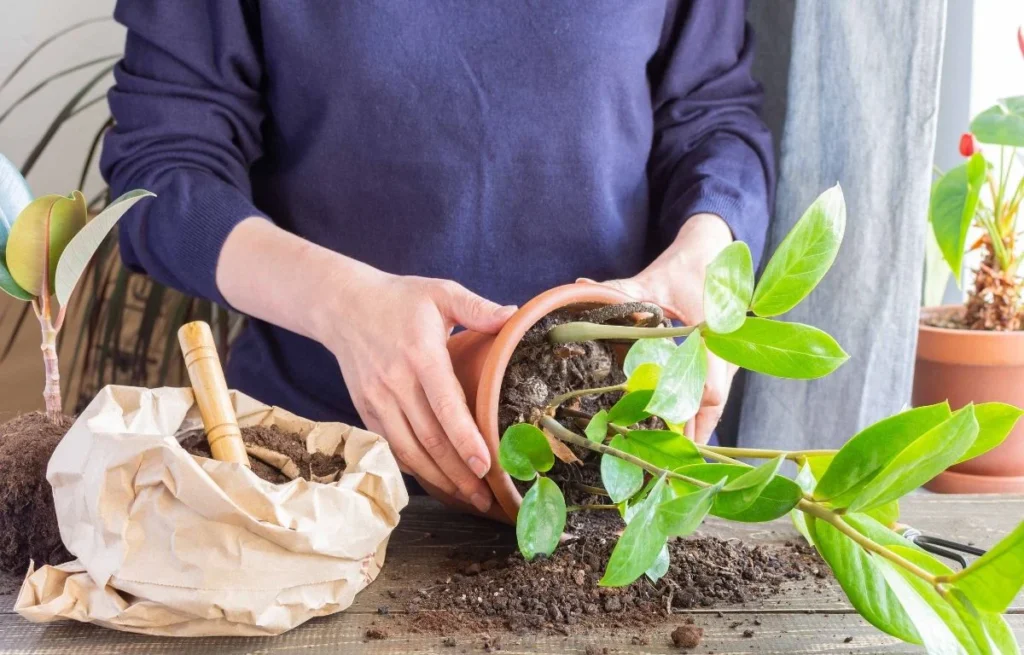
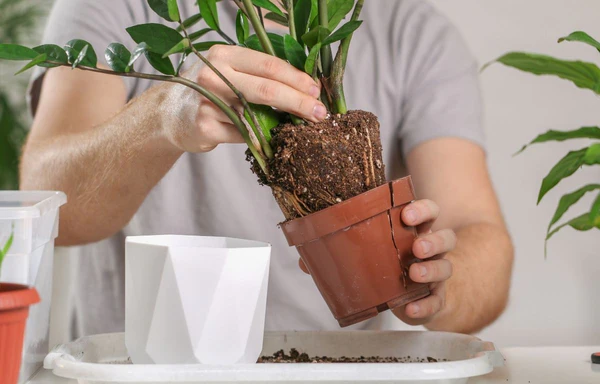
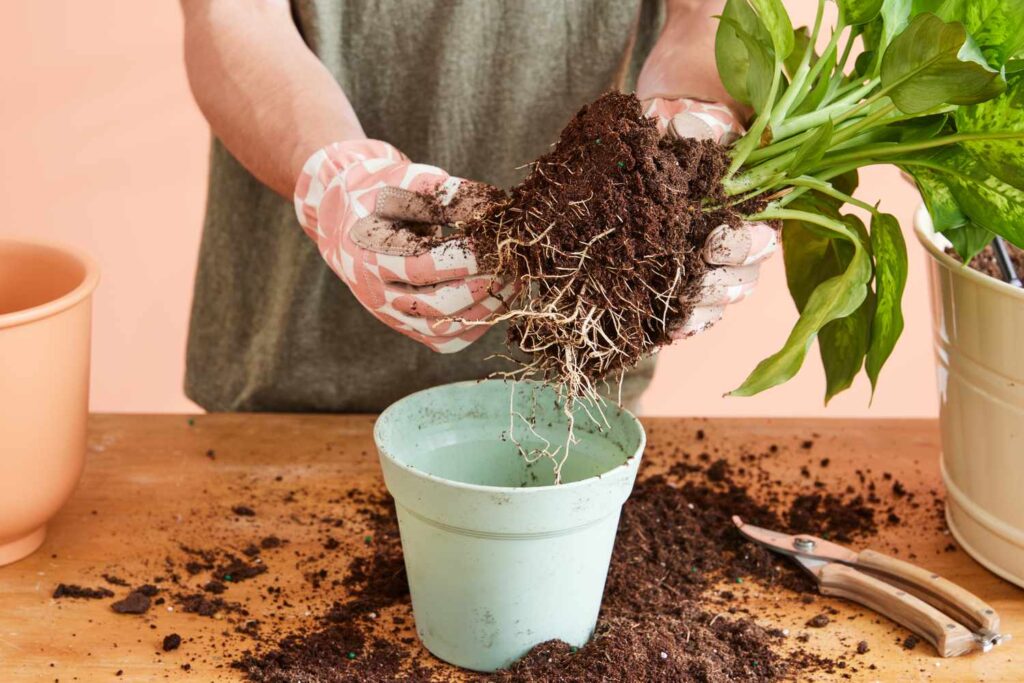
To remove a plant safely, gently loosen the soil around the edges. Turning the pot sideways and supporting the base of the plant helps the root ball slide out naturally. Pulling the plant by the stem can cause serious root damage.
If roots are tightly bound, gently loosening them encourages outward growth after transplanting.

How to Transplant a Plant Step by Step
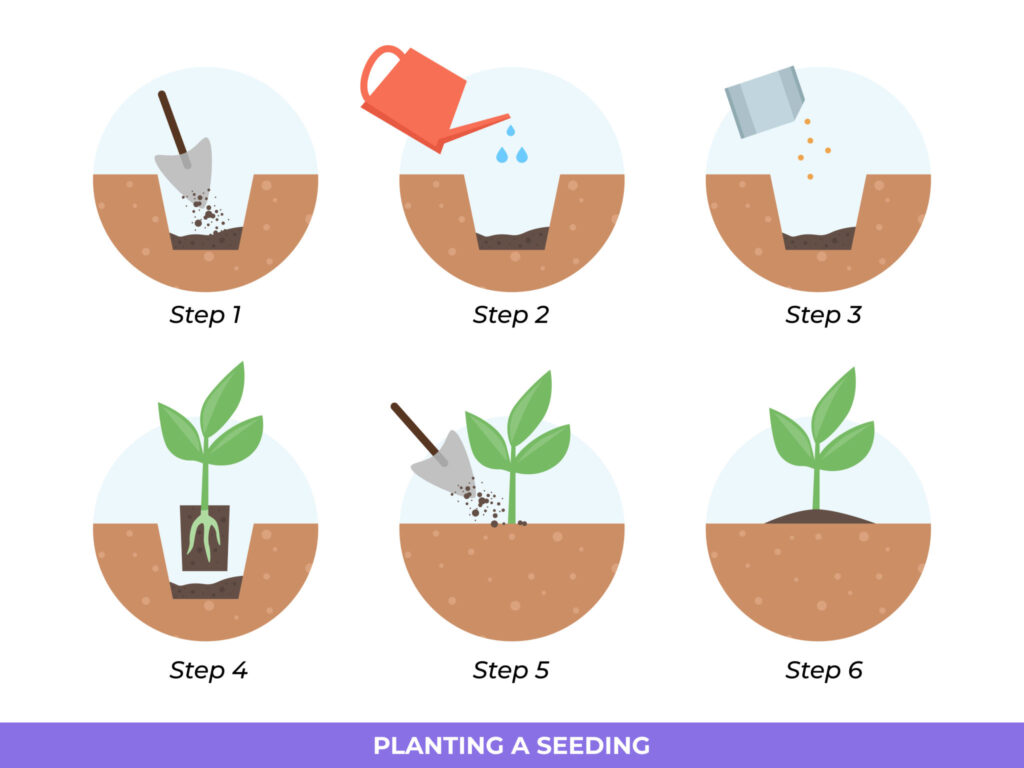
Step 1: Water the Plant Before Transplanting
Watering before transplanting helps soil stay intact around roots. This reduces breakage and shock.
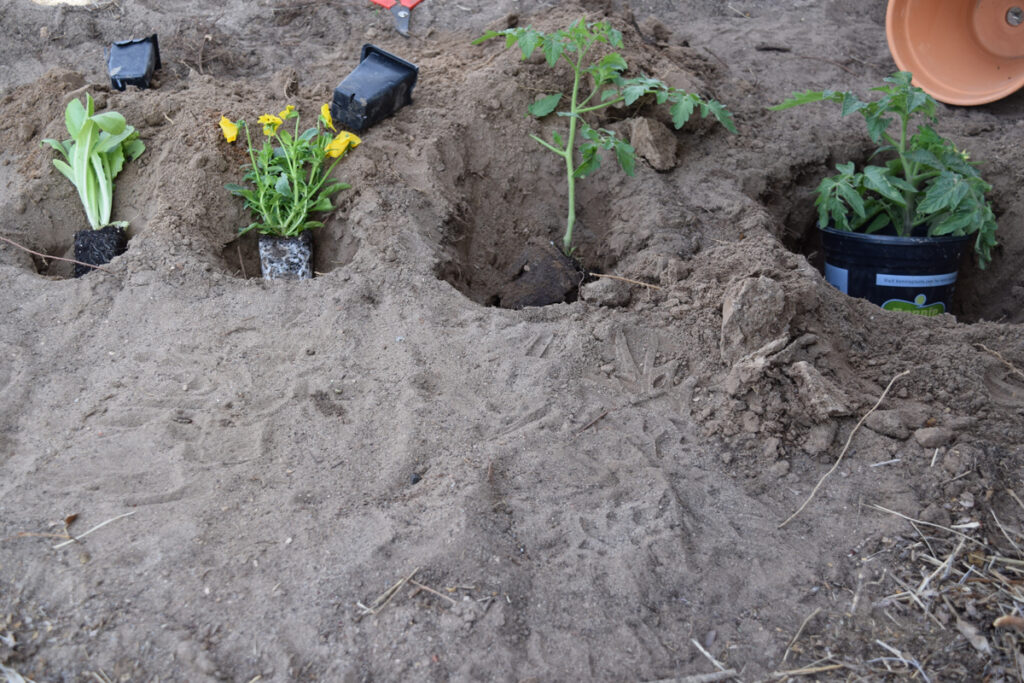
Step 2: Dig the New Hole First
The hole should be slightly larger than the root ball. This gives roots room to spread and grow.
Step 3: Remove the Plant Carefully
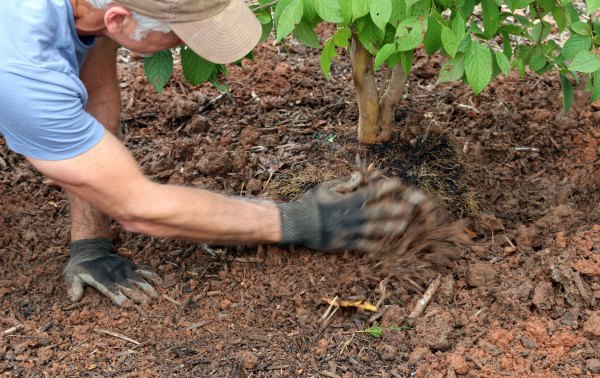
Handle plants by the root ball, not the stem. Keep roots shaded and moist during the move.
Step 4: Place the Plant at the Correct Depth
Planting too deep or too shallow causes stress. The plant should sit at the same depth it was growing before.
Step 5: Fill and Firm the Soil Gently
Fill the hole gradually and lightly press the soil to remove air pockets without compacting it.
Step 6: Water Thoroughly After Transplanting
Water helps soil settle around roots and reduces transplant shock. Avoid flooding the area.
How to Move Plants Without Killing Them
The key to moving plants safely is minimizing stress. Stress occurs when roots dry out, leaves lose too much moisture, or soil conditions change suddenly.
Keeping roots moist, limiting sun exposure immediately after transplanting, and avoiding fertilizers during recovery all help plants survive the move.
Understanding Plant Shock From Transplant
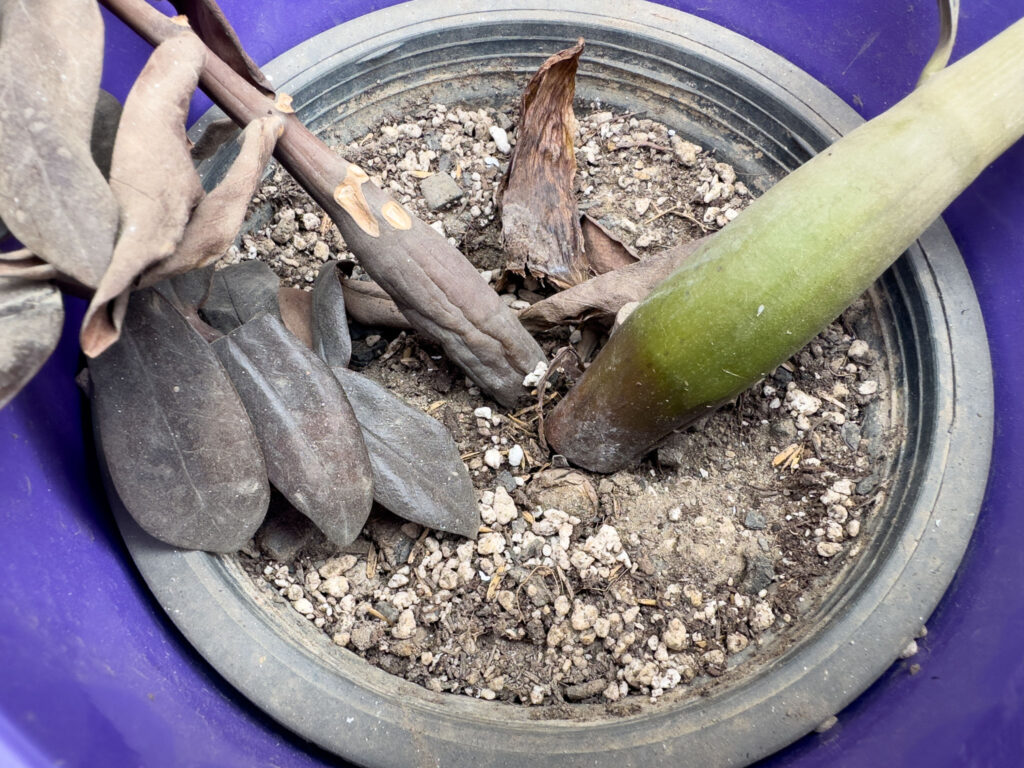
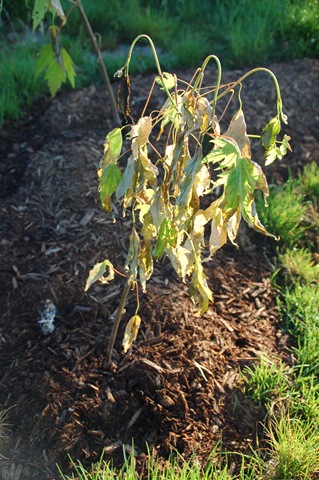
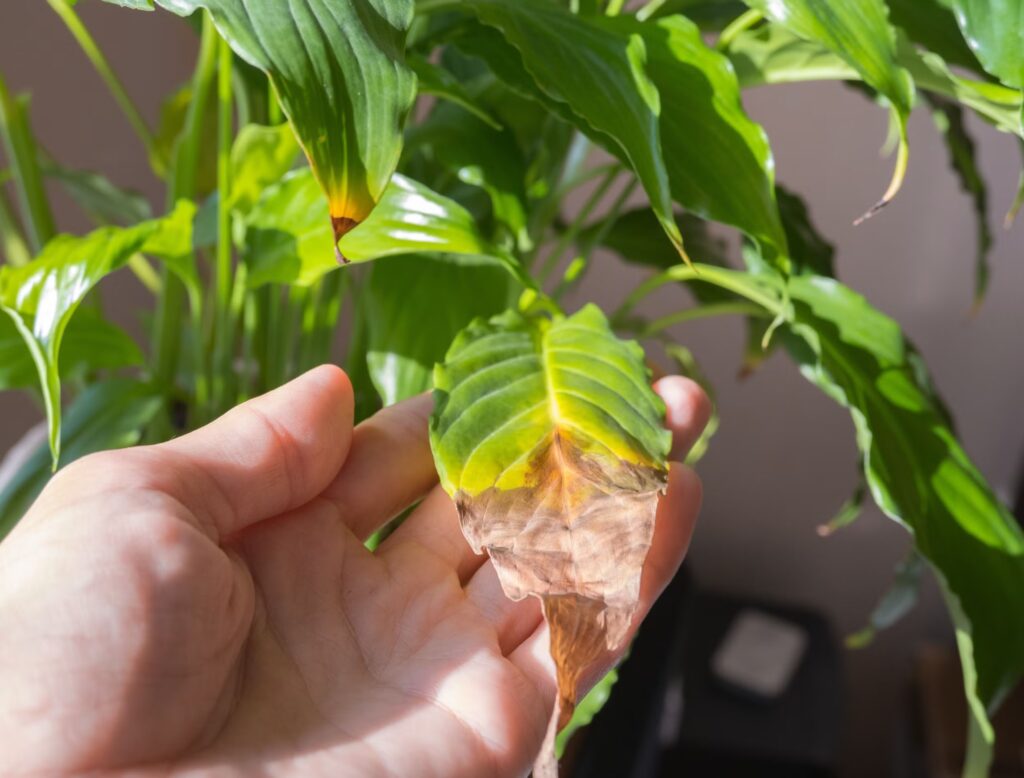
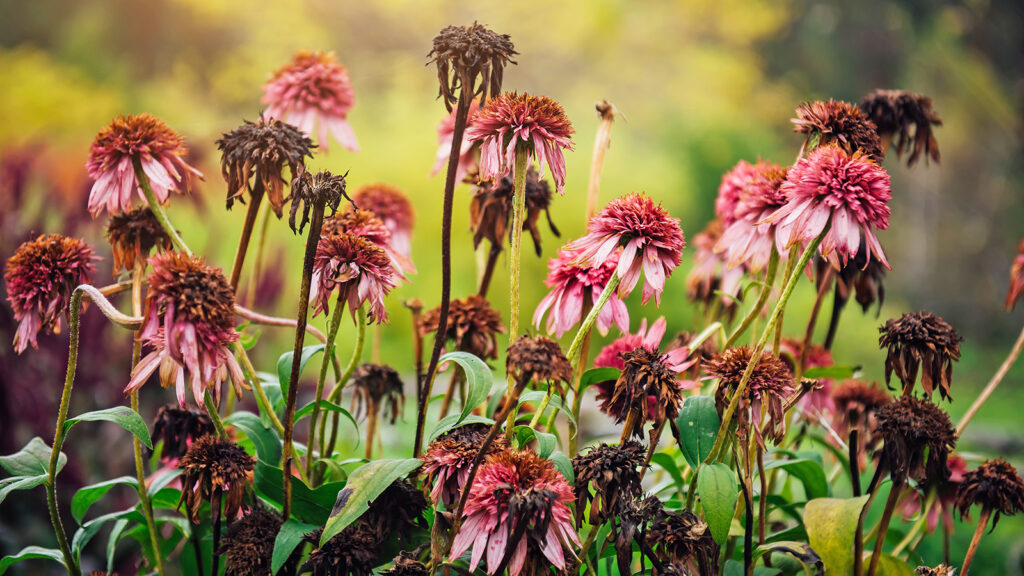
Plant shock from transplant is a natural response to stress. Symptoms include wilting, yellowing leaves, slowed growth, or temporary leaf drop.
Transplant shock does not always mean failure. Many plants recover when given time and proper aftercare.
How Long Plants Take to Recover After Transplanting
Recovery time varies. Seedlings may recover within days, while larger plants may take weeks. During this period, plants focus on rebuilding roots rather than growing leaves.
Patience is essential when learning how to transplant plants successfully.
Watering After Transplanting: What Beginners Get Wrong
Overwatering after transplanting is common. While plants need moisture, saturated soil deprives roots of oxygen.
Water deeply but allow soil to drain properly. Consistent moisture, not constant wetness, supports recovery.
Should You Fertilize After Transplanting?
Fertilizing immediately after transplanting can increase stress. Plants need time to recover before absorbing nutrients efficiently.
Healthy soil usually provides enough support during the recovery period.
Indoor vs Outdoor Transplanting Differences
Indoor plants face different challenges than outdoor plants. Indoor environments are stable, but light levels may be lower. Outdoor plants must adjust to wind, sun, and temperature changes.
Gradual exposure helps plants adapt and reduces transplant shock.
Common Transplanting Mistakes Beginners Make
Many beginners rush transplanting or handle plants too roughly. Another mistake is transplanting during extreme weather or planting too deeply.
Avoiding these mistakes improves success dramatically.
Seasonal Considerations for Transplanting Plants
Transplanting is easier during cooler seasons. Spring and early fall are ideal for many plants. Hot summers and freezing winters increase risk.
Understanding seasonal patterns improves transplant survival.
Frequently Asked Questions About Transplanting Plants
How do I know when to transplant plants?
Transplant when plants outgrow containers or seedlings develop strong roots and true leaves.
Can plants recover from transplant shock?
Yes, most plants recover with proper care and time.
How often should I water after transplanting?
Water deeply, then allow soil to dry slightly before watering again.
Is it normal for plants to wilt after transplanting?
Temporary wilting is common and often resolves within days.
Final Thoughts: Transplanting Is a Skill That Improves With Practice
Learning how to transplant a plant without damaging roots is one of the most important gardening skills. Each successful transplant builds confidence and improves plant health long-term.
Transplanting is not about speed or force. It is about patience, preparation, and respect for the plant’s root system.