
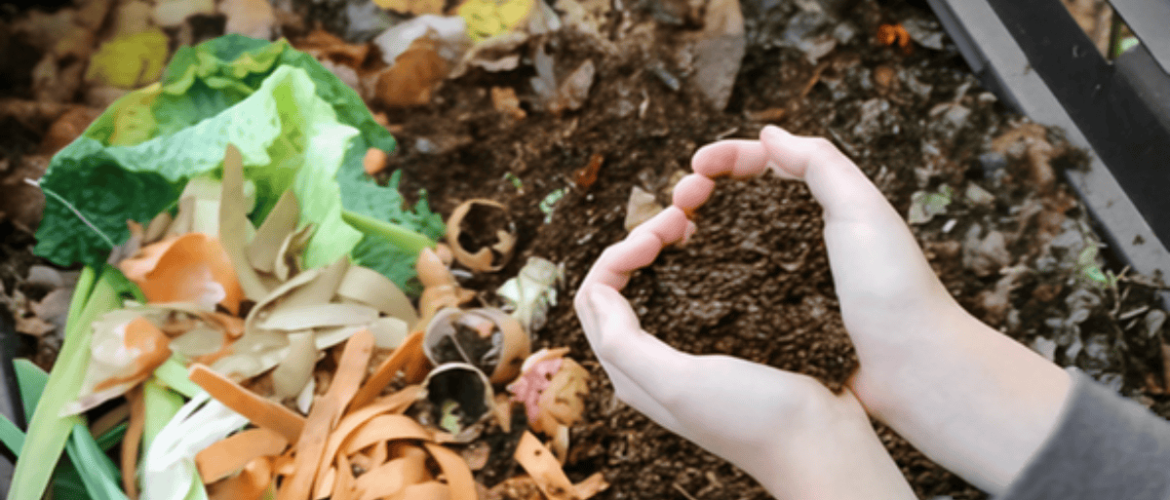
How to Make Compost at Home (Clear Answer First)
To make compost at home, you need to collect organic waste, balance green and brown materials, maintain moisture and airflow, and give nature enough time to break everything down. Composting works because microorganisms naturally decompose organic matter into nutrient-rich soil. When done correctly, home compost turns everyday kitchen and garden waste into a powerful soil conditioner that improves plant growth naturally.
Making compost at home does not require expensive equipment or advanced knowledge. It requires consistency, observation, and patience. Whether you live in a house with a garden or a small home with limited space, composting can be adapted to fit your situation.
What Compost Really Is and Why It Matters
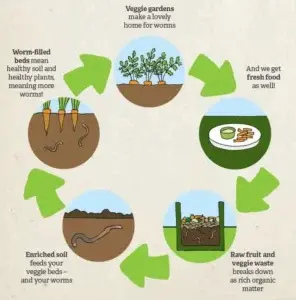
Compost is decomposed organic matter that enriches soil. It improves soil structure, increases nutrient availability, helps retain moisture, and supports beneficial microorganisms. Healthy soil depends on organic matter, and compost is one of the most effective ways to build it naturally.
For beginner gardeners, learning how to make compost at home creates a strong foundation. Instead of relying on external inputs, compost allows you to recycle waste and feed your garden in a sustainable way.
Why Making Compost at Home Is Beneficial
Home composting reduces household waste, improves garden soil, and supports long-term soil health. It also teaches you how natural systems work. Composting shifts gardening from feeding plants directly to feeding the soil, which then supports plants naturally.
Garden soil amended with compost becomes easier to work with over time. It drains better, holds moisture longer, and supports stronger root systems.
Understanding How Composting Works
Composting is a biological process driven by microorganisms. These organisms break down organic materials into simpler compounds. For this process to work efficiently, compost needs the right balance of materials, moisture, and oxygen.
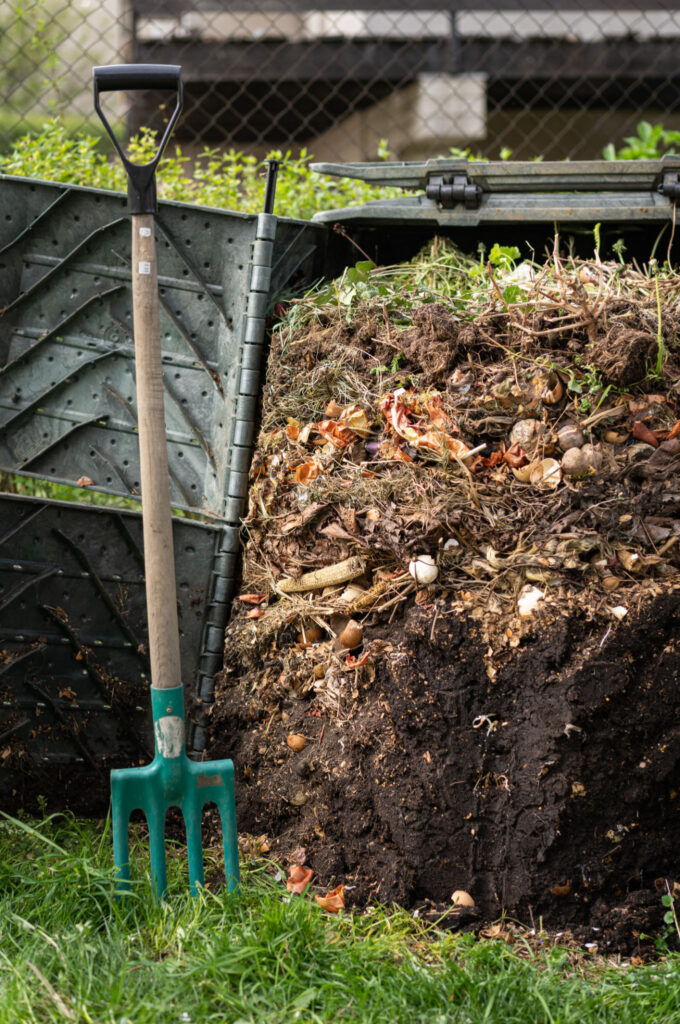
When conditions are right, compost heats up internally as microbes work. Over time, materials decompose into dark, crumbly compost that smells earthy, not rotten.
What You Need to Make Compost at Home
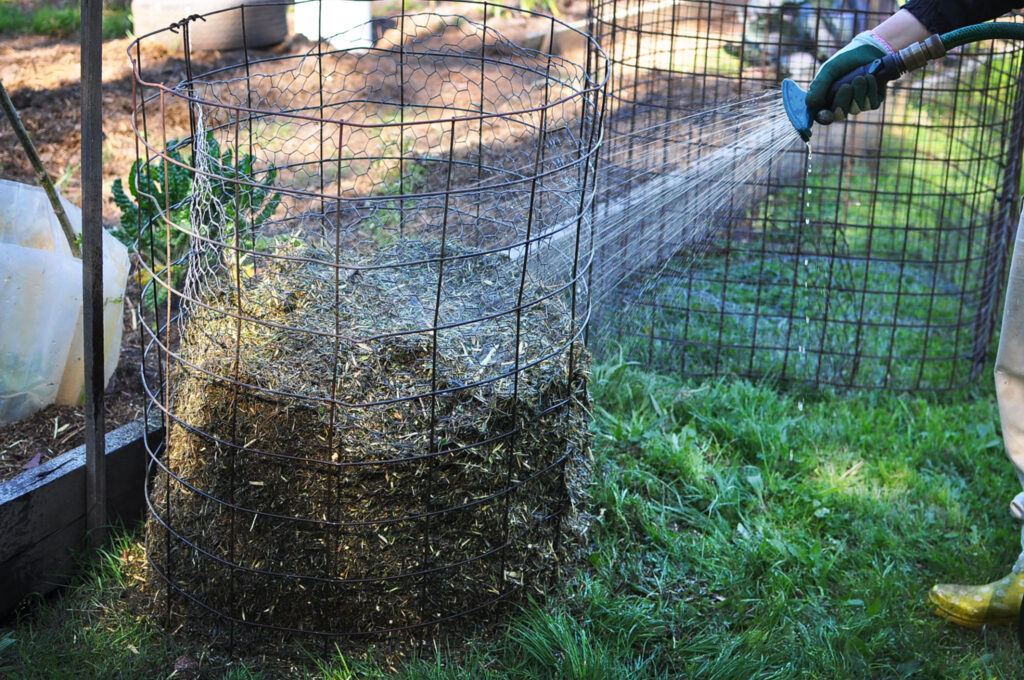
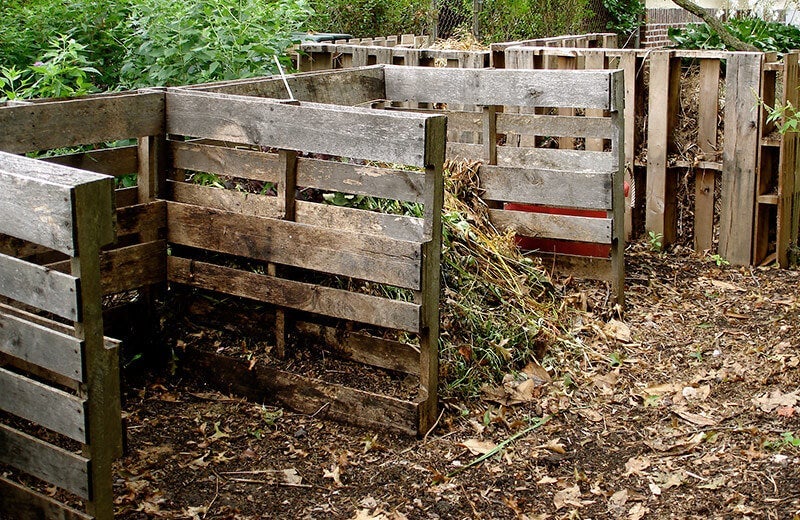
You do not need complex tools to make compost at home. Compost can be created in a pile, a simple container, or a dedicated compost bin. The method you choose depends on space, convenience, and personal preference.
What matters most is airflow, drainage, and accessibility for turning or adding materials.
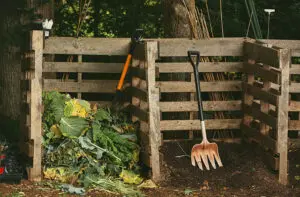
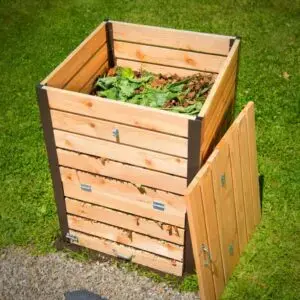
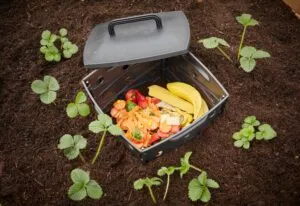
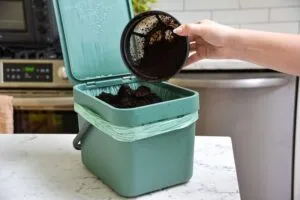
Choosing the Right Composting Method for Your Home
Compost Pile Method
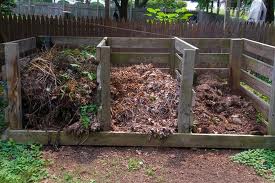
A compost pile is the simplest way to start composting. Organic waste is layered directly on the ground in a designated area. This method works well for homes with garden space.
Compost Bin Method
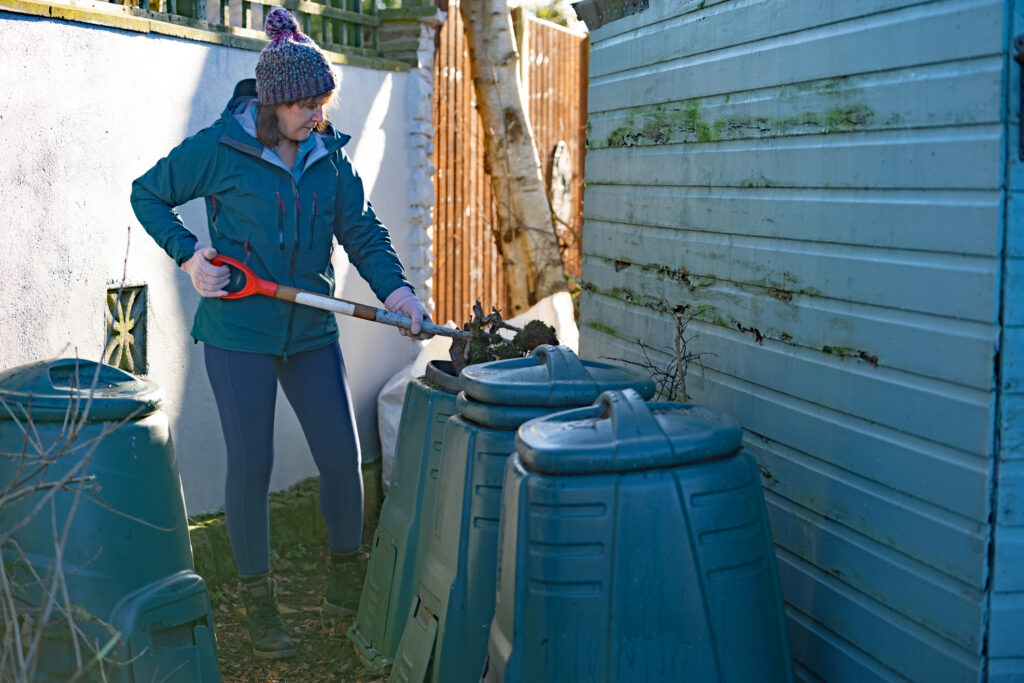
Using a compost bin keeps materials contained and organized. A compost bin helps control moisture, improves airflow, and reduces pests. It is a popular option for beginners learning how to make compost at home.
Indoor or Small-Space Composting
For homes without outdoor space, composting can still be done on a smaller scale. Controlled systems allow organic waste to break down without odors when managed correctly.
Understanding Green and Brown Materials in Compost
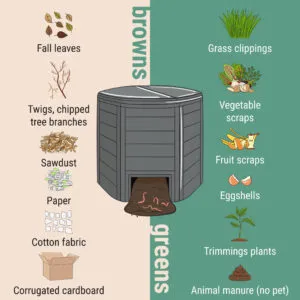
Compost requires a balance of nitrogen-rich and carbon-rich materials.
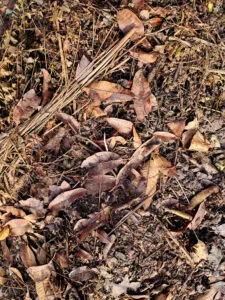
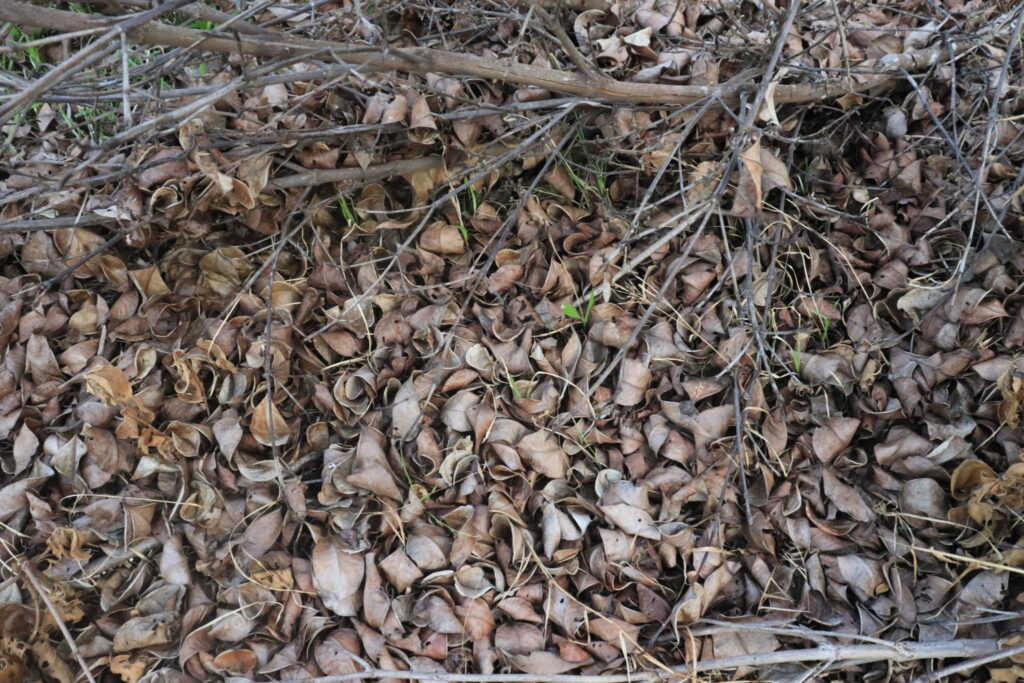
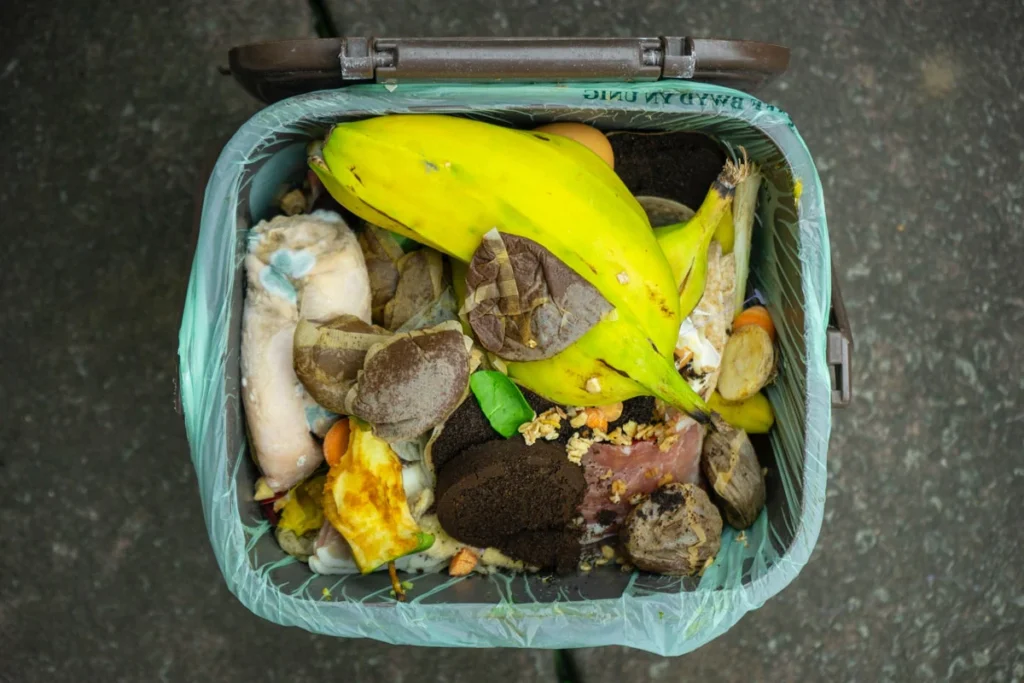
Green materials provide nitrogen. These include kitchen scraps, fresh plant trimmings, and green leaves. Brown materials provide carbon. These include dry leaves, cardboard, paper, and straw.
The balance between these materials affects how quickly compost breaks down and whether it smells unpleasant. Too much green material creates odor, while too much brown slows decomposition.
What Can You Compost at Home
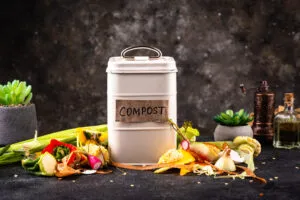
Most organic household and garden waste can be composted. Fruit and vegetable scraps, garden trimmings, dry leaves, and paper products break down naturally over time.
Composting kitchen waste is one of the easiest ways to reduce household waste while feeding your garden soil.
What Not to Put in Home Compost
Certain materials should not be added to compost. Items that attract pests, carry disease, or break down poorly can cause problems.
Avoid adding materials that do not decompose naturally or that disrupt microbial balance. Keeping compost clean helps it break down faster and stay odor-free.
How to Make Compost at Home Step by Step
Step 1: Choose a Location
Select a well-drained area with partial shade. Compost should stay moist but not waterlogged. Easy access encourages regular maintenance.
Step 2: Start With a Base Layer
Begin with coarse materials that allow airflow. This base layer prevents compaction and improves oxygen flow through the pile.
Step 3: Add Green and Brown Materials in Balance
Alternate layers of green and brown materials. This balance supports efficient decomposition and prevents odor issues.
Step 4: Maintain Moisture
Compost should feel like a wrung-out sponge. Too much water causes rot, while dryness slows microbial activity.
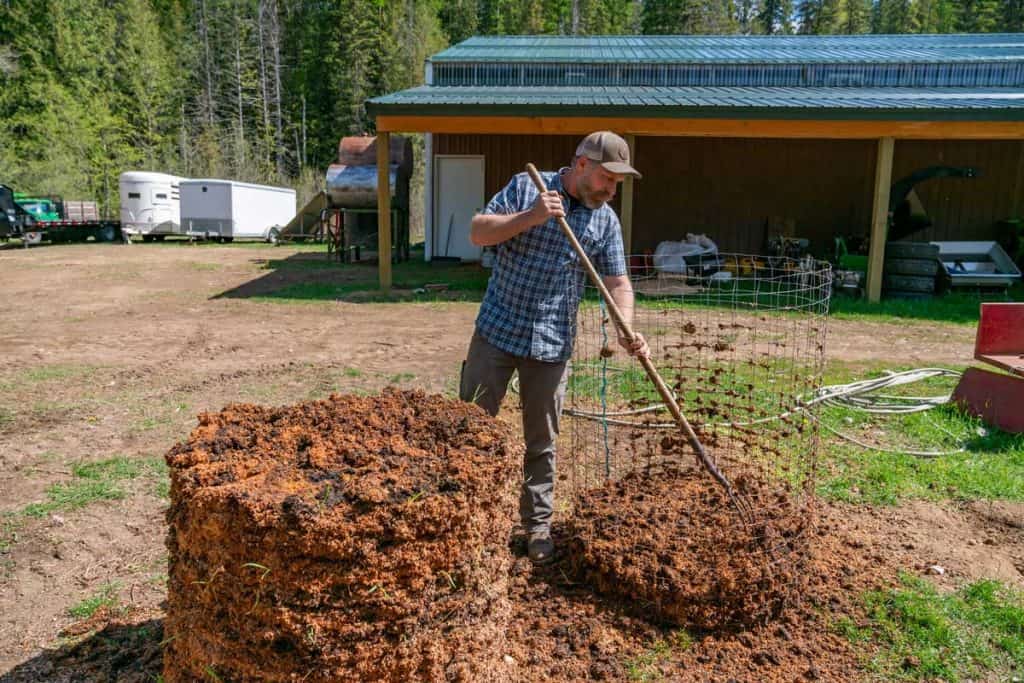
Step 5: Turn the Compost Regularly
Turning introduces oxygen and redistributes materials. This speeds up decomposition and prevents foul smells.
How Long Does Compost Take to Make
Compost does not form overnight. Depending on conditions, compost can take a few months to over a year to fully mature.
Warmer temperatures, proper moisture, balanced materials, and regular turning all speed up the process. Slow composting is normal and still effective.
Common Composting Problems and How to Fix Them
Compost problems usually come from imbalance.
Bad smells often mean too much moisture or nitrogen. Adding dry materials and increasing airflow usually fixes the issue.
Slow decomposition often means lack of moisture, oxygen, or nitrogen. Small adjustments bring compost back on track.
How to Know When Compost Is Ready
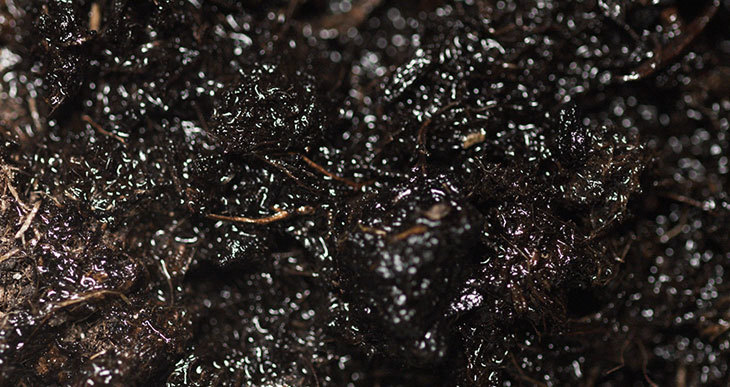
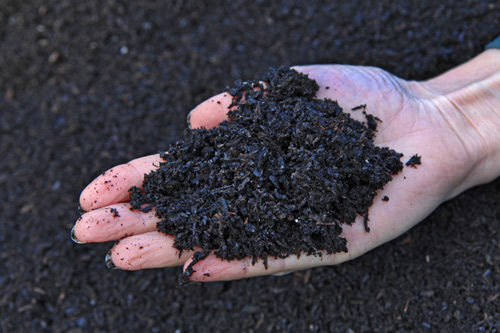
Finished compost looks dark, crumbly, and soil-like. It smells earthy and no longer resembles the original materials.
Using unfinished compost can harm plants by tying up nutrients, so patience is important.
How to Use Compost in the Garden
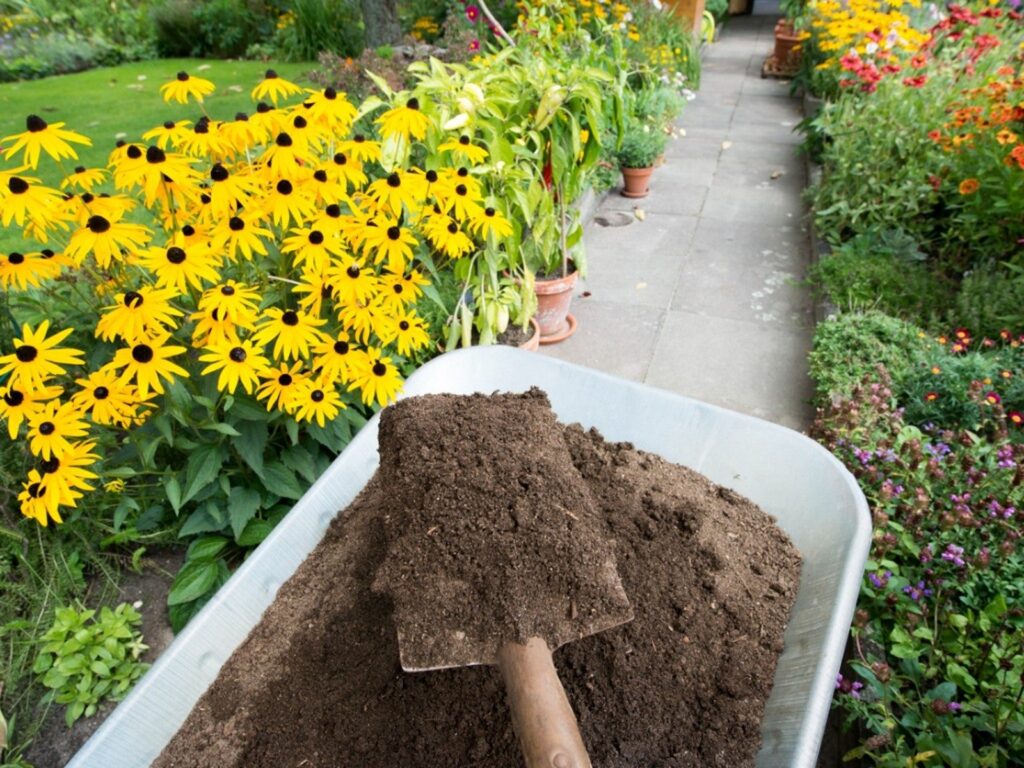
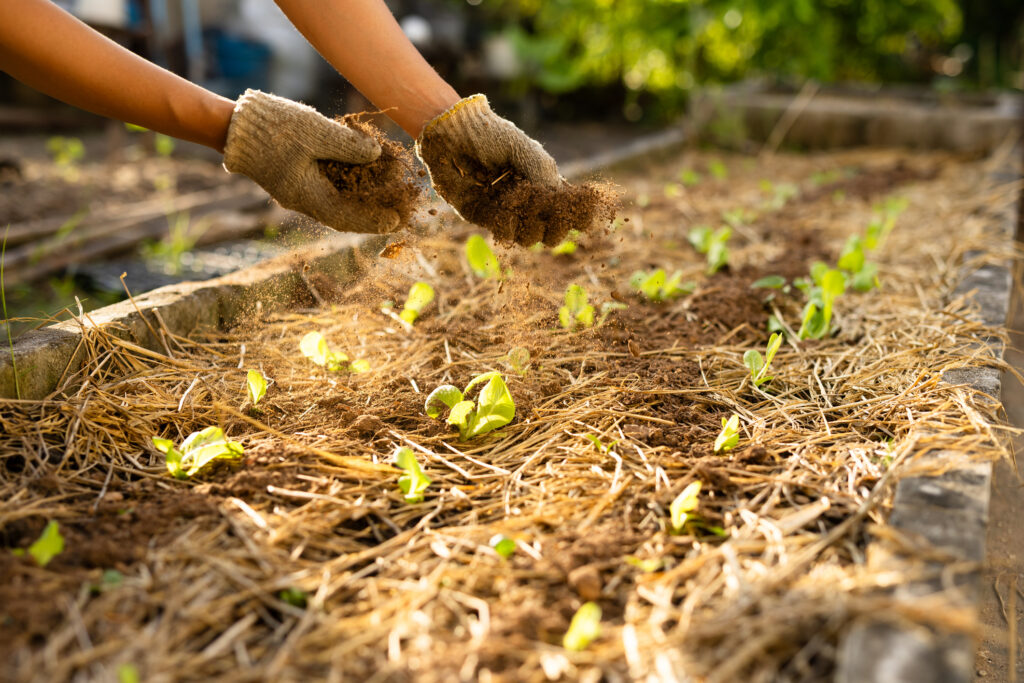
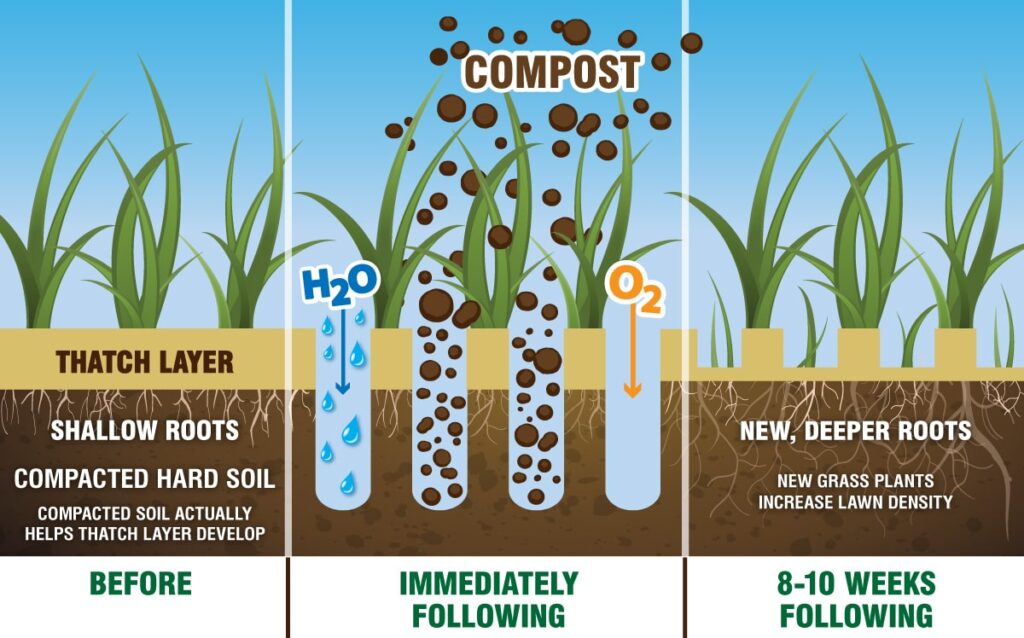
Compost can be mixed into garden soil, added to planting holes, or spread as a top layer. It improves soil structure and feeds plants gradually.
For beginner gardeners, compost is one of the safest and most effective soil amendments.
Composting and Soil Health Over Time
Regular compost use improves soil year after year. Soil becomes more fertile, holds water better, and supports stronger plants naturally.
Composting shifts gardening from short-term fixes to long-term soil care.
Seasonal Composting Tips
Composting continues year-round, but conditions change with seasons. Cold slows decomposition, while warmth speeds it up.
Adjusting moisture and materials helps compost remain active through seasonal changes.
Composting for Beginner Gardeners
Learning how to make compost at home builds confidence. Mistakes are part of the process. Composting improves with observation and small adjustments.
Every successful compost pile starts with experimentation and patience.
Frequently Asked Questions About Making Compost at Home
Does compost smell bad?
Healthy compost smells earthy, not rotten. Odors usually indicate imbalance.
Can compost attract pests?
Properly managed compost discourages pests.
Is compost safe for all plants?
Yes, mature compost benefits most plants when used correctly.
Do I need a compost bin?
A bin helps, but compost can be made without one.
Final Thoughts: Compost Is the Foundation of Healthy Gardening
Learning how to make compost at home connects you directly to the natural cycle of growth and renewal. Compost turns waste into nourishment and improves soil in ways no quick solution can.
Healthy gardens start with healthy soil, and compost is one of the most powerful tools for building it naturally.