

How to Prepare Soil for Garden (Direct Answer First)
If you are starting your first garden, preparing the soil correctly is the single most important thing you can do. To prepare soil for garden planting, you need to understand your soil type, improve its structure, add organic matter, ensure proper drainage, and create a healthy environment for roots. Good soil preparation does not mean expensive products or complicated techniques. It means working with what you already have and improving it step by step.
Many beginners focus on plants first, but experienced gardeners know that plants only thrive when soil is healthy. Learning how to prepare soil for garden use gives you stronger plants, better growth, fewer problems, and long-term success.
Why Soil Preparation Matters for Every Beginner Gardener
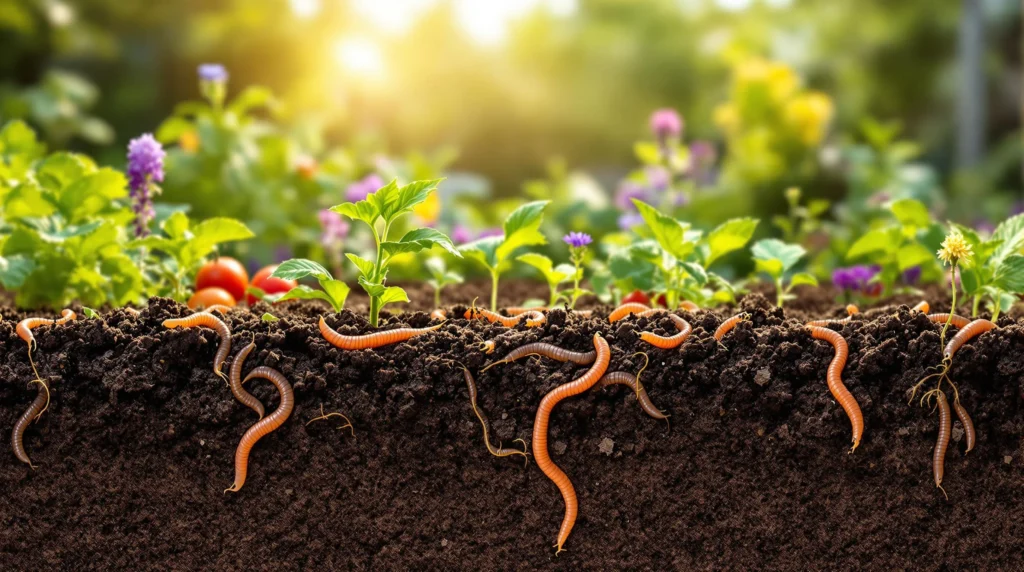
Soil is not just dirt. It is a living system that supports plant roots, holds water, delivers nutrients, and allows air to circulate underground. When soil is poorly prepared, plants struggle no matter how much you water or care for them.
For beginner gardeners, soil preparation creates a foundation that reduces mistakes later. Healthy soil helps plants resist pests, tolerate weather stress, and grow steadily without constant intervention.
Understanding Soil Before You Prepare It
Before learning how to prepare garden soil, you need to understand what kind of soil you already have. Every garden starts with existing soil, and improving it begins with observation.
Common Garden Soil Types
Most garden soils fall into a few broad categories. Some are heavy and compacted, while others are loose and sandy. Many gardens have a mix of soil types depending on location.
Soil texture affects how water drains, how roots grow, and how nutrients are held. Beginner gardeners often skip this step and unknowingly work against their soil instead of with it.
How to Check Your Soil Texture at Home
You can test soil texture by feeling it when slightly moist. Soil that forms a tight ball and stays sticky usually contains more clay. Soil that crumbles easily and feels gritty contains more sand. Ideal garden soil feels soft, loose, and slightly spongy.
Understanding texture helps you decide how to prepare soil for your first garden more effectively.
How to Prepare Garden Soil Step by Step

Step 1: Clear the Garden Area Completely
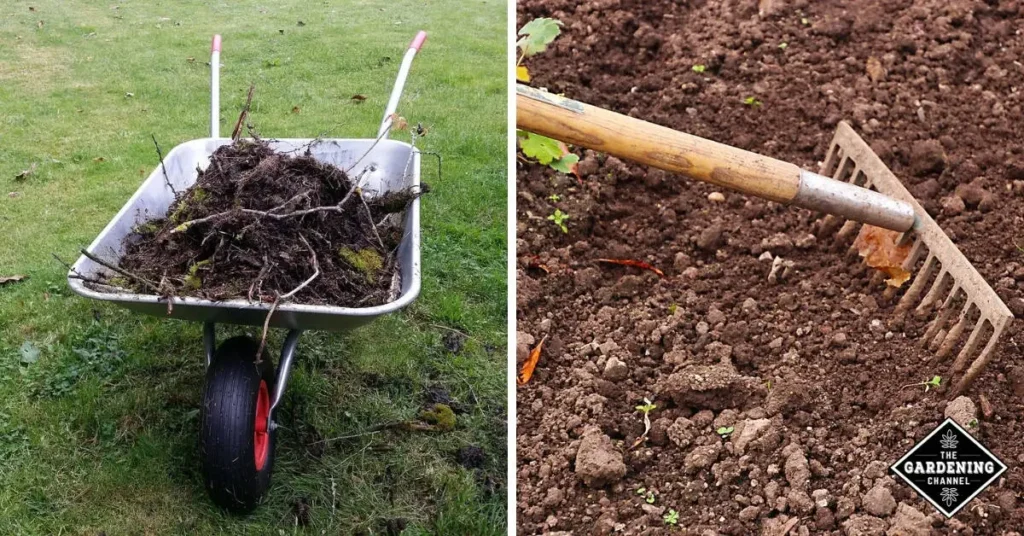
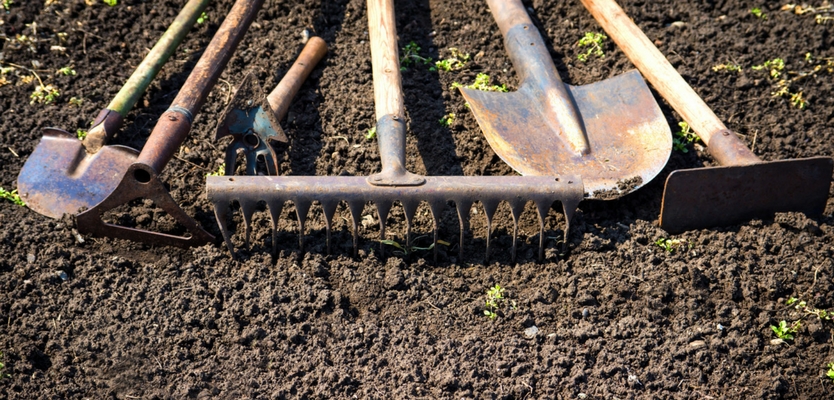
Start by removing weeds, grass, roots, stones, and debris. Weeds compete with plants for nutrients and water, especially in new gardens. Clearing thoroughly reduces future problems and gives plants a clean start.
For first-time gardens, patience at this stage saves months of frustration later.
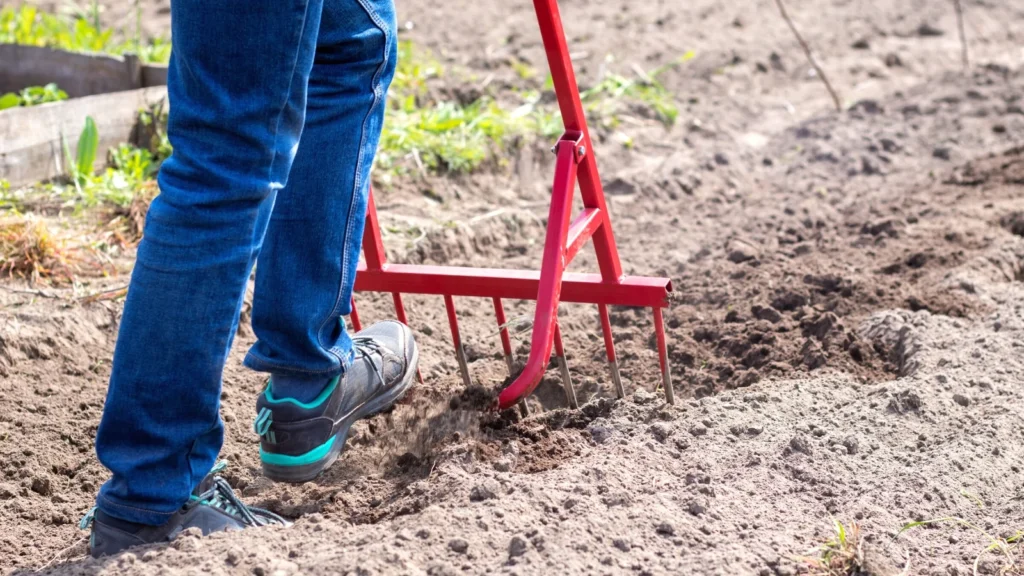
Step 2: Loosen the Soil Properly
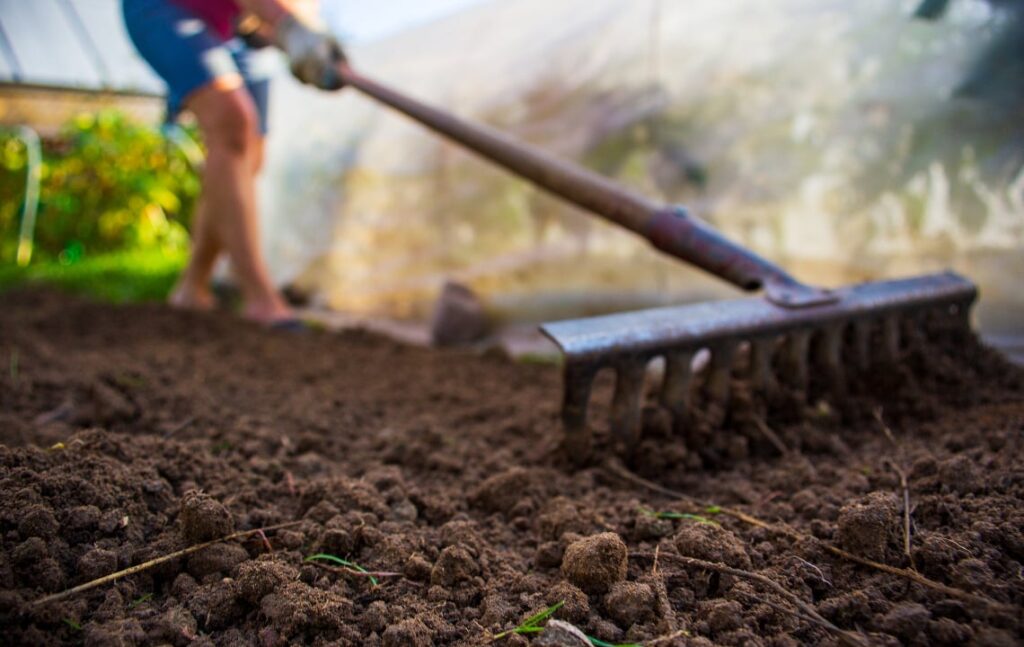
Soil needs space for roots to grow and air to circulate. Compacted soil restricts root development and causes poor drainage. Loosen soil to a depth that allows roots to expand naturally.
This step is critical when learning how to prepare soil for garden beds, especially in areas where soil has been walked on or neglected.
Step 3: Improve Soil Structure with Organic Matter
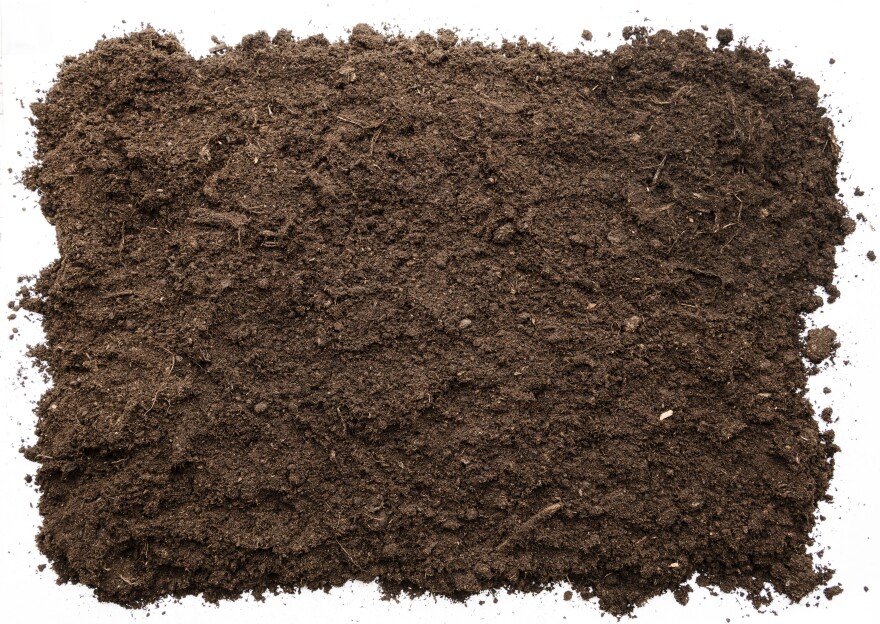
Organic matter is the most important ingredient in garden soil. Compost, decomposed plant material, and natural organic inputs improve soil texture, fertility, and moisture retention.
Adding organic matter helps clay soil drain better and sandy soil hold water longer. Over time, organic matter transforms poor soil into productive garden soil.
How to Prepare Soil for First Garden Success
Preparing soil for your first garden requires a slightly different mindset. Instead of aiming for perfection, focus on gradual improvement.
Start With Soil Health, Not Fertilizers
Beginner gardeners often assume fertilizers are the solution to weak plants. In reality, soil health matters far more. Fertilizers feed plants temporarily, but healthy soil supports them continuously.
For a first garden, building soil quality creates long-term benefits that improve every season.
Avoid Overworking the Soil
While loosening soil is important, excessive digging can damage soil structure. Soil organisms thrive when soil is handled gently. Preparing soil for garden use should balance improvement with respect for the soil’s natural ecosystem.
Drainage and Water Movement in Garden Soil
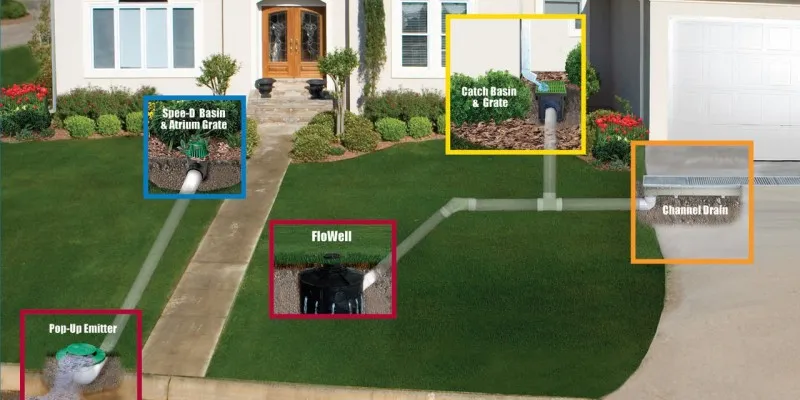
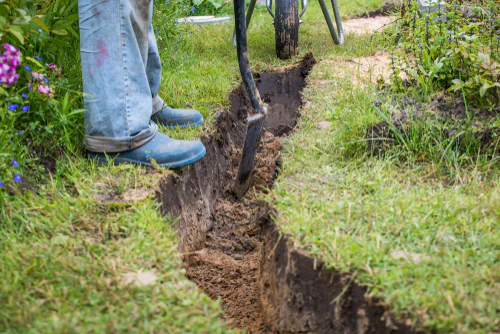
Water management is a key part of how to prepare soil for garden planting. Poor drainage leads to root rot, disease, and weak growth.
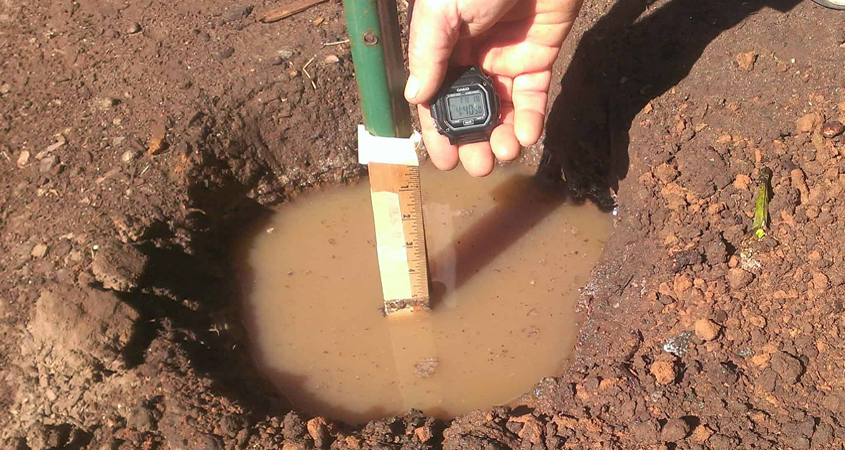
How to Test Soil Drainage
A simple drainage test involves digging a hole, filling it with water, and observing how quickly it drains. Soil that drains too slowly may need organic matter or raised beds. Soil that drains too fast may need added compost to retain moisture.
Understanding drainage helps beginner gardeners prevent common watering problems.
Soil pH and Nutrient Balance Explained Simply
Soil pH affects how plants absorb nutrients. Most garden plants prefer slightly neutral soil, but many tolerate a range if soil health is good.
Beginner gardeners do not need to obsess over pH numbers. Focus first on organic matter and soil structure. Healthy soil naturally balances itself over time.
How to Prepare Soil for Garden Beds and Containers
Soil preparation differs slightly depending on where you plant.
Garden Beds
In-ground beds benefit from gradual improvement. Adding organic matter each season builds healthier soil year after year.
Containers and Raised Beds
Containers require well-draining soil mixes. Unlike ground soil, containers dry out faster and depend entirely on the gardener for nutrients and moisture balance.
Understanding this difference helps beginner gardeners succeed in both environments.
Common Soil Preparation Mistakes Beginners Make
Many people struggle because they rush soil preparation. Planting before improving soil leads to weak growth and disappointment.
Another common mistake is relying only on store-bought soil additives without understanding existing soil conditions. Learning how to prepare soil for garden success means observing, adjusting, and improving gradually.
Seasonal Timing for Soil Preparation
Soil preparation can happen before planting season or after harvest. Preparing soil ahead of time allows organic matter to break down naturally and improves structure.
For beginner gardeners, preparing soil early reduces pressure during planting season and leads to smoother garden setup.
Long-Term Soil Care for Healthy Gardens
Soil preparation is not a one-time task. Healthy gardens are built through ongoing care.
Adding organic matter regularly, avoiding compaction, mulching, and observing soil behavior all contribute to long-term soil health. Over time, soil becomes easier to work with and more productive.
Frequently Asked Questions About Preparing Garden Soil
How long does it take to prepare soil for a garden?
Basic preparation can take a few days, but soil improvement continues over seasons.
Can I prepare garden soil without compost?
Compost is the most effective method, but natural organic materials can also improve soil gradually.
Is store-bought soil necessary for first gardens?
Not always. Improving existing soil is often more sustainable and cost-effective.
Do I need to replace old soil completely?
Most gardens benefit more from improvement than replacement.
Final Thoughts: Soil Is the Beginning of Everything
Learning how to prepare soil for garden success changes everything about gardening. Healthy soil supports plants naturally, reduces effort, and builds confidence for beginner gardeners.
When soil is cared for, the garden rewards you season after season.