
How to Start Gardening for Beginners (Straight Answer First)
If you are a beginner gardener and feel confused about where to start, here is the honest answer: start small, understand your space, learn your soil, and grow a few easy plants first. Gardening for beginners is not about perfection or fancy tools. It is about learning how plants live, how nature behaves in your environment, and how to support growth without forcing it.
Many people fail at beginner gardening because they try to do too much at once. They plant too many things, follow conflicting advice, or copy advanced gardeners without understanding the basics. This guide is written to prevent that. By the end of this article, you will know exactly how to start gardening as a beginner, what matters most, what mistakes to avoid, and how to grow with confidence season after season.
What Gardening Really Means for a Beginner Gardener
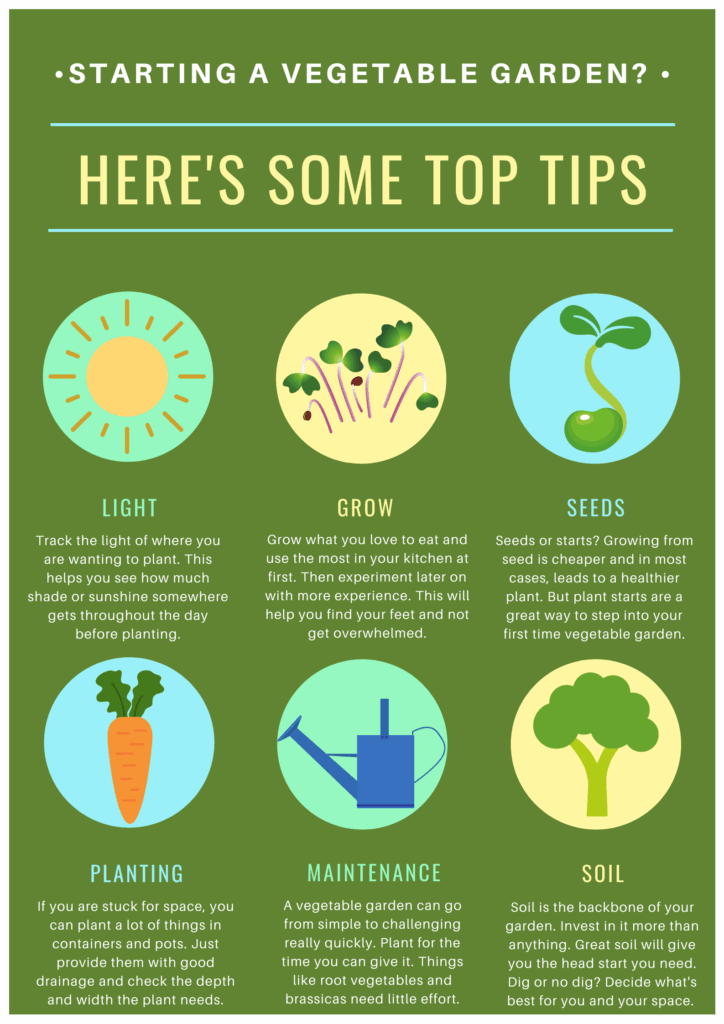
Beginner gardening is not about creating a perfect-looking garden. It is about learning the relationship between plants, soil, water, sunlight, and time. Every successful gardener started as a beginner gardener who killed a few plants along the way. That is not failure; it is part of the process.
Gardening for beginners should be slow and intentional. You are not just planting seeds. You are learning how your environment works. Weather patterns, sunlight exposure, soil type, and even insects will shape how your garden behaves. Once you understand these elements, gardening becomes easier and more rewarding.
Understanding Your Space Before You Start Gardening
Before planting anything, the most important step in beginner gardening is understanding your available space. Your garden does not need to be large. You can start gardening in a backyard, front yard, balcony, rooftop, or even indoors near a window.
Sunlight: The Foundation of All Gardening
Sunlight determines what you can grow. Spend a full day observing how sunlight moves across your space. Most plants need at least six hours of direct sunlight. Some plants tolerate partial shade, while others struggle without strong light.
Beginner gardeners often skip this step and wonder why plants fail. If your space gets limited sunlight, your plant choices must match that reality.
Wind, Temperature, and Microclimates
Gardens are affected by wind exposure and temperature changes. Walls, fences, and buildings create warmer or cooler microclimates. Beginner gardening becomes much easier when you notice these small environmental differences and plant accordingly.
Soil Basics Every Beginner Gardener Must Know
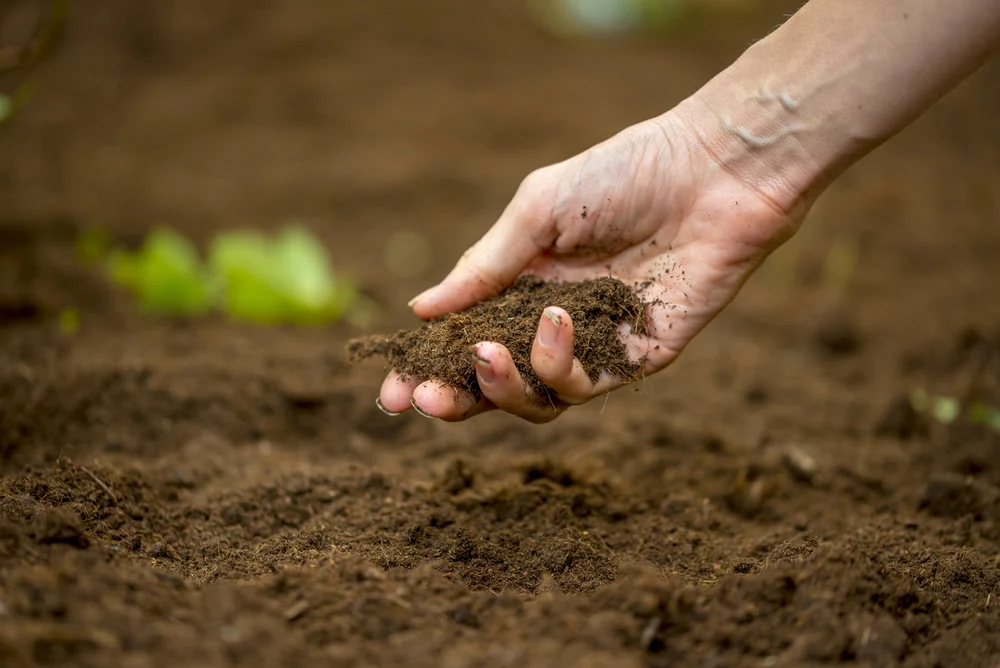
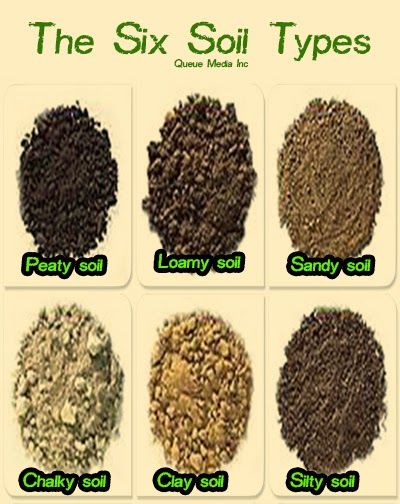
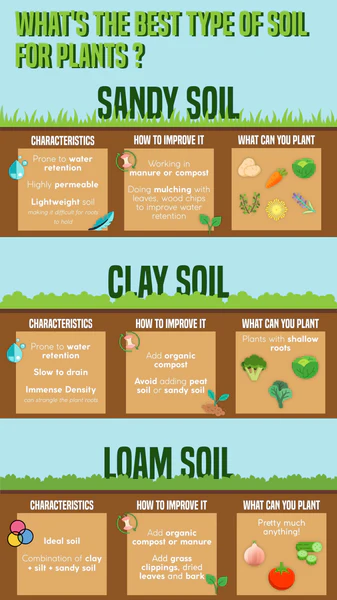
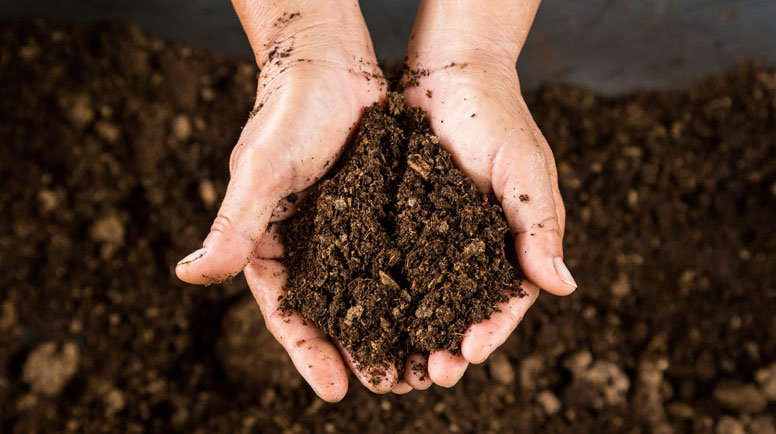
Soil is the heart of gardening. Plants live in soil, not in pots or beds. Beginner gardening fails more often due to poor soil than poor seeds.
What Good Garden Soil Looks Like
Healthy soil is loose, dark, and slightly moist. It drains well but holds enough water to keep roots hydrated. If soil feels compacted, sticky, or sandy without structure, it needs improvement.
Improving Soil for Beginner Gardening
You do not need complex fertilizers to start gardening for beginners. Adding organic matter like compost improves soil structure, nutrient availability, and water retention. This single habit can transform your entire garden over time.
Understanding soil teaches beginner gardeners patience. Soil improvement is gradual, but its benefits last for years.
Choosing the Right Plants for Beginner Gardening
One of the biggest mistakes beginner gardeners make is choosing difficult plants. Start with plants known for resilience and adaptability. These plants forgive mistakes and help build confidence.
Easy vegetables, herbs, and flowers allow beginner gardening to feel successful early. Early success encourages consistency, which is more important than expertise.
Native and Climate-Adapted Plants
Plants adapted to your local climate require less effort. They resist pests better, tolerate weather fluctuations, and grow naturally. Beginner gardeners should prioritize plants that thrive in their region rather than exotic varieties.
When to Start Gardening: Timing Matters
Gardening for beginners becomes much easier when planting happens at the right time. Every plant has a preferred growing season. Starting too early or too late often leads to disappointment.
Learn your local planting seasons. Cool-season plants thrive in mild temperatures, while warm-season plants need heat. Understanding seasonal timing is a foundational skill for every beginner gardener.
How to Start Gardening Step by Step (Beginner-Friendly Process)

Step 1: Start Small on Purpose
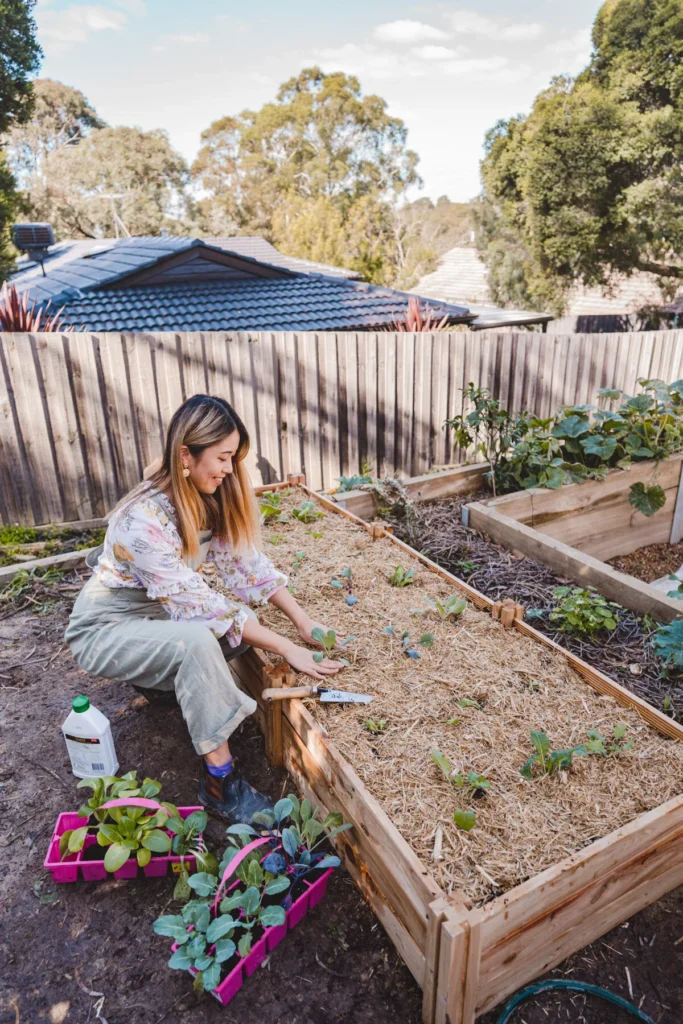
Beginner gardening works best when you limit your first garden. A small bed or a few containers are easier to manage and observe. Large gardens increase workload and confusion.
Step 2: Prepare the Soil Properly
Loosen the soil, remove debris, and enrich it with organic matter. Healthy soil sets the stage for everything that follows.
Step 3: Plant Correctly, Not Perfectly
Follow basic planting depth and spacing guidelines. Plants need space for airflow and root growth. Overcrowding is a common beginner mistake.
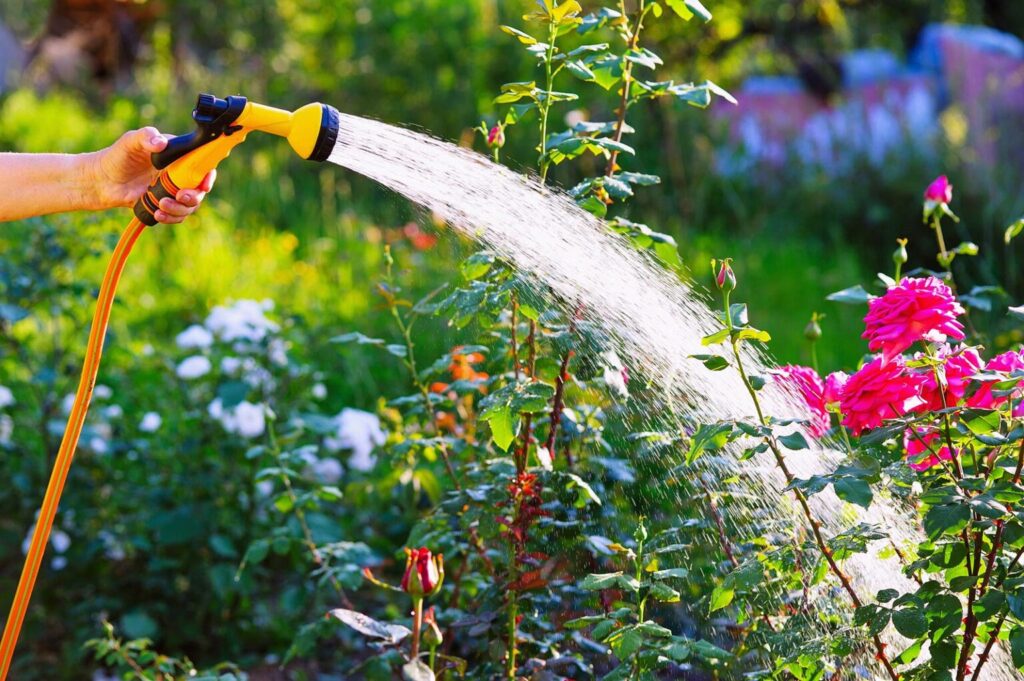
Step 4: Water Consistently, Not Excessively
Water deeply and less frequently rather than lightly every day. This encourages deeper root growth and healthier plants. Beginner gardeners often overwater due to fear, not necessity.
Step 5: Observe Daily
Observation is the most powerful gardening skill. Look at leaves, stems, and soil moisture. Plants communicate through subtle changes long before serious problems appear.
Watering Basics for Beginner Gardeners
Watering is where many beginner gardeners struggle. Plants do not need constant water; they need consistent moisture balance.
Watering early in the morning reduces evaporation and disease risk. Evening watering can work in dry climates but may encourage fungal issues in humid areas.
Understanding when soil is dry versus when it looks dry is a skill developed through experience. Beginner gardening improves dramatically once watering becomes intentional rather than reactive.
Mulching: A Beginner Gardening Secret Weapon
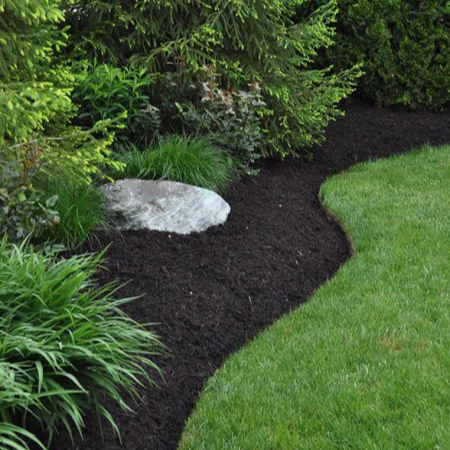
Mulch protects soil, reduces weeds, retains moisture, and stabilizes temperature. Many beginner gardeners skip mulching and spend unnecessary time watering and weeding.
Organic mulch improves soil health as it breaks down. This creates a natural cycle that supports plant growth long-term.
Common Beginner Gardening Mistakes (And How to Avoid Them)
Beginner gardeners often blame themselves when plants fail, but mistakes are usually simple and fixable.
Overplanting leads to overcrowding and stress. Overwatering suffocates roots. Ignoring soil quality starves plants slowly. Lack of patience causes unnecessary changes before plants adapt.
Gardening for beginners becomes easier when mistakes are seen as feedback rather than failure.
Pests, Diseases, and Beginner Gardening Reality
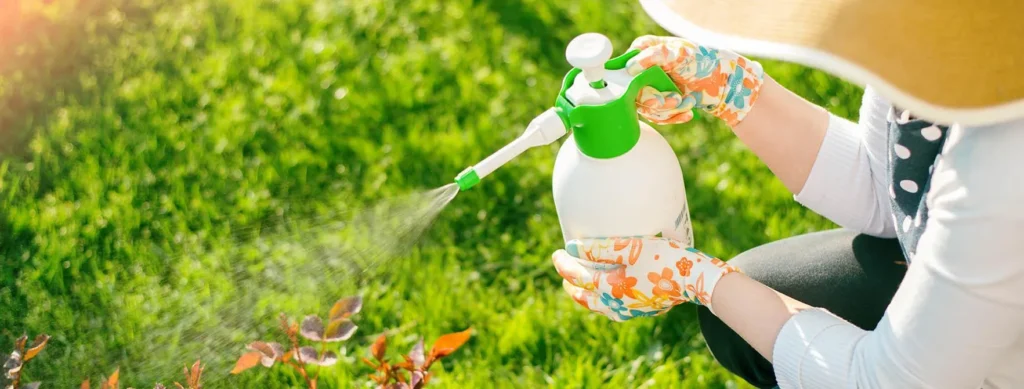
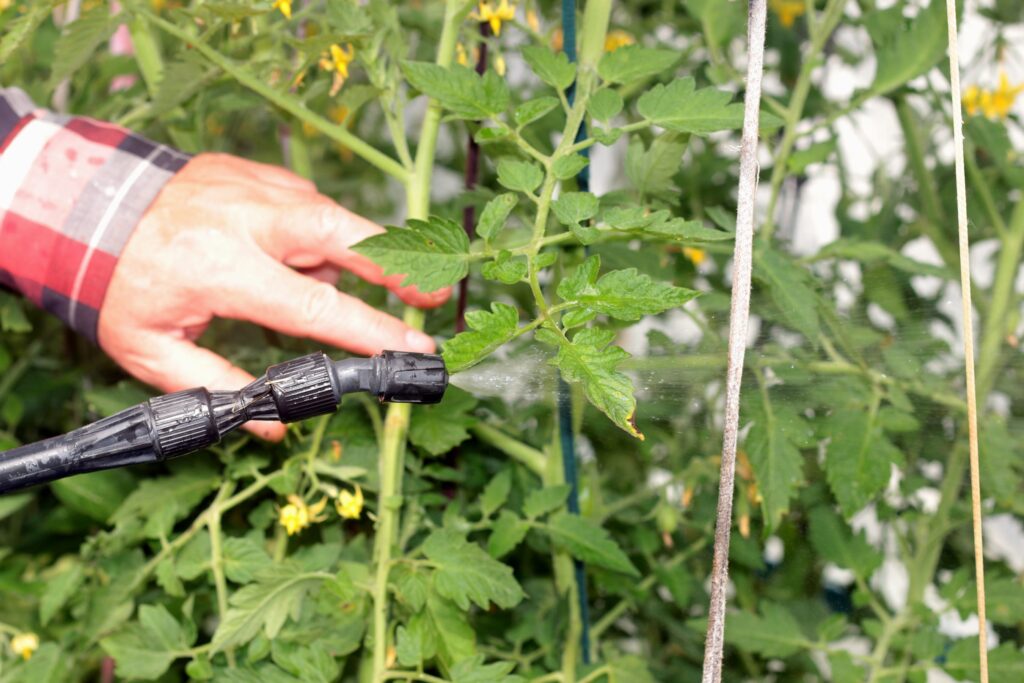
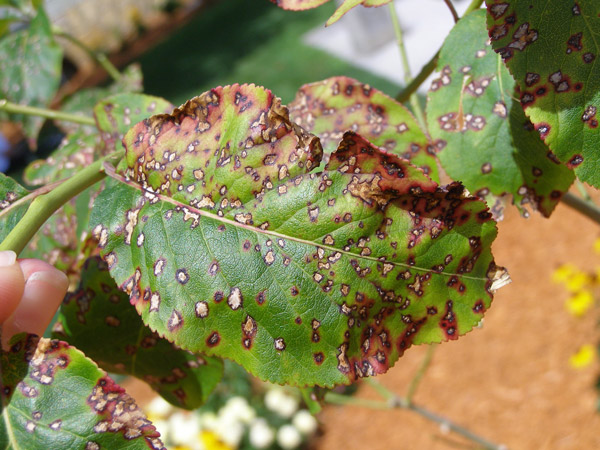
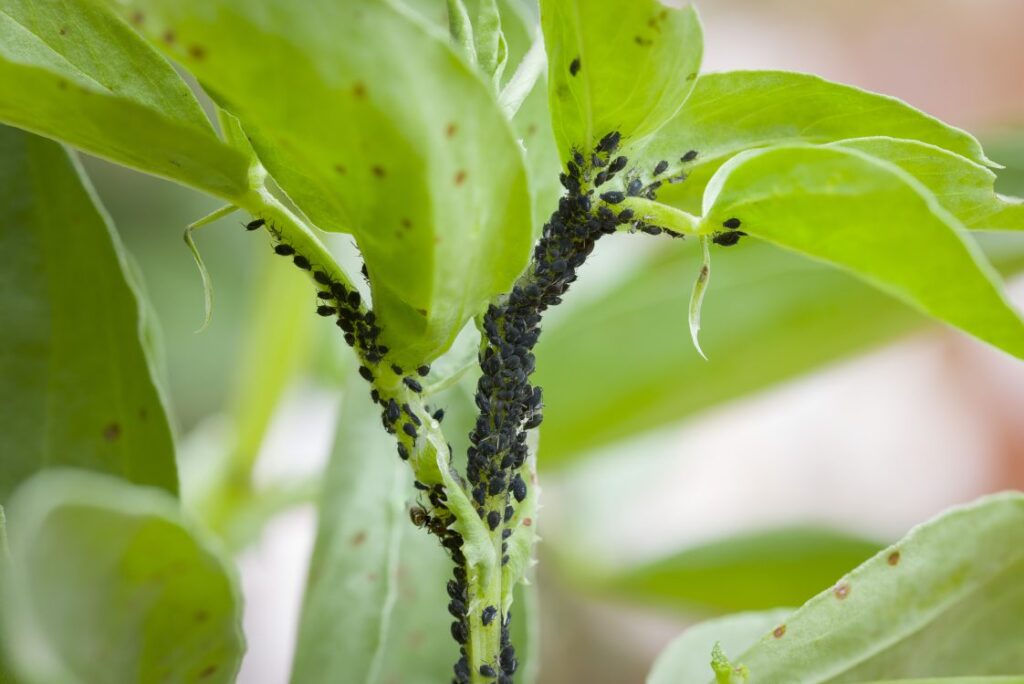
Pests are part of gardening, not a sign of failure. Beginner gardeners often panic at the first sign of insects. Most plants can tolerate minor pest activity without intervention.
Healthy soil and strong plants resist pests naturally. Observation allows early detection, making solutions simpler and less invasive.
Growing Confidence as a Beginner Gardener
Confidence in gardening comes from repetition, not perfection. Each season teaches lessons that no guide can replace. Beginner gardening is a journey, not a test.
Document what you plant, when you plant, and how plants respond. This personal knowledge becomes more valuable than generic advice over time.
Gardening for Beginners in Small Spaces
You do not need land to start gardening. Balconies, patios, and windowsills can support beginner gardening when plants are chosen wisely.
Container gardening teaches excellent fundamentals: drainage, soil health, watering discipline, and observation. Many skilled gardeners began with containers before expanding.
Long-Term Growth: From Beginner Gardening to Skilled Gardening
As experience grows, beginner gardeners naturally develop intuition. You will sense when soil needs water, when plants need space, and when nature needs time.
Gardening is not about controlling plants. It is about partnering with them.
Frequently Asked Questions About Gardening for Beginners
How long does it take to learn gardening as a beginner?
Basic skills develop within one growing season. Confidence grows with consistency.
Can beginner gardeners grow vegetables successfully?
Yes, especially when starting with easy, climate-adapted crops.
Is gardening expensive for beginners?
Gardening can be very affordable when starting small and focusing on soil health rather than tools.
Do beginner gardeners need fertilizers?
Healthy soil often provides what plants need. Fertilizers should be used thoughtfully, not automatically.
Final Thoughts: Start Gardening, Not Overthinking
Gardening for beginners does not require mastery, expensive tools, or perfect timing. It requires curiosity, patience, and consistency. Every beginner gardener who sticks with it becomes better simply by showing up.
Start small. Learn deeply. Let the garden teach you.