

Choosing the right artwork can completely transform the atmosphere of a space, and abstract wall art has become one of the most popular choices in modern interior design. Unlike traditional paintings that depict specific subjects, abstract art focuses on colors, shapes, textures, and emotional expression. This flexibility makes it a powerful design element that works beautifully in living rooms, bedrooms, offices, and contemporary homes.
However, many homeowners struggle with selecting the right piece. Questions like “What size artwork should I choose?”, “Should the colors match my furniture?”, or “Is canvas or framed artwork better?” often come up when decorating a room.
This guide will walk you through how to choose the best abstract wall art for living room, bedroom, or even your office pieces that truly reflect your taste and bring your home to life. From understanding color palettes and wall proportions to choosing the right material and placement, you’ll learn how to confidently select artwork that elevates your entire home.
Understanding Abstract Wall Art
Abstract art is not about showing things exactly as they are. Instead, it uses colors, patterns, and textures to express feelings or ideas. When you look at modern abstract canvas wall art, you might see energy, calmness, or joy even though the shapes are not realistic.
That’s why abstract art fits so well in homes. It lets you express your personality without being too specific. Whether your home style is modern, cozy, or classic, abstract art can easily blend in and make your space feel complete.
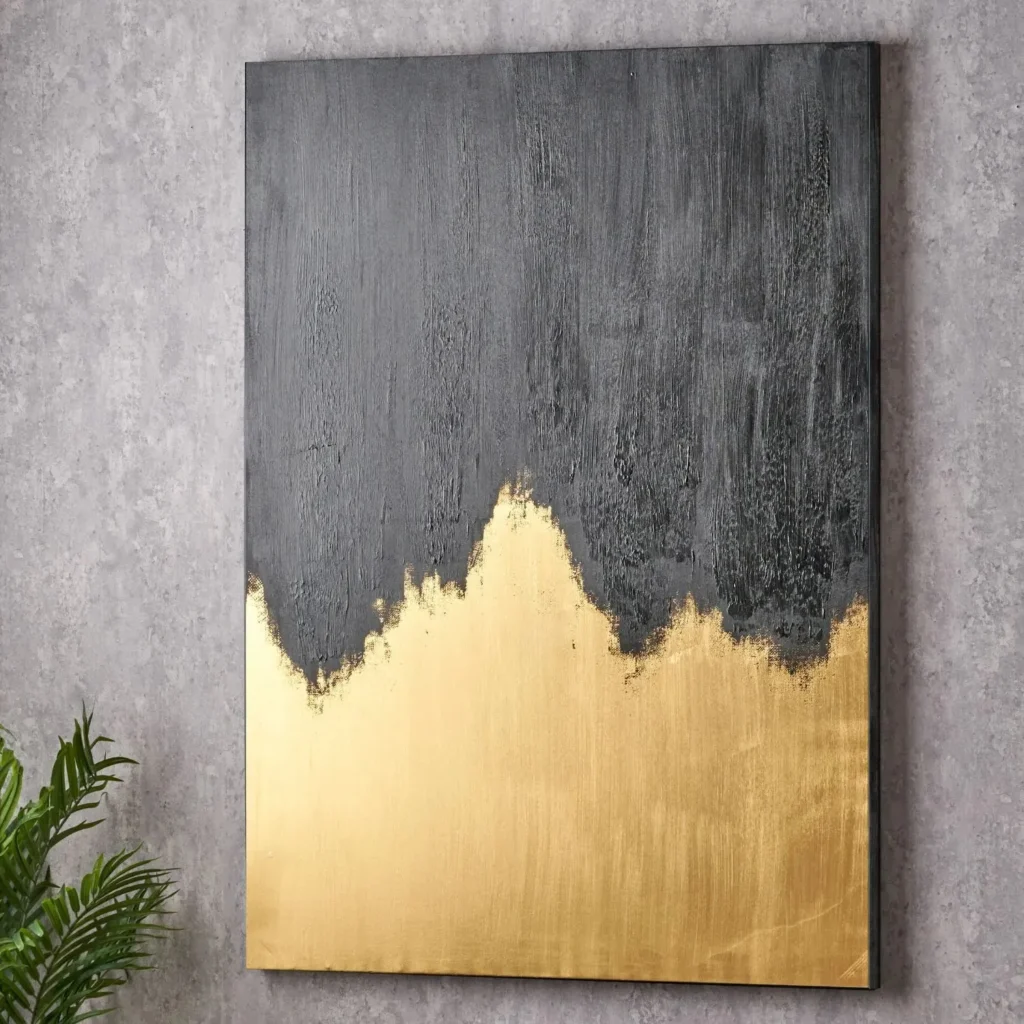
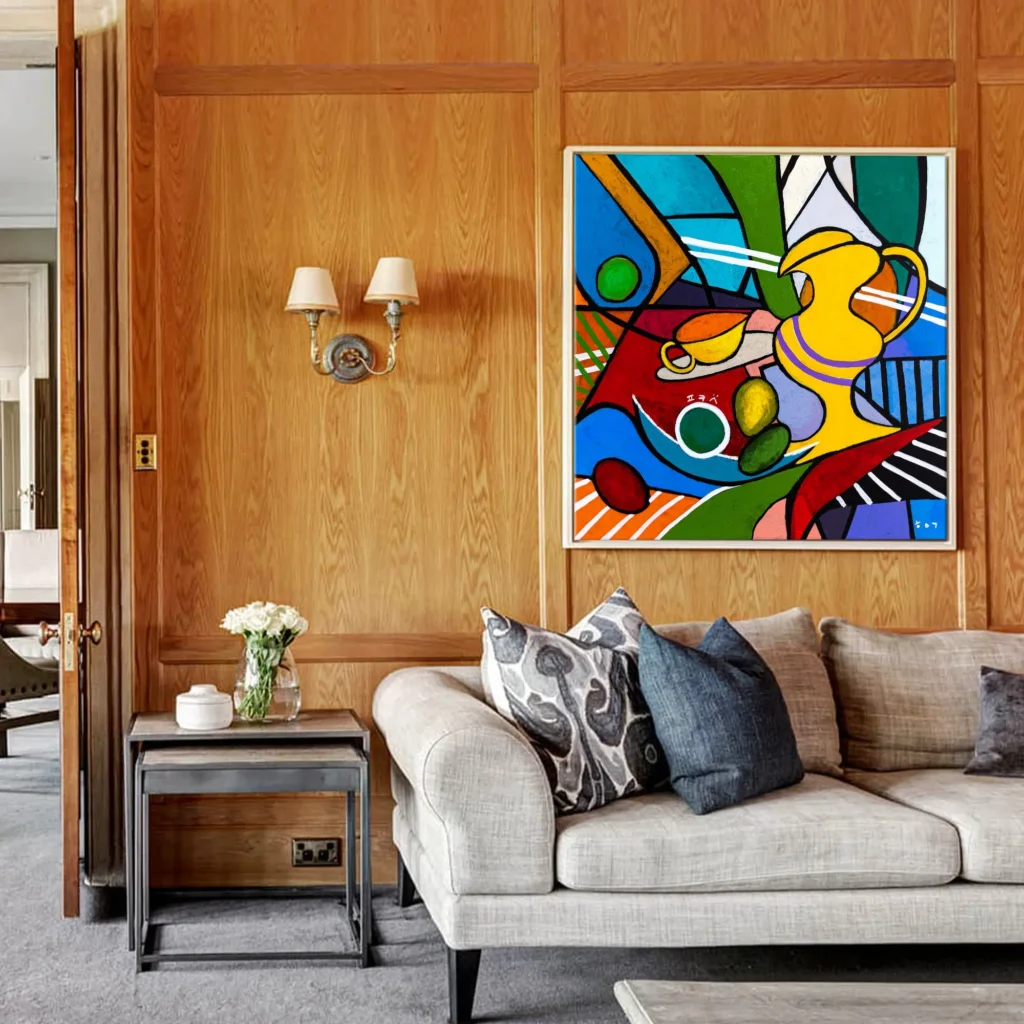
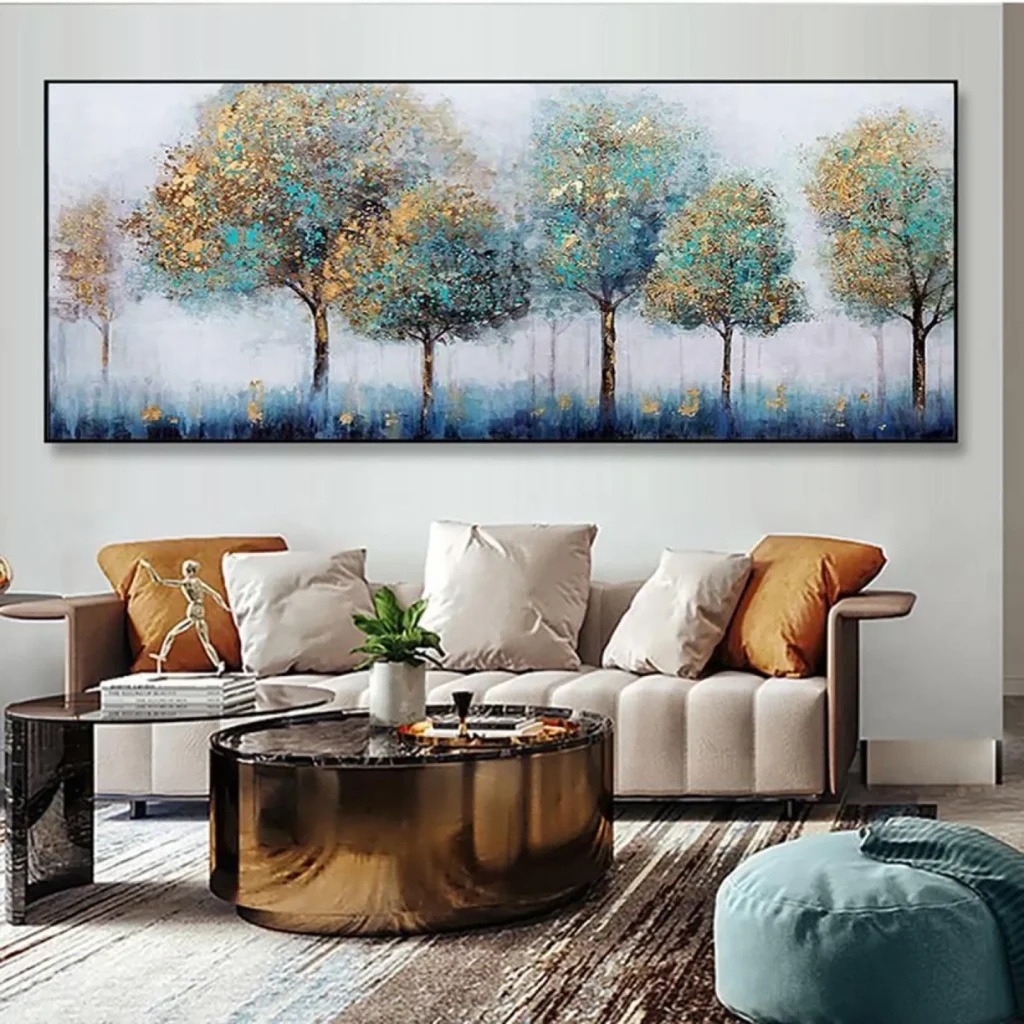
What Makes Abstract Art Unique in Interior Design
Abstract wall art differs from traditional artwork because it focuses on visual interpretation rather than literal representation. Instead of depicting landscapes, portraits, or objects, abstract paintings rely on shapes, color gradients, brush strokes, and textures to evoke emotion and visual interest.
Movements like Abstract Expressionism and Modern Art helped shape this style, making it a central element in contemporary interior design. Today, abstract wall décor is widely used in modern homes because it allows homeowners to interpret the art in their own way.
In interior styling, abstract art functions as both a decorative element and a statement piece. It can introduce contrast into minimalist spaces, reinforce a color palette in a room, or act as the focal point that draws attention when someone enters the room.
Because abstract art is open to interpretation, it adapts easily to different design aesthetics including minimalist, contemporary, Scandinavian, and modern interiors.
Why Abstract Wall Art Works in Any Home
Abstract art is flexible and doesn’t follow strict design rules. That’s what makes it perfect for every room in your house.
- In the living room, it can be a bold statement that draws attention.
- In the bedroom, it adds calmness and personality.
- In the office, it inspires focus and creativity.
From neutral tones to bright colors, from soft brushstrokes to bold geometric patterns, modern abstract canvas wall art works beautifully across all spaces.
Abstract Art Complements Different Interior Styles
One of the biggest advantages of abstract wall art is its ability to fit seamlessly into almost any design theme. Whether your home follows a modern minimalist aesthetic, industrial design, Scandinavian simplicity, or contemporary luxury, abstract artwork can enhance the visual balance of the space.
For example, minimalist interiors often rely on neutral color palettes and clean lines. In such spaces, a bold abstract canvas with vibrant colors can create a dramatic focal point. On the other hand, in colorful or eclectic interiors, subtle abstract pieces can bring harmony and balance to the room.
Abstract art also introduces movement and depth through layered brush strokes and textures. These artistic elements help break the monotony of plain walls while maintaining the elegance and sophistication of the room.
Step 1: Choose Art That Matches Your Home’s Mood
Before choosing a painting, think about the feeling you want the room to have. Each color and pattern gives a different emotion:
- Soft and calming: Choose pastel or neutral-colored abstract wall art for the bedroom to create a peaceful mood.
- Bold and energetic: Go for colorful and dynamic abstract wall art for the living room to make the space vibrant and welcoming.
- Focused and modern: Select clean, structured abstract wall art for office that motivates you to think clearly and creatively.
Matching the mood is key; your art should reflect how you want to feel in that space.
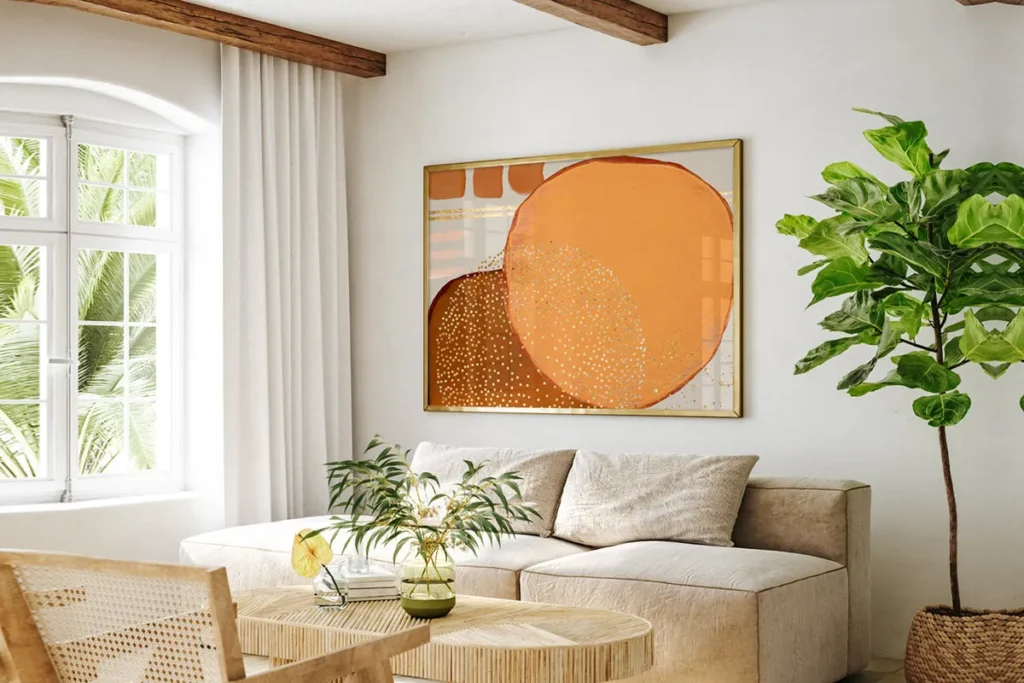
Understanding Emotional Impact of Abstract Art
Art influences how a space feels. The mood of a room can change dramatically depending on the colors, patterns, and composition of the artwork.
For example:
- Soft pastel abstract paintings create a calm and relaxing environment.
- Bold geometric abstract pieces add energy and modern appeal.
- Monochrome artwork enhances minimalist interiors.
When selecting abstract wall art for your living room or bedroom, consider the emotional atmosphere you want to create. Living rooms often benefit from dynamic or expressive artwork, while bedrooms usually work better with softer, calming compositions.
Step 2: Match Colors with Furniture and Décor
Your wall art doesn’t need to match your furniture perfectly but it should complement it.
Here’s how to do it easily:
- Look at the main colors in your furniture, rugs, or curtains. Choose art with similar shades or one that contrasts beautifully.
- For neutral rooms (like white or beige walls), add a pop of color with modern abstract canvas wall art reds, blues, or yellows can liven things up.
- If your furniture already has bright colors or patterns, go for simpler or monochrome abstract pieces.
The goal is balance. You want the art to stand out, not clash or disappear.
Using Interior Color Theory When Choosing Art
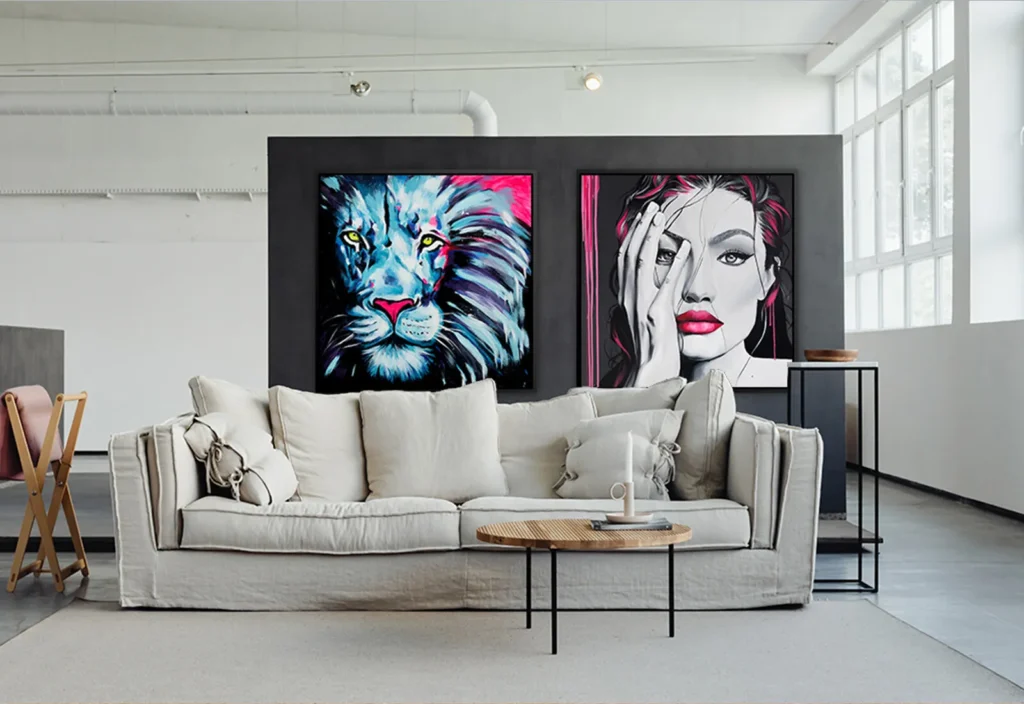
Color coordination is one of the most important aspects of choosing wall art. The artwork should either complement the existing color palette or intentionally contrast it to create visual interest.
Interior designers often follow the 60-30-10 rule:
- 60% dominant color (walls and large furniture)
- 30% secondary color (decor and textiles)
- 10% accent color (artwork and accessories)
Abstract wall art works best when it reflects one or more of these colors. For example, if your living room includes beige furniture and blue accent pillows, a painting with similar tones can tie the entire room together.
Step 3: Pick the Right Size for Your Wall
Choosing the right size is just as important as picking the right design.
- For large walls, go for large abstract wall art for the living room to make a bold impression.
- For small rooms, pick medium or smaller pieces that don’t overwhelm the space.
- For a balanced look, keep art at eye level around 57 to 60 inches from the floor.
If you’re hanging art above a sofa or bed, the width of your artwork should be about two-thirds the width of the furniture. That’s the perfect visual balance.
Understanding Scale and Proportion
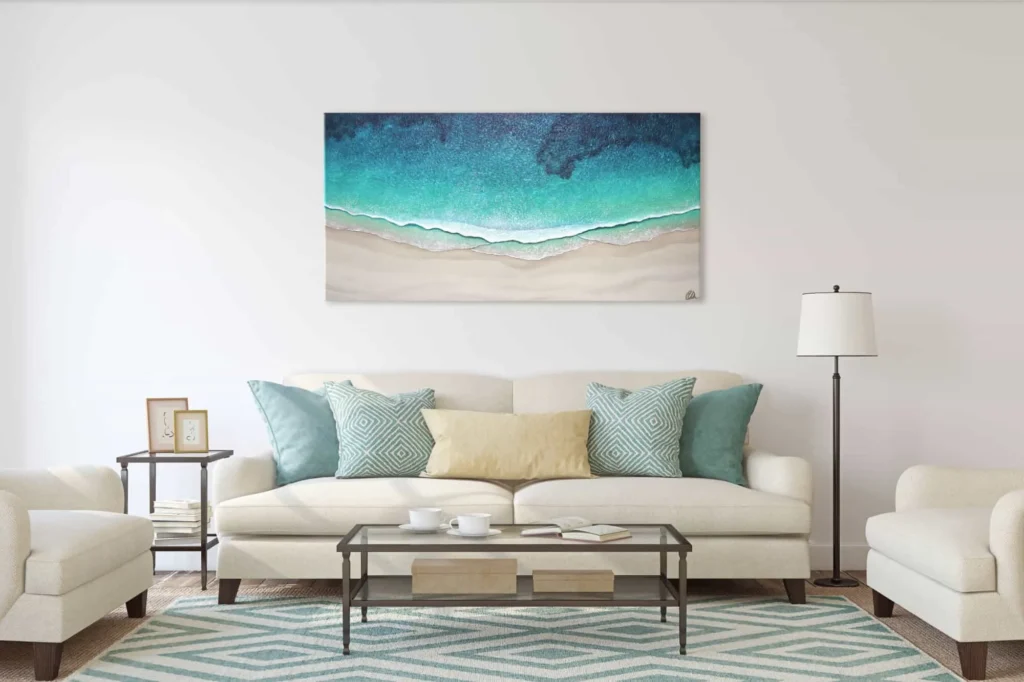
Scale and proportion are critical in wall décor. A small painting on a large wall may look insignificant, while oversized artwork in a small room can overwhelm the space.
Interior designers recommend that artwork above a sofa should cover about two-thirds of the sofa’s width. Large abstract canvas prints often work best in living rooms because they create a striking focal point.
If your wall space is limited, consider creating a gallery wall with multiple smaller abstract prints. This approach allows you to experiment with different colors, shapes, and textures while maintaining visual harmony.
Step 4: Abstract Wall Art for Living Room
Your living room is often the heart of your home, the place where guests gather and conversations flow. That’s why abstract wall art for the living room should be expressive and inviting.
Here are some ideas:
- Use large modern abstract canvas wall art as the focal point above the sofa or fireplace.
- Combine two or three smaller abstract pieces for a gallery-style wall.
- Choose bold patterns and colors that reflect your style and energy.
Don’t be afraid to experiment. The living room is the best place to show your artistic side and make a statement.
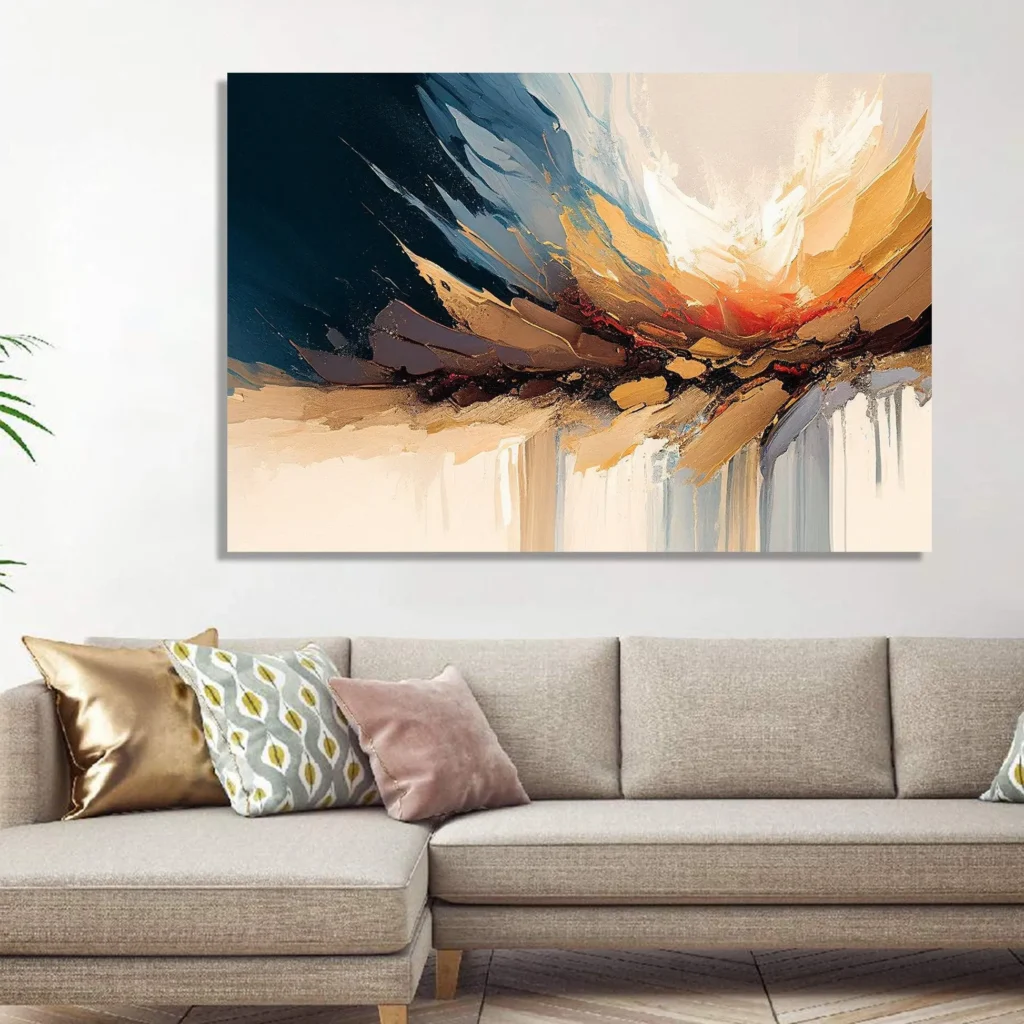
Creating a Focal Point in the Living Room
The living room is typically the central gathering space in a home, which means the artwork displayed here should feel impactful and expressive.
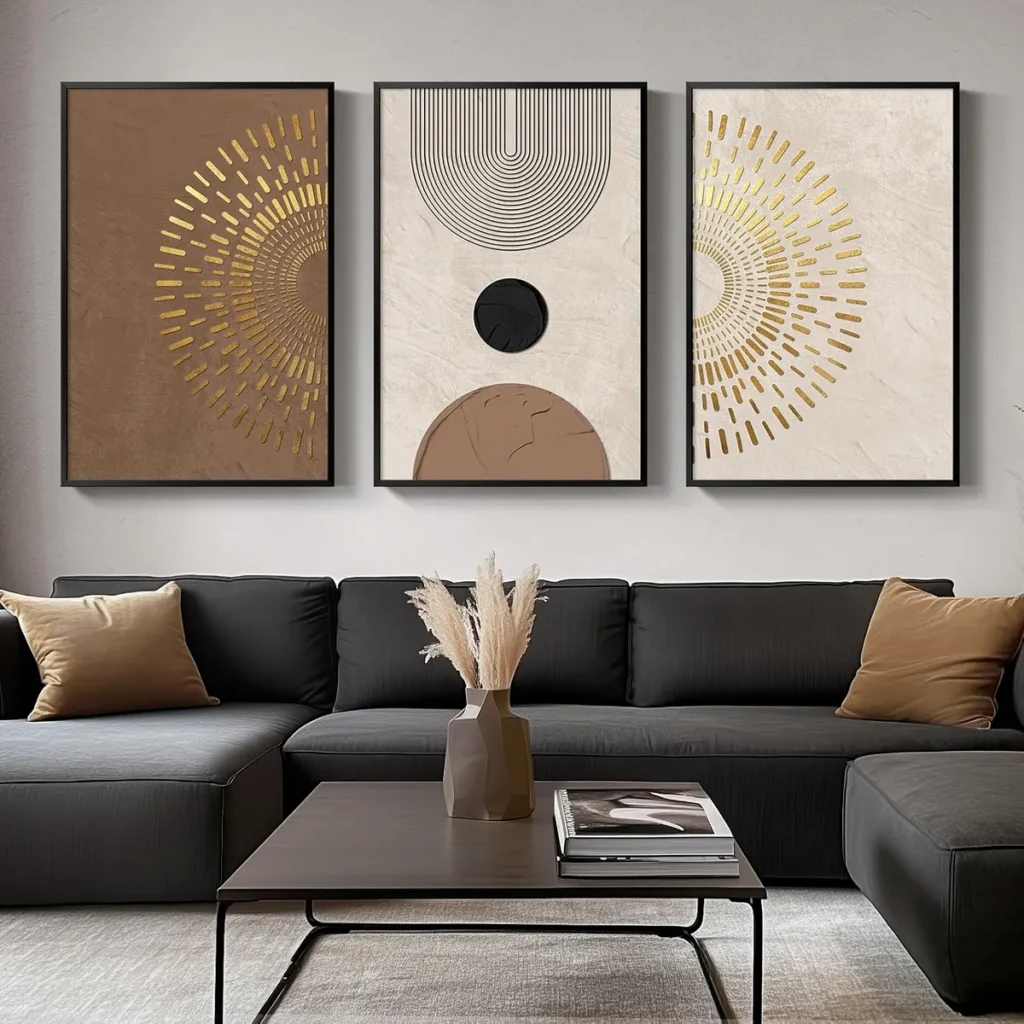
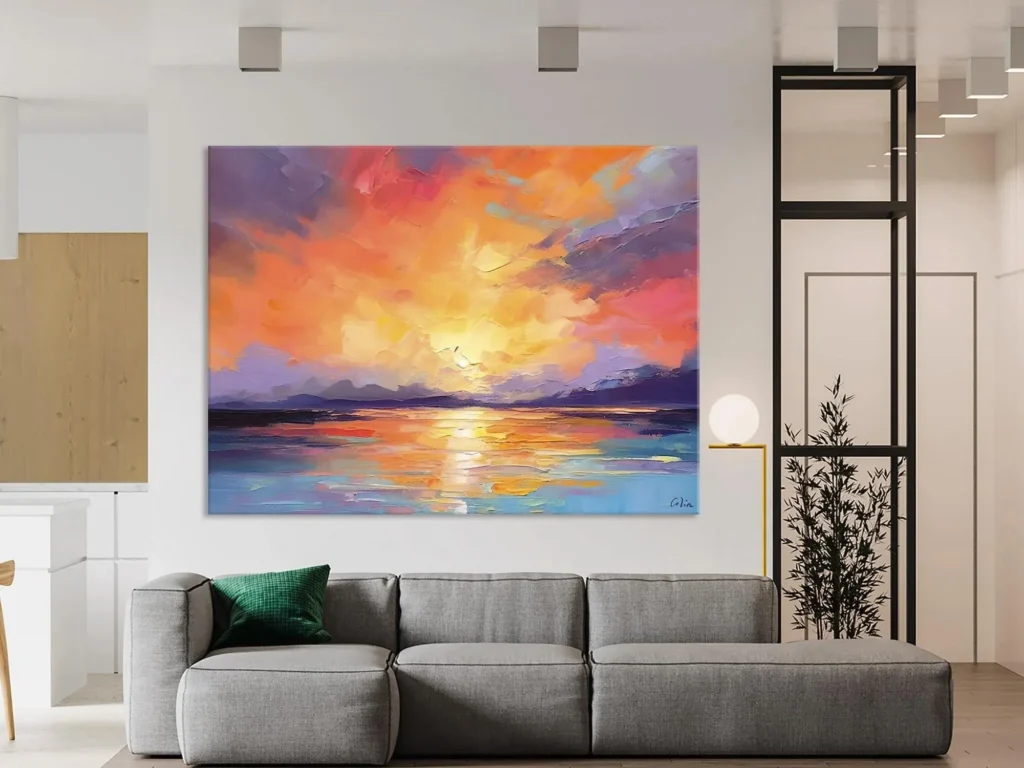
Large abstract paintings are often used as statement pieces above sofas, fireplaces, or feature walls. These artworks anchor the room visually and draw attention immediately.
When selecting abstract wall art for a living room, consider:
- the size of the wall
- the layout of the furniture
- the color palette of the room
- the lighting conditions
A well-chosen piece can elevate the entire aesthetic of the space.
Step 5: Abstract Wall Art for Bedroom
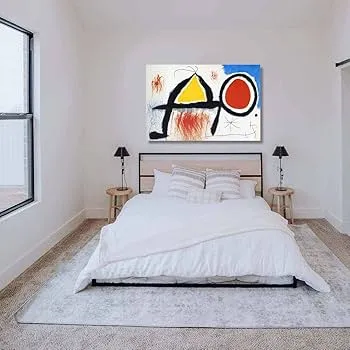
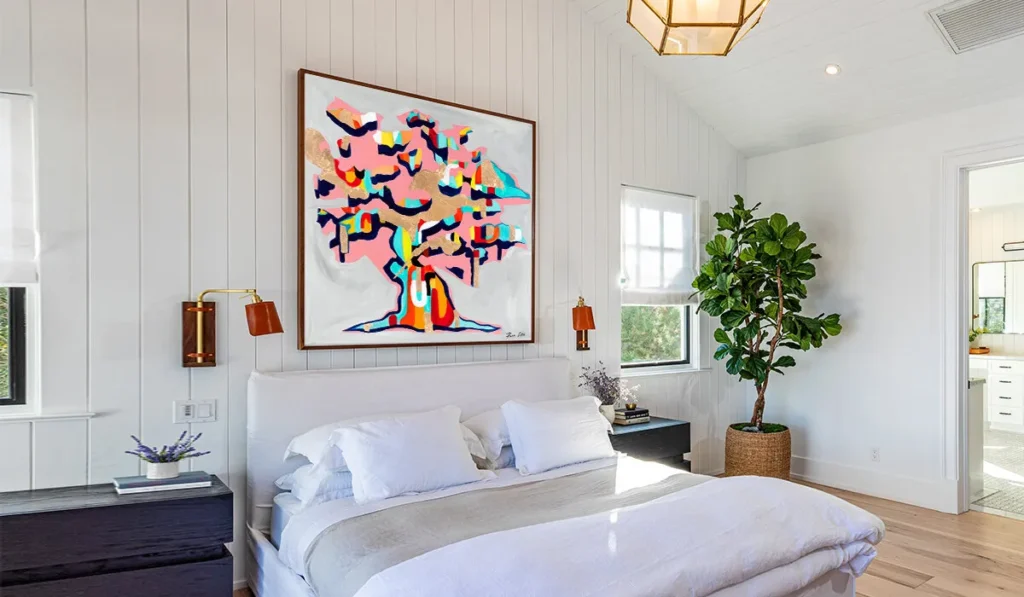
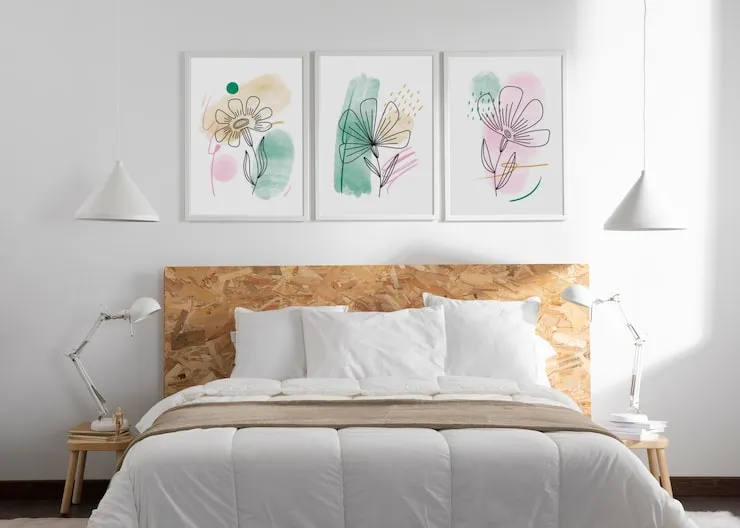
Your bedroom should feel peaceful and personal. The right art can set the tone for relaxation and comfort.
When selecting abstract wall art for bedroom, consider:
- Soft colors: Blues, greens, and beige tones bring calm energy.
- Gentle patterns: Flowing lines or blended colors create a soothing atmosphere.
- Balanced placement: Hang art above the headboard or across from your bed for the best view.
Avoid overly bright or high-contrast pieces; bedrooms are your calm zones. Choose art that makes you feel relaxed the moment you walk in.
Step 6: Abstract Wall Art for Office
Your office, whether at home or in a workplace, deserves creativity too. Art can make your workspace inspiring and professional.
- For a sleek and modern setup, go with abstract wall art for the office that features geometric lines or neutral tones.
- Want more motivation? Choose art with bold strokes and warm colors: reds, yellows, and oranges boost focus and energy.
- If you host clients, abstract art can give a polished, creative impression.
Good art can change how you feel about your workday. It keeps the mind alert and the space uplifting.
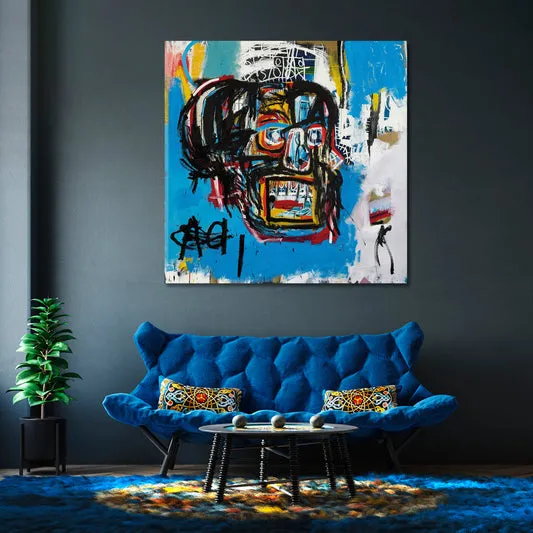
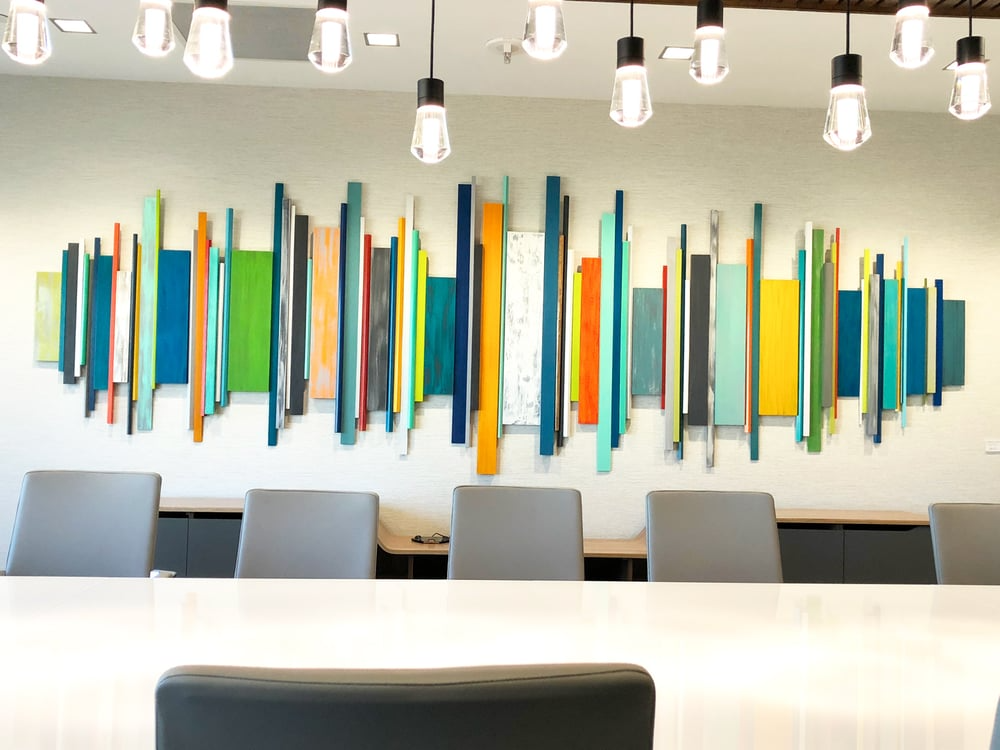
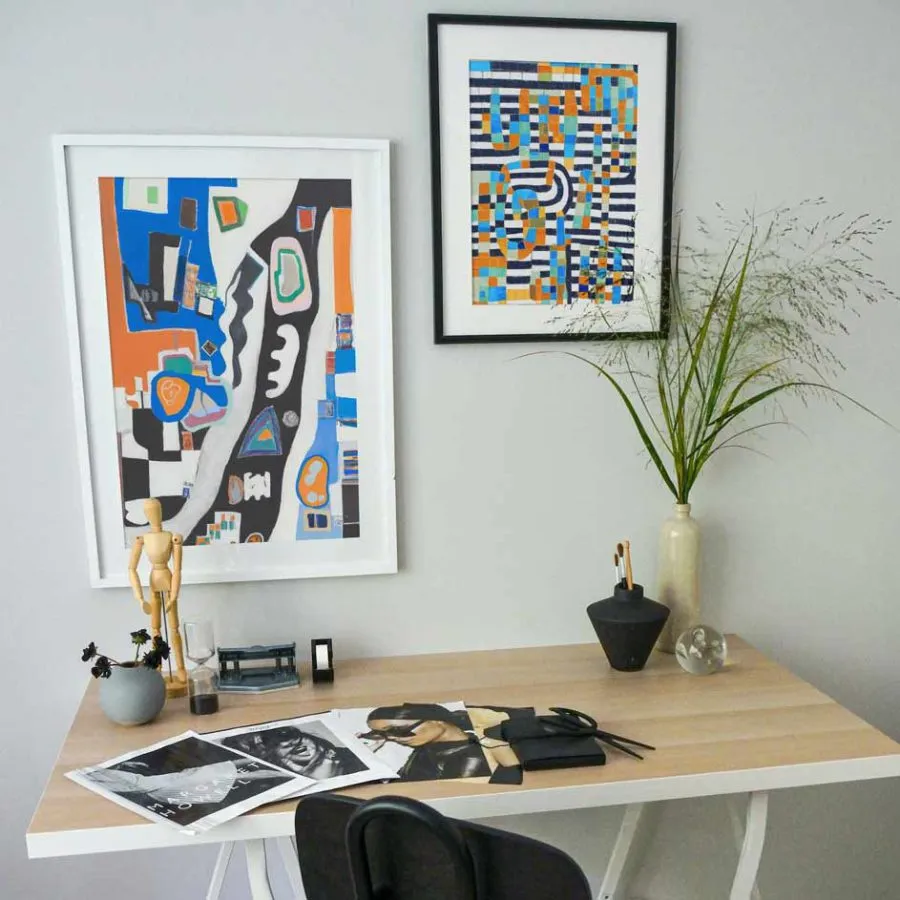
Step 7: Mixing and Matching Abstract Art
Who says you have to stick to one piece? Mixing multiple artworks can create a dynamic and personalized feel.
- Combine different sizes one large centerpiece with smaller matching ones.
- Stick to a similar color palette to maintain balance.
- Use modern abstract canvas wall art for consistency in texture and depth.
Creating a gallery wall with abstract pieces adds character and movement to your home while still feeling cohesive.
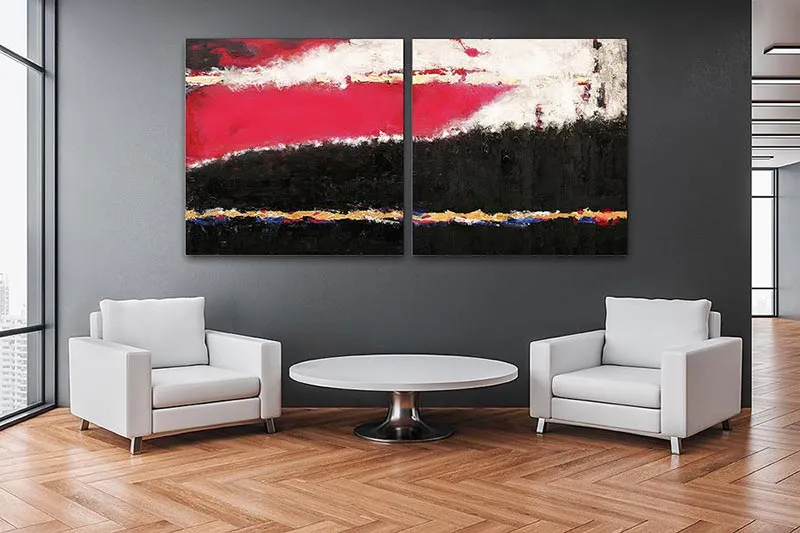
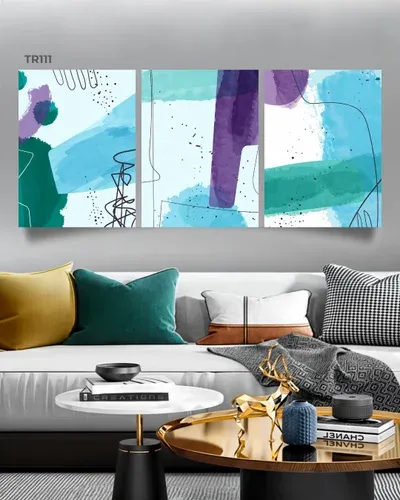
Step 8: Choose Between Canvas and Framed Prints
When shopping for abstract art, you’ll notice two main types: canvas and framed prints. Both have unique benefits.
- Canvas wall art: Feels textured, real, and painterly. Great for modern or minimal décor.
- Framed art: Adds structure and a formal look, perfect for traditional interiors.
For a fresh, modern vibe, go with modern abstract canvas wall art. It blends simplicity with sophistication, making your walls come alive.
Step 9: Lighting and Placement Matter
Even the most beautiful artwork needs good lighting to shine.
- Use soft white or warm light to enhance colors.
- Avoid direct sunlight to prevent fading.
- If possible, use a spotlight or wall-mounted light above the painting.
Good lighting brings out the textures, shades, and movement in your modern abstract canvas wall art, making it a true centerpiece.
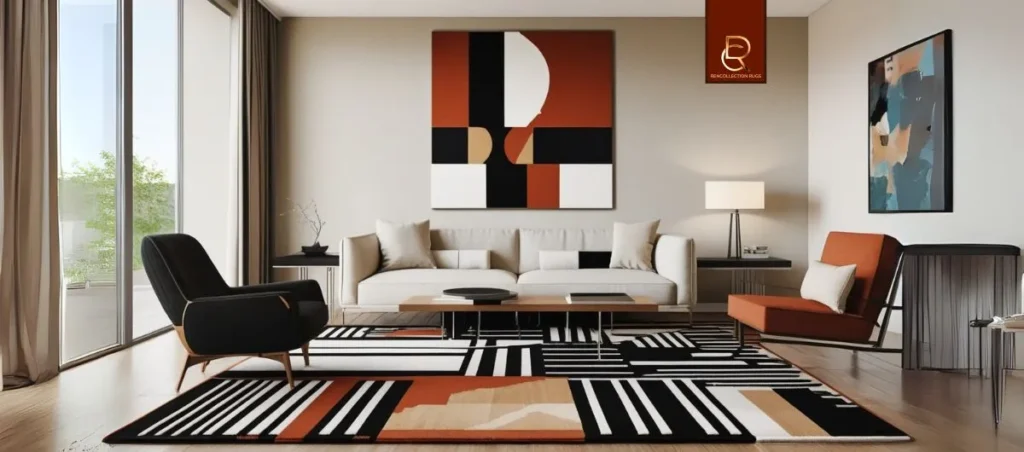
Step 10: Let Your Personality Guide You
There’s no single “right” abstract painting for your home. Art is personal what matters most is what speaks to you.
If a piece makes you feel calm, happy, or inspired, that’s the right choice.
Your home should reflect who you are, and abstract wall art for bedroom, living room, or office helps you do exactly that.
It’s less about matching everything perfectly and more about creating a space that feels truly yours.
Why Abstract Art Is Always in Style
Trends come and go, but abstract art stays timeless.
- It’s flexible and fits every design era, from vintage to modern.
- It’s emotional; it connects to feelings rather than visuals.
- It’s endless no two pieces are ever the same.
That’s why modern abstract canvas wall art remains a favorite for decorators and homeowners alike.
Common Mistakes When Choosing Abstract Wall Art
Selecting abstract wall art for your living room or home décor may seem simple, but several common mistakes can prevent the artwork from achieving the desired visual impact. One of the most frequent issues is choosing artwork that is too small for the wall. When a piece lacks proper scale and proportion, it can look disconnected from the rest of the interior design. Large walls typically benefit from oversized abstract paintings or multiple pieces arranged as a gallery wall to create visual balance.
Another mistake is ignoring the existing color palette of the room. Abstract art does not necessarily need to match the furniture perfectly, but it should still complement the overall interior styling. A painting that includes accent colors already present in the room such as tones from cushions, rugs, or curtains helps create harmony and cohesion in the space.
Poor placement is also a common issue in wall décor design. Artwork placed too high or too low can disrupt the visual flow of a room. Interior designers often recommend hanging art so the center of the piece sits roughly at eye level. This ensures the artwork becomes a natural focal point within the room rather than an awkward decorative element.
Finally, overcrowding walls with too many decorative elements can diminish the impact of abstract art. Instead of filling every available space, allow the artwork room to breathe. Minimalism and intentional spacing often enhance the elegance of contemporary interiors and allow the artwork to stand out as a statement piece.
Tips from Interior Designers for Selecting Abstract Art
Interior designers approach abstract wall art as an essential component of overall home aesthetics rather than simply decorative filler. One of the most effective strategies professionals use is identifying a focal point within the room. In many living rooms, this focal point may be the wall above the sofa, a fireplace mantel, or a prominent feature wall. A well-chosen abstract canvas placed in this location immediately anchors the space and draws the viewer’s attention.
Another important tip is to consider the relationship between artwork and surrounding textures. Modern interior design often incorporates materials such as wood, metal, marble, and soft fabrics. Abstract art can enhance these textures by introducing contrasting elements like expressive brush strokes, layered paint effects, or geometric patterns. This interplay between artwork and interior materials adds depth and dimension to the space.
Professional stylists also recommend considering the emotional tone of the artwork. Abstract paintings can communicate different moods depending on their composition. Bold colors and energetic brushwork can add vibrancy to social spaces like living rooms, while softer abstract forms and muted tones can create a calm and relaxing atmosphere in bedrooms.
Finally, designers emphasize the importance of personal connection when selecting art. While trends in contemporary art and minimalist décor may influence choices, the most successful interiors include artwork that reflects the homeowner’s personality and taste. Art that resonates emotionally tends to remain meaningful even as design trends evolve.
How to Create a Gallery Wall with Abstract Art
A gallery wall is one of the most creative ways to incorporate multiple pieces of abstract wall art into a living room or home décor scheme. Rather than displaying a single painting, a gallery wall combines several artworks to create a visually dynamic arrangement that adds personality and artistic depth to the space.
There are several popular layout approaches used in interior styling. The grid layout offers a clean and structured appearance, where artwork is arranged in evenly spaced rows and columns. This approach works particularly well in modern and minimalist interiors because it emphasizes symmetry and visual order.
Another approach is the salon-style arrangement, where artworks of different sizes are displayed together in a more organic composition. This layout creates an eclectic and expressive aesthetic, making it ideal for homeowners who enjoy mixing colors, textures, and artistic styles.
A linear arrangement is another effective technique, where artwork is aligned horizontally or vertically along a central axis. This style works well above furniture such as sofas or console tables and helps maintain balance within the room’s layout.
When creating a gallery wall, it is important to maintain consistency in certain elements such as color tones, frame styles, or artistic themes. Even when the artworks vary in size or composition, these shared elements help unify the display and prevent it from appearing chaotic.
Lighting also plays a significant role in highlighting a gallery wall. Accent lighting or directional spotlights can enhance the colors and textures within abstract paintings, ensuring the artwork remains a prominent design feature in the room.
A thoughtfully arranged gallery wall not only fills empty wall space but also transforms it into an expressive visual centerpiece that reflects creativity and personal style.
Frequently Asked Questions
How to select wall art for a living room?
Selecting wall art for a living room starts with understanding the room’s overall style, color palette, and furniture layout. Choose artwork that complements the existing décor while also creating a focal point on the wall. Abstract wall art is often a great choice because it blends easily with modern interior design and adds visual interest through colors, shapes, and textures.
What is the 70/30 rule in art?
The 70/30 rule in art and interior décor refers to balancing dominant and accent elements within a space. Around 70% of the room should feature the main style or color theme, while the remaining 30% can introduce contrast through decorative pieces like abstract paintings, statement artwork, or textured wall décor. This balance helps maintain visual harmony while keeping the space interesting.
What is the 2/3 rule for walls?
The 2/3 rule for wall art suggests that artwork placed above furniture such as a sofa or console table should cover about two-thirds of the furniture’s width. This proportion creates proper scale and visual balance between the furniture and the artwork, ensuring the piece looks intentional rather than too small or overwhelming for the space.
What is the rule for wall art in a living room?
A common rule for wall art placement in a living room is to hang artwork at eye level, usually around 57–60 inches from the floor to the center of the piece. This positioning ensures the artwork is easily visible and naturally becomes part of the room’s focal point. Proper spacing, balanced proportions, and thoughtful placement help wall art enhance the overall aesthetic of the living room.
Final Thoughts
Abstract art isn’t just decoration, it’s expression. Whether it’s abstract wall art for living room, a calm piece in your bedroom, or an inspiring print in your office, each one tells a different story.
When you choose art with your heart, match colors wisely, and size it right, you create a home that feels complete full of creativity, warmth, and meaning.
So take your time, explore, and find the abstract wall art that speaks to your soul. Because when art connects with you, it transforms your walls and your home into something truly unforgettable.