
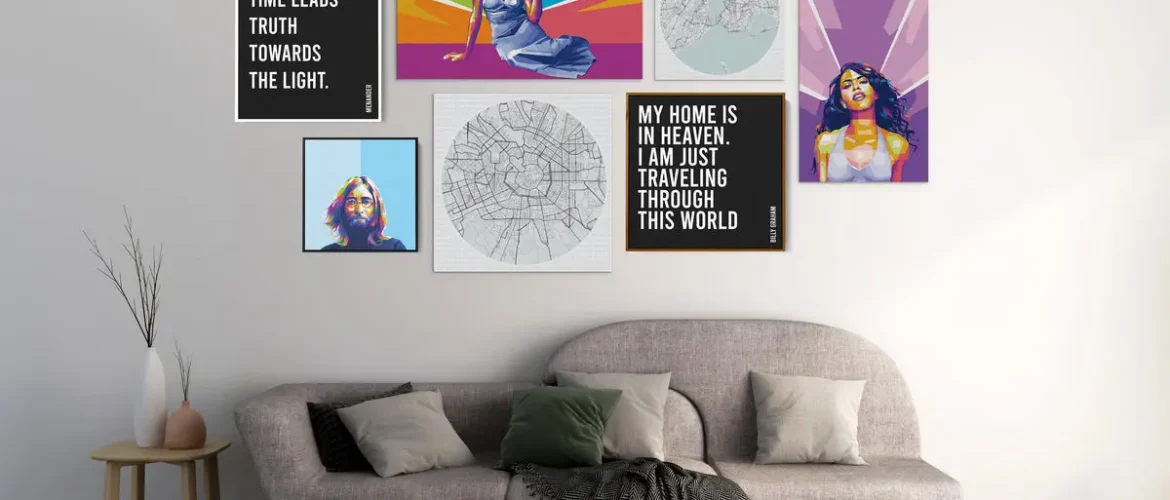
Decorating your walls can completely change how your home feels. Two of the most loved choices today are framed wall art and canvas prints. Both add color, style, and personality to any room, but each brings something unique. The question is which one suits your home best?
In this article, we’ll explore the key differences between framed and canvas art. You’ll learn about their styles, textures, and durability, and how to decide which one fits your space, personality, and budget.
Why This Comparison Matters for Modern Home Décor.
In today’s interior design world, wall art is no longer just decoration it’s a statement piece that defines the mood of a room. With the rise of minimalist interiors, open-concept spaces, and personalized home styling, homeowners are increasingly deciding between canvas prints and framed wall art.
While both options enhance visual appeal, they serve different aesthetic and practical purposes. Framed wall art often delivers a structured, gallery-inspired elegance, while canvas prints lean toward a clean, contemporary, and texture-rich appearance. Understanding these differences helps you invest wisely in artwork that complements your space, lifestyle, and long-term décor goals.
1. The Classic Charm of Framed Wall Art
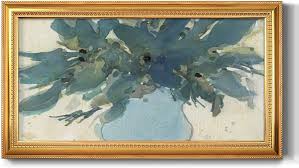
There’s something timeless about framed wall art. From family portraits to landscape paintings, frames add structure and elegance. They make a piece look complete and give it a polished, gallery-like finish.
Frames come in many materials: wood, metal, or acrylic and you can match them to your décor. A dark wooden frame adds warmth to traditional rooms, while sleek metallic frames bring a modern touch.
Many homeowners love using framed wall art for living room décor because it gives a room a balanced, sophisticated look. The frame separates the artwork from the wall, creating a clear visual boundary that draws the eye.
Frame Materials and Finishing Options
One of the biggest advantages of framed wall art is customization. Frames come in a wide variety of materials, including solid wood (oak, walnut, black, white), metal finishes, and modern floating frames. The frame itself becomes part of the design, either blending subtly into the room or making a bold contrast.
Matting options further enhance presentation by adding depth and visual breathing space between the artwork and the frame. This layered structure often creates a refined, gallery-style look that works beautifully in formal interiors.
Glass vs. Acrylic Glazing – What’s the Difference?
Framed art typically includes protective glazing either glass or acrylic. Glass provides scratch resistance and a premium feel, while acrylic is lighter and shatter-resistant, making it safer for homes with children or high-traffic areas.
Many modern frames also include UV-protective glazing, which helps prevent fading over time. This makes framed wall art a strong option for preserving valuable prints or sentimental photographs.
Best Interior Styles for Framed Wall Art
Framed pieces naturally complement:
- Traditional interiors
- Transitional homes
- Formal dining rooms
- Home offices
- Entryways
If your décor leans toward structured furniture, rich textures, and layered design elements, framed art reinforces that polished aesthetic.
2. The Modern Edge of Canvas Prints
Canvas prints have become one of the most popular choices for modern homes. They don’t have frames; instead, the image wraps around wooden stretcher bars. This frameless look feels clean, bold, and contemporary.
Unlike framed art, canvas prints are lightweight and easy to hang. They blend well with any color palette and can make a small space feel more open. Many people choose canvas art when they want something minimal yet eye-catching.
While framed wall art looks classic and defined, canvas prints feel more modern and relaxed perfect for open spaces and casual interiors.

What Is a Gallery Wrap Canvas?
Most canvas prints use a technique called a gallery wrap, where the image extends around the edges of the wooden stretcher bars. This eliminates the need for a frame and creates a seamless, contemporary presentation.
Gallery wrap canvases offer clean lines and uninterrupted visual flow, making them ideal for modern and minimalist interiors.
Canvas Material Types
Not all canvases are created equal. Higher-quality options often use 100% cotton canvas, known for durability and rich color absorption. Polyester blends are more budget-friendly but may not offer the same archival longevity.
Premium canvas prints also use fade-resistant inks, which help preserve vibrancy for years.
Framed Canvas vs. Unframed Canvas
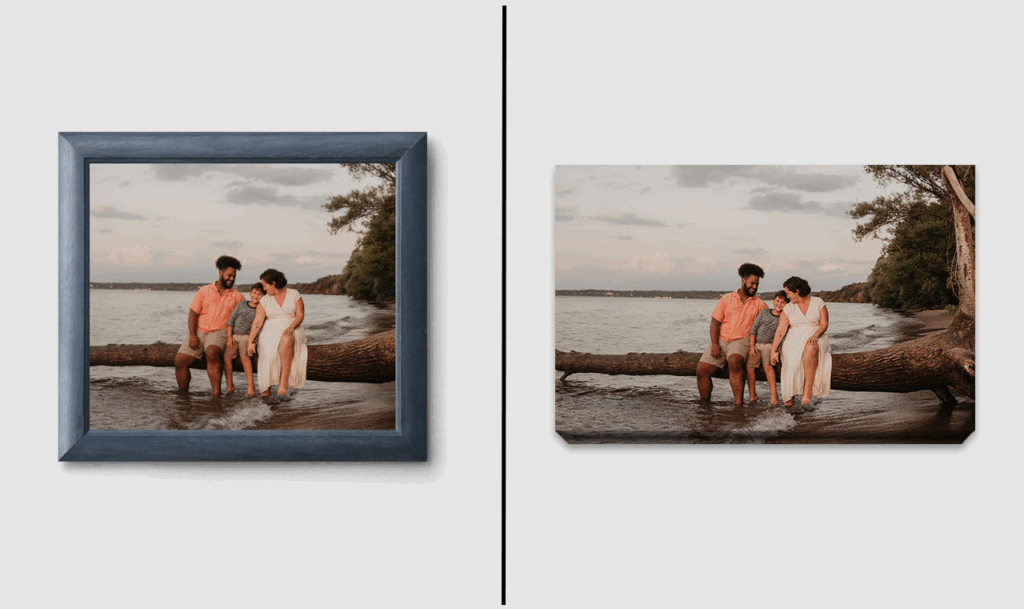
For homeowners who want the depth of canvas but a more finished look, framed canvas prints (often called floating frame canvases) provide the best of both worlds. The canvas appears slightly separated from the outer frame, adding dimension without glass glare.
3. Comparing Style and Texture
When it comes to style, the biggest difference lies in the texture. Canvas has a slightly rough, fabric-like surface that adds depth and character to the image. It mimics real paintings and gives a handmade, artistic vibe.
Framed pieces, on the other hand, are smooth and glossy. They often use paper or photographic prints protected by glass. This creates a more formal, refined appearance ideal for offices or living rooms.
If your home décor is cozy and classic, go for vintage framed wall art. It adds a nostalgic charm and looks beautiful in spaces with wooden furniture or antique pieces. If your décor leans modern, a frameless canvas or modern framed wall art will suit better.

Visual Impact in Different Lighting Conditions
Lighting plays a crucial role in how wall art appears. Framed prints with glass can sometimes reflect light, especially in bright rooms with large windows. Canvas prints, on the other hand, offer a matte surface that minimizes glare.
If your room receives strong natural light, canvas may provide better visibility throughout the day.
Texture vs. Smooth Finish – Which Feels More Premium?
Canvas delivers a textured, painterly feel that adds warmth and softness to a room. Framed prints, especially those on fine art or photographic paper, provide a smooth and crisp finish.
Choosing between texture and smoothness depends on whether you want an artistic ambiance or a clean, refined presentation.
Minimalist vs. Statement Interiors
Canvas prints often align with Scandinavian, industrial, or bohemian interiors, where simplicity and bold visuals dominate. Framed art fits better in statement interiors that emphasize structure, symmetry, and classic detailing.
4. Durability and Maintenance
Both options are durable, but in different ways.
Framed wall art is protected by glass or acrylic, which shields it from dust and scratches. However, it’s also heavier and needs careful handling when moving. Glass frames can break if dropped, so they’re better for places where they won’t be bumped often.
Canvas prints are lighter and easier to move. High-quality canvas with UV-resistant ink can last for decades without fading. They don’t need glass protection, so there’s no glare or reflection just pure, vibrant color.
If you like rearranging your home décor often, canvas might be more convenient. But if you want a piece that feels solid and secure, framed wall art wins.
Protection Against Sunlight and UV Damage
Both formats can resist fading when produced with high-quality inks. However, framed art with UV-protective glass adds an extra layer of defense against direct sunlight.
Canvas prints rely primarily on ink quality and protective coatings for longevity.
Humidity and Moisture Considerations
In humid environments, framed art with sealed backing offers more protection. Canvas prints may be more vulnerable to moisture unless properly coated.
Avoid hanging either type in bathrooms or areas with excessive humidity.
Longevity Comparison – Which Lasts Longer?
When properly maintained, both options can last decades. Archival-quality materials, UV-resistant inks, and protective glazing all extend lifespan. The key difference lies in exposure protection framed art offers an added barrier.
5. Cost and Affordability
Price can be another deciding factor.
Canvas prints are generally more affordable because they don’t need framing or glass. They’re also easier to ship and hang. You can find beautiful large prints at a fraction of the cost of a framed piece.
Framed art, however, offers that extra sense of luxury. Custom framing can be pricey, but it adds long-term value to the artwork. Whether you choose modern framed wall art or a traditional style, you’ll notice how the frame enhances the art’s overall look.
What Affects the Price of Framed Wall Art?
Framed art costs vary based on:
- Frame material
- Custom sizing
- Matting layers
- Glass or acrylic quality
- Craftsmanship
Custom framing can significantly increase pricing, especially for large pieces.
Why Canvas Prints Are Often More Budget-Friendly
Canvas prints skip glass and complex framing, reducing production costs. They are also lighter to ship, which lowers overall expense.
For large walls on a budget, canvas offers strong visual impact without high framing costs.
Long-Term Value Considerations
While canvas may be cheaper upfront, framed art may offer better long-term preservation for valuable or collectible prints.
6. Wall Art Frame Sizes and Room Proportion
Choosing the right wall art frame sizes makes a huge difference in how your décor feels.
For framed wall art for the living room, go for larger pieces around 24×36 inches or more. They create a strong focal point above sofas, fireplaces, or sideboards.
Medium-sized frames (16×20 or 18×24 inches) are ideal for bedrooms, hallways, or offices. You can even group smaller frames together for a gallery wall effect.
When mixing vintage framed wall art with modern pieces, keep at least 2–3 inches of space between each frame. This spacing helps each artwork breathe and maintains balance on your wall.
How to Choose the Right Size for Your Wall
A helpful guideline is to select artwork that covers about 60–75% of the width of the furniture below it. For example, a sofa that is 80 inches wide pairs well with art around 48–60 inches wide.
Large Statement Pieces vs. Gallery Walls
Canvas prints work exceptionally well as oversized statement pieces. Framed prints are often ideal for gallery wall arrangements, where multiple pieces create a cohesive story.
Multi-Panel Canvas Layout Options
Triptych (three-panel) and five-panel layouts create dramatic impact on large blank walls and are especially popular in modern living rooms.
7. When to Choose Framed Over Canvas
So, when is framed better than canvas?
- If your home has a classic, formal, or vintage design.
- When you want extra protection for delicate prints or photos.
- If you prefer the polished, traditional look of a bordered artwork.
Framed art also works best in rooms where you want to make a statement like dining rooms, home offices, or hallways. A bold modern framed wall art piece can serve as the centerpiece of your décor.

High-Traffic or Formal Areas
Choose framed art in entryways, offices, or dining rooms where structure and durability matter.
Valuable or Delicate Prints
If you are displaying professional photography, certificates, or limited-edition artwork, framing provides additional protection and longevity.
8. When to Choose Canvas Over Framed Art
Canvas prints shine in modern, minimalist, or creative spaces. They’re ideal for bedrooms, studios, and open living areas.
Choose canvas when you:
- Prefer a frameless, contemporary look.
- Need something lightweight and easy to move.
- Want a large artwork that’s budget-friendly.
Canvas is also great for kids’ rooms or rented homes since it’s durable and simple to hang.
Large Open Walls That Need Impact
Canvas excels in large living rooms or open-concept homes where bold visuals create focal points.
Casual and Creative Spaces
Bedrooms, studios, and creative spaces benefit from the softer, more artistic presence of canvas prints.
Rooms With Glare Issues
If you have bright windows or overhead lighting, canvas eliminates reflection problems.
9. Mixing Both for a Balanced Look
You don’t have to pick just one! Many designers now mix framed wall art and canvas prints to create a dynamic, layered look.
For example, use vintage framed wall art in your hallway or study for a traditional feel, then add a few bold canvases in your living room for contrast. The combination of framed structure and canvas freedom gives your home a unique personality.
Creating a Cohesive Gallery Wall
Combine framed prints and canvas art by maintaining a consistent color palette or theme. Keep spacing uniform (2–3 inches between pieces) for visual harmony.
Layering Techniques for Modern Interiors
Try leaning framed art on shelves while using canvas as a central focal point. Mixing textures adds depth and personality to your walls.
10. Caring for Your Wall Art
To make your artwork last for years, follow these simple care tips:
- Keep both framed and canvas pieces away from direct sunlight.
- Dust them gently using a soft cloth.
- For framed pieces, clean the glass with a dry microfiber towel.
- Avoid hanging in damp or humid areas like bathrooms.
A little care goes a long way in preserving the colors and quality of your art.
Cleaning Canvas Prints Safely
Use a soft microfiber cloth to gently remove dust. Avoid chemical cleaners or excessive moisture.
Cleaning Framed Prints Properly
Spray cleaner onto a cloth not directly onto the glass to prevent liquid from seeping behind the frame.
When to Reframe or Replace
If frames warp, glass scratches, or canvas fades noticeably, it may be time to refresh your wall décor.
Frequently Asked Questions
Framed wall art vs canvas which is better?
It depends on your style and space. Framed wall art offers a classic, polished look with added protection from glass or acrylic. Canvas prints provide a modern, glare-free appearance and are lighter to hang. Choose based on décor style and lighting conditions.
Framed wall art vs canvas Reddit what do people prefer?
Reddit users often prefer canvas for modern spaces because it’s lightweight and has no glare. Others favor framed art for its premium feel and durability. Most discussions suggest choosing based on room style and personal preference rather than trends.
Framed wall art vs canvas size does size matter?
Yes, size matters a lot. Canvas prints work better for large statement walls because they’re lighter. Framed art is ideal for medium or small pieces and gallery walls. A good rule is to cover 60–75% of the furniture width below the artwork.
Framed wall art vs canvas for living room which works best?
Canvas suits modern living rooms and reduces glare from windows. Framed art works well in traditional or formal spaces. Many designers mix both for depth and balance. The best choice depends on your interior theme.
Unframed canvas vs framed what’s the difference?
Unframed canvas has the image wrapped around the edges for a clean, modern look. Framed canvas adds a floating outer frame for a more structured finish. Both use canvas, but the frame changes the overall style impact.
Canvas vs framed print Reddit main pros and cons?
Canvas is lightweight, modern, and glare-free but offers less surface protection. Framed prints look elegant and protect the artwork with glass or acrylic, though they can reflect light. The choice depends on durability needs and style preference.
Conclusion: Choosing What Fits Your Home Best
In the end, there’s no strict rule for choosing between framed and canvas wall art. It depends on your taste, décor style, and budget.
If you love classic beauty and refined details, go for framed wall art especially if you want a statement piece in your living room. You can experiment with modern framed wall art for trendy spaces or vintage framed wall art for a nostalgic vibe.
But if you prefer something light, modern, and affordable, canvas prints are a fantastic choice. Both bring life to your walls; it’s just about which one feels more like you.
Whichever you choose, remember that the best wall art is the one that makes your home feel warm, personal, and inspiring. So take your time, explore different wall art frame sizes, and let your walls tell your story.