

How to Plant Seeds (Clear Answer First)
If you want to grow plants successfully from seeds, the most important things to get right are seed depth, soil moisture, spacing, temperature, and patience. To plant seeds correctly, you must place them at the right depth, keep the soil consistently moist (not soaked), provide suitable warmth and light, and avoid disturbing the soil during germination. Most seed failures happen not because seeds are bad, but because they are planted incorrectly or cared for inconsistently during the first few days.
Learning how to plant seeds properly gives you control over the entire gardening process, from the first sprout to mature plants. Whether you are sowing seeds directly in your home garden or starting seeds indoors, the fundamentals remain the same.
Why Learning How to Plant Seeds Correctly Matters
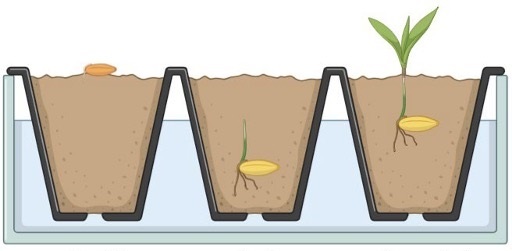
Planting seeds may look simple, but small mistakes at this stage affect the entire life of the plant. Seeds are living organisms in a dormant state. When planted correctly, they wake up, absorb moisture, and begin growing roots before anything appears above the soil.
Beginner gardeners often rush this stage or overcomplicate it. Understanding how to plant seeds step by step allows plants to develop strong roots early, which leads to healthier growth, better resistance to stress, and higher survival rates.
Understanding Seeds Before You Plant Them
Before learning how to sow seeds, it helps to understand what seeds need to grow. All seeds require the right balance of moisture, oxygen, temperature, and time. Light is important for seedlings, but most seeds do not need light to germinate.
Some seeds germinate quickly, while others take longer. This variation is natural. Patience is a key skill when learning how to grow plants from seeds step by step.
Choosing the Right Location to Plant Seeds
Where you plant seeds affects how they grow. Seeds can be planted directly in outdoor garden soil or started indoors and transplanted later.
Outdoor seed planting works best when soil temperature and weather conditions are stable. Indoor seed sowing allows better control over temperature and moisture, especially for beginners or colder climates.
Understanding your environment helps you decide the best method for planting seeds successfully.
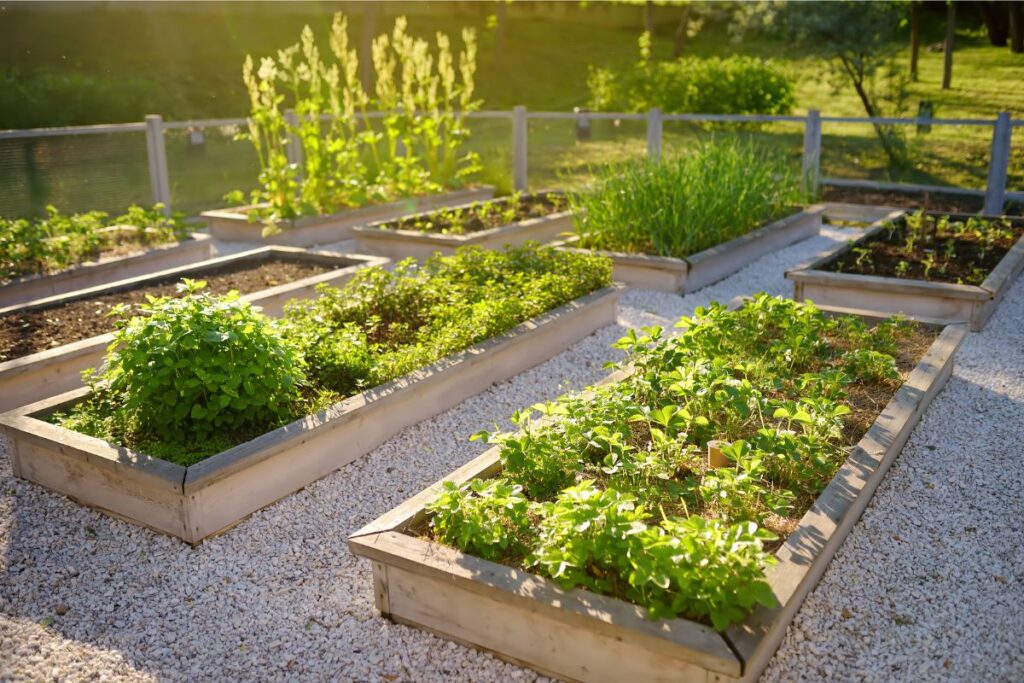
How to Prepare Soil Before Planting Seeds
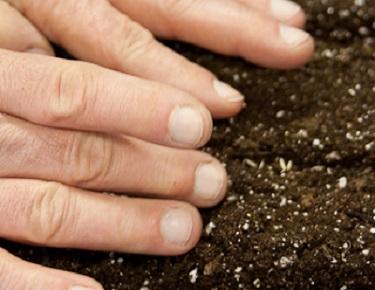
Seeds depend entirely on soil during their early stage. Soil should be loose, fine, and free of large clumps. Compact soil prevents roots from spreading, while overly dry soil stops seeds from absorbing moisture.
Soil should be slightly moist before planting seeds, not soaking wet. Proper soil preparation increases germination rates and reduces early plant stress.
How to Plant Seeds Step by Step (Outdoor Method)
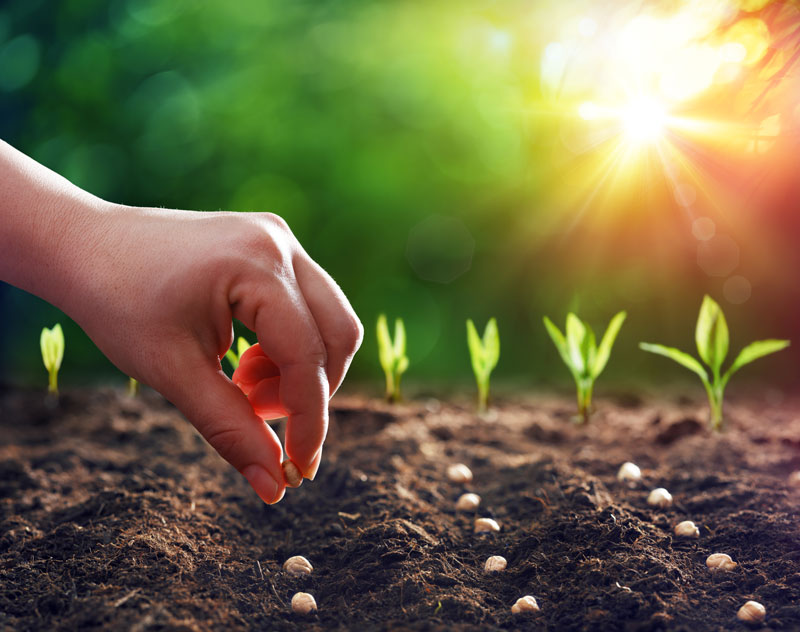
Step 1: Read Seed Requirements Carefully
Different seeds require different planting depths and spacing. Larger seeds are usually planted deeper than smaller seeds. This information helps prevent common beginner mistakes.
Step 2: Create the Correct Planting Depth
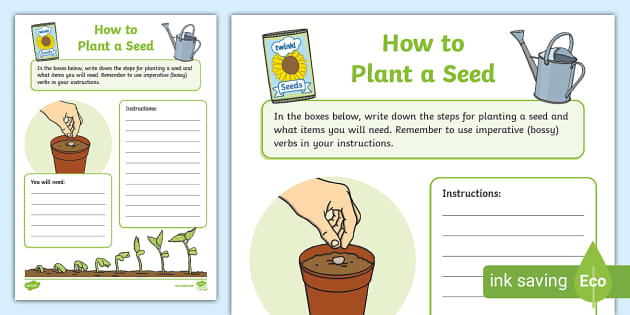
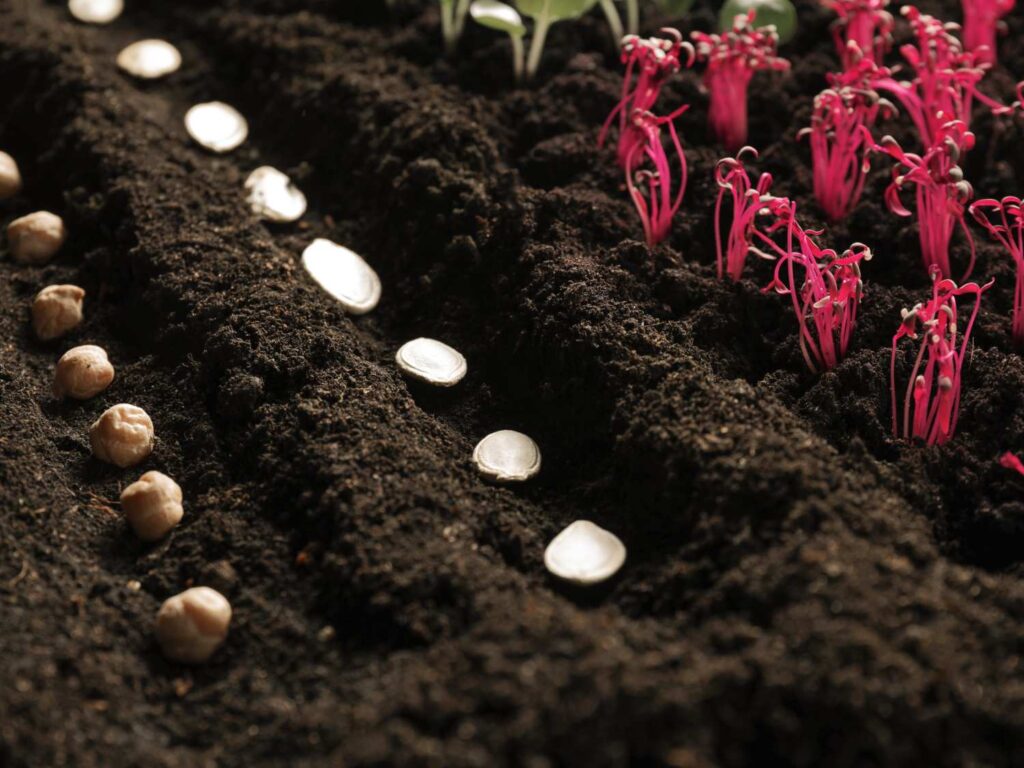
A general rule for how to plant a seed is to plant it at a depth about two to three times its size. Very small seeds should remain close to the surface and may only need light covering.
Planting seeds too deep is one of the most common reasons seeds fail to sprout.
Step 3: Space Seeds Properly
Seeds need space to grow without competing for nutrients and light. Crowded seedlings become weak and leggy. Proper spacing allows airflow and reduces disease risk later.
Spacing may feel unnecessary at the beginning, but it matters greatly as plants mature.
Step 4: Cover Seeds Gently
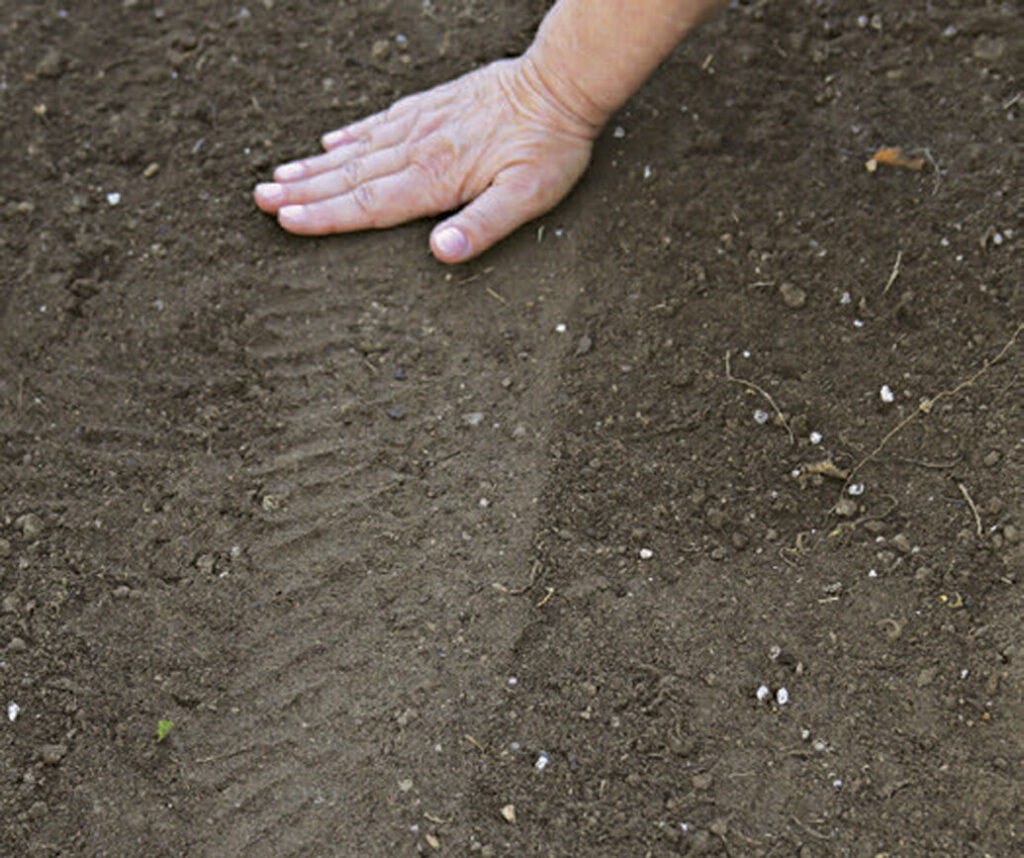
After placing seeds, gently cover them with soil. Avoid pressing down hard. Soil should make contact with the seed while remaining loose enough for roots to push through.
Step 5: Water Carefully After Planting
Water seeds gently to avoid washing them away. Moisture should reach the seed without creating puddles. Consistent moisture is essential during germination.
How to Sow Seeds Indoors Successfully
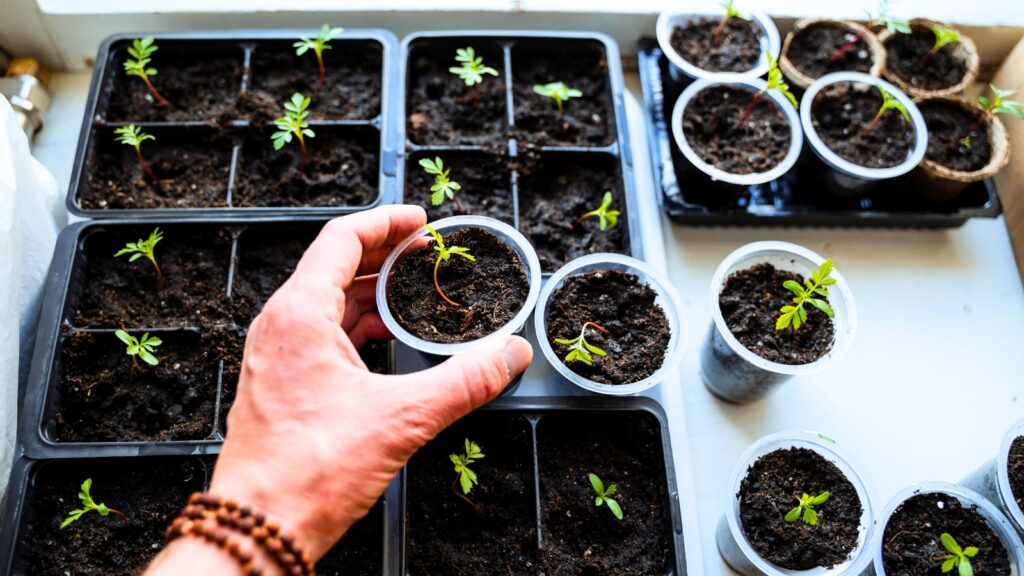
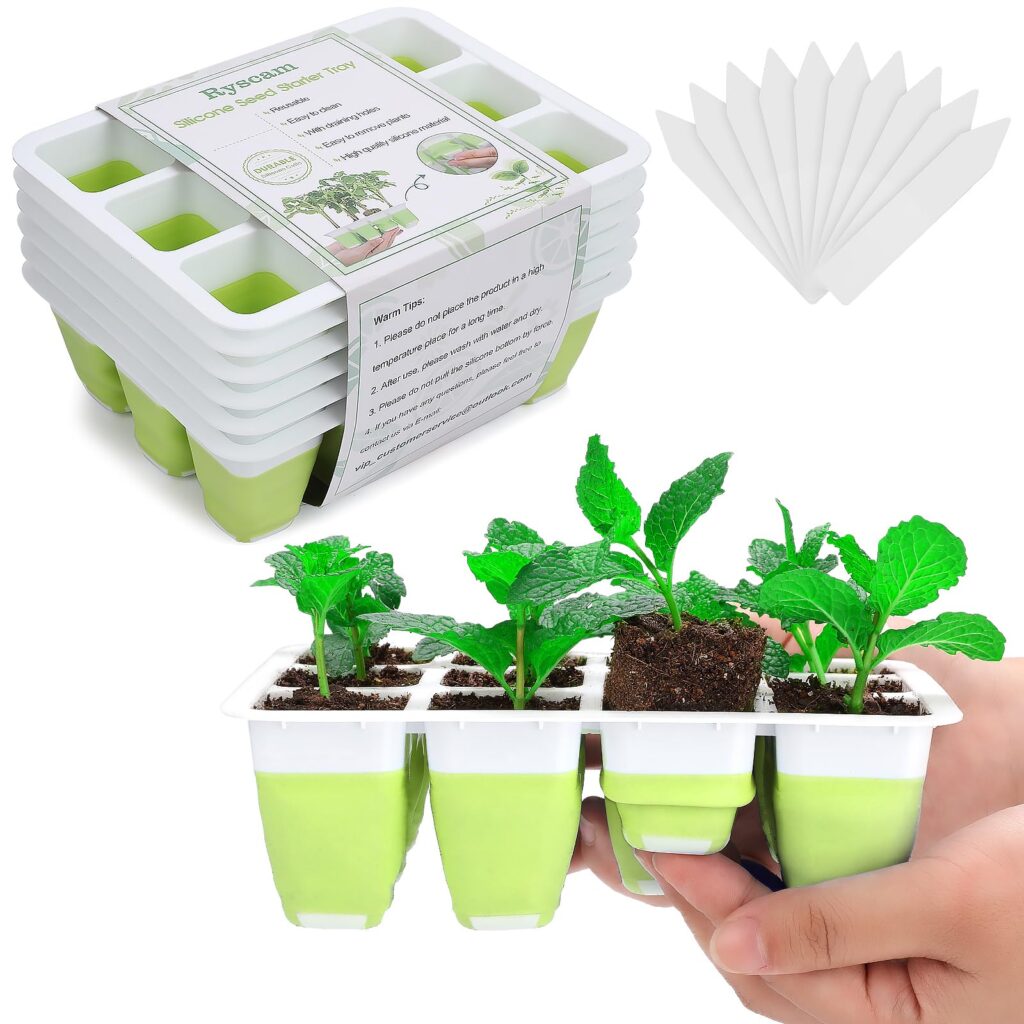
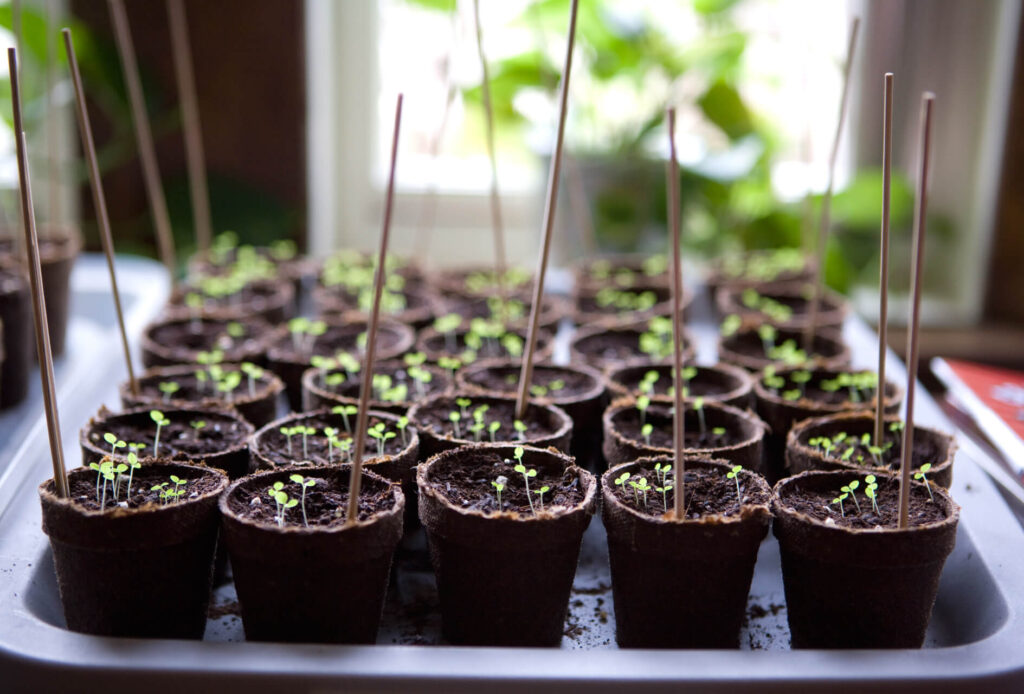
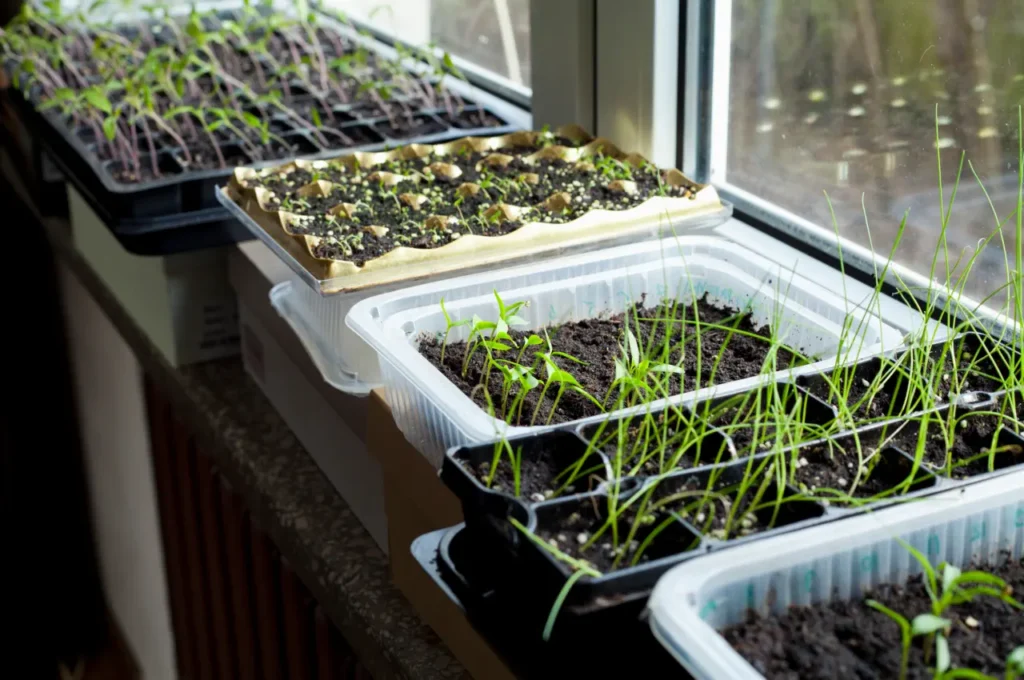
Indoor seed sowing allows beginner gardeners to control conditions more easily. This method is especially helpful in regions with short growing seasons.
Choosing Containers for Indoor Seed Sowing
Containers must have drainage holes to prevent water buildup. Clean containers reduce the risk of disease. Seeds started indoors rely entirely on you for care, so drainage is essential.
Soil for Indoor Seed Starting
Use light, well-draining soil that allows roots to grow freely. Heavy soil retains too much moisture and can cause seeds to rot before germination.
Planting Seeds Indoors Step by Step
The process for how to sow seeds indoors follows the same principles as outdoor planting. Proper depth, spacing, and moisture matter just as much.
After planting, place containers in a warm area. Most seeds germinate best in moderate warmth.
Watering Seeds After Planting
Watering is critical when learning how to plant seeds correctly. Seeds should never dry out during germination, but too much water deprives them of oxygen.
Soil should remain evenly moist. Checking soil daily helps prevent overwatering or drying out.
How Long Seeds Take to Germinate
Germination time varies widely depending on seed type and conditions. Some seeds sprout within days, while others take weeks.
Beginner gardeners often dig into the soil to check seeds. This disrupts the germination process and damages fragile roots. Patience is essential.
Light Requirements After Seeds Sprout
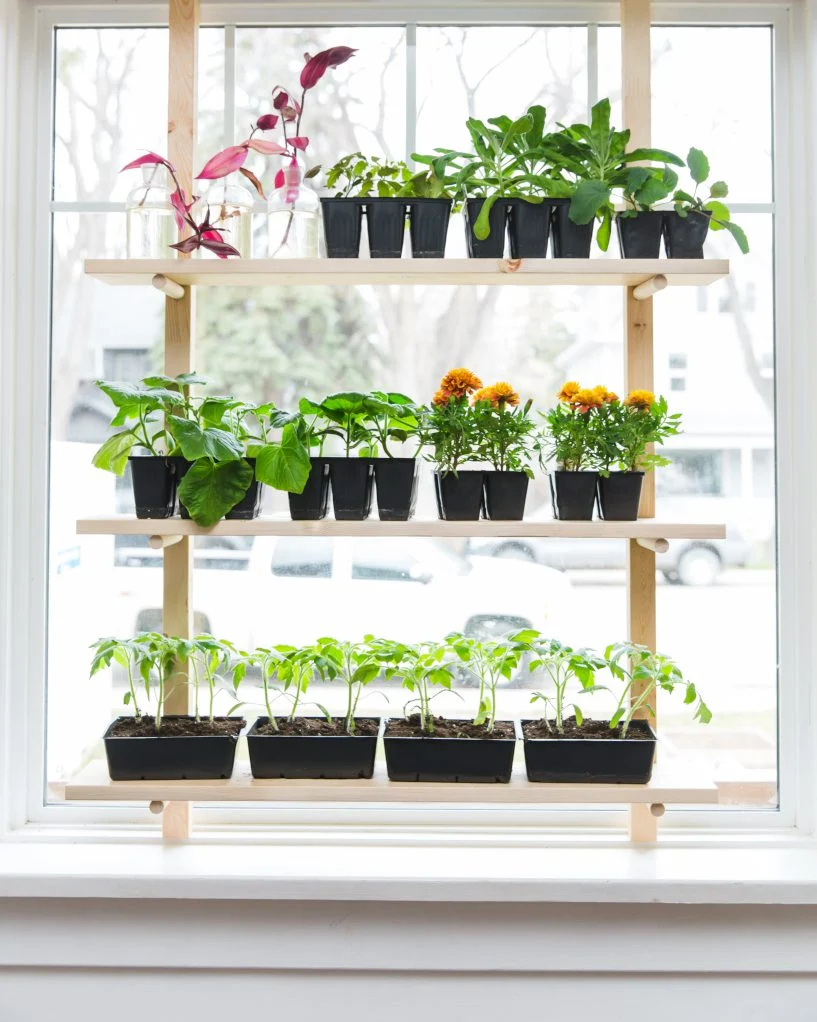
Once seedlings emerge, light becomes crucial. Weak light causes seedlings to stretch and fall over. Outdoor seedlings naturally receive enough light, but indoor seedlings often need brighter conditions.
Strong light encourages compact, healthy growth and prepares plants for transplanting.
Thinning Seedlings for Healthy Growth
Thinning means removing extra seedlings to prevent overcrowding. This step is emotionally difficult for beginners but necessary for strong plants.
Leaving too many seedlings in one area leads to competition and weak growth.
Common Mistakes When Planting Seeds
Many seed failures happen because beginners overwater, plant too deeply, or expect instant results. Another common mistake is planting seeds too early in cold soil.
Understanding these mistakes helps prevent frustration and builds confidence.
How to Grow Plants From Seeds Step by Step (Beyond Germination)
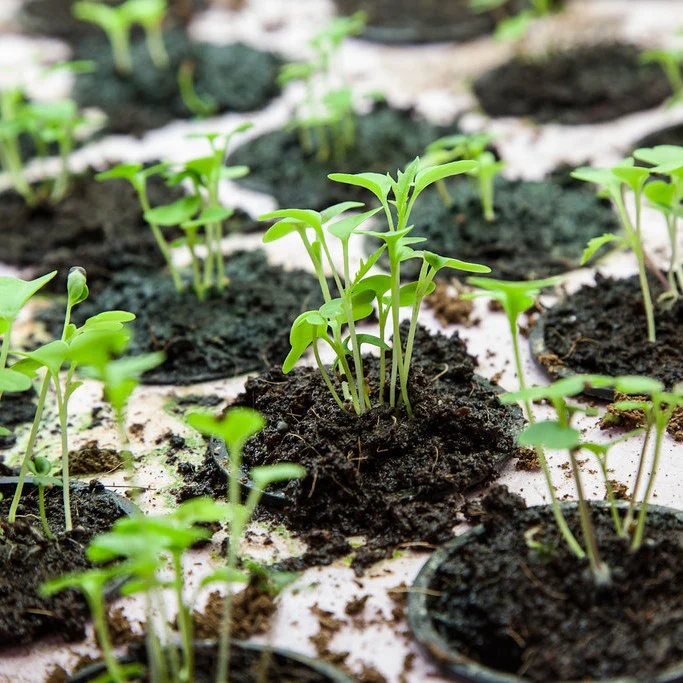
After germination, plants enter a delicate growth stage. Consistent watering, gentle handling, and gradual exposure to outdoor conditions help seedlings adjust.
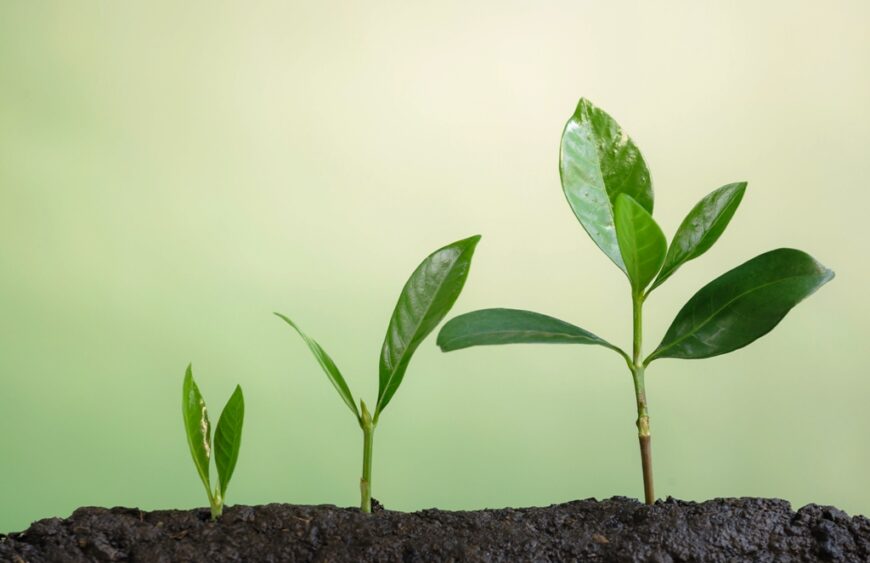
Healthy seedlings develop strong stems and balanced root systems before being transplanted or left to mature in place.
When and How to Transplant Seedlings
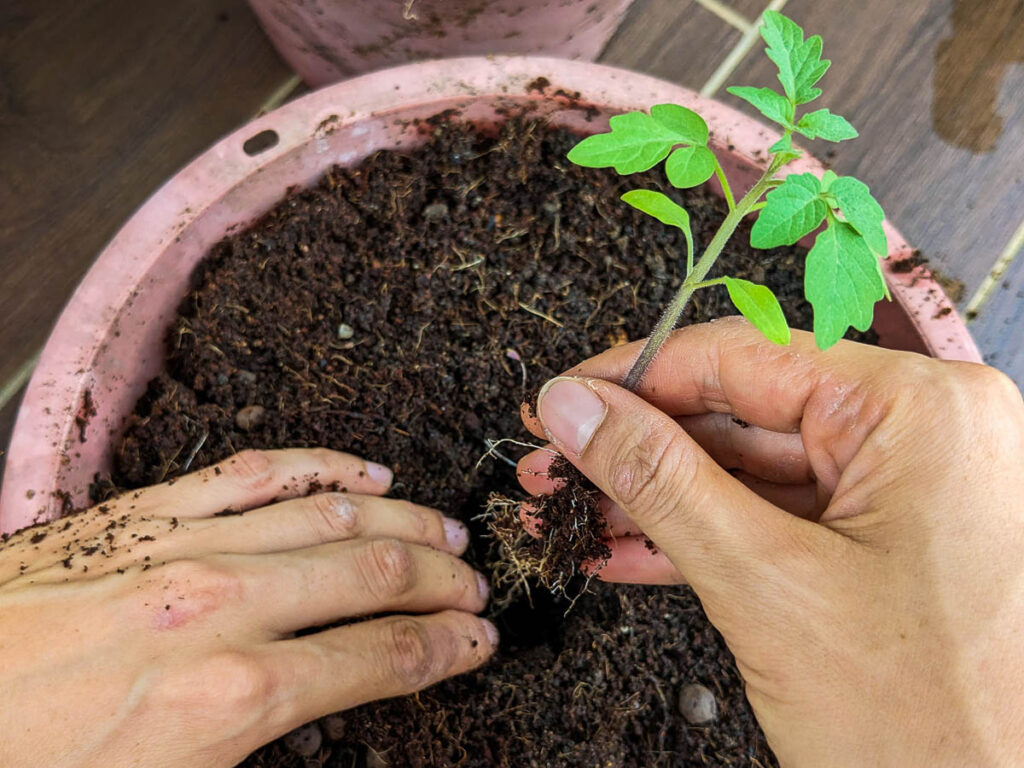
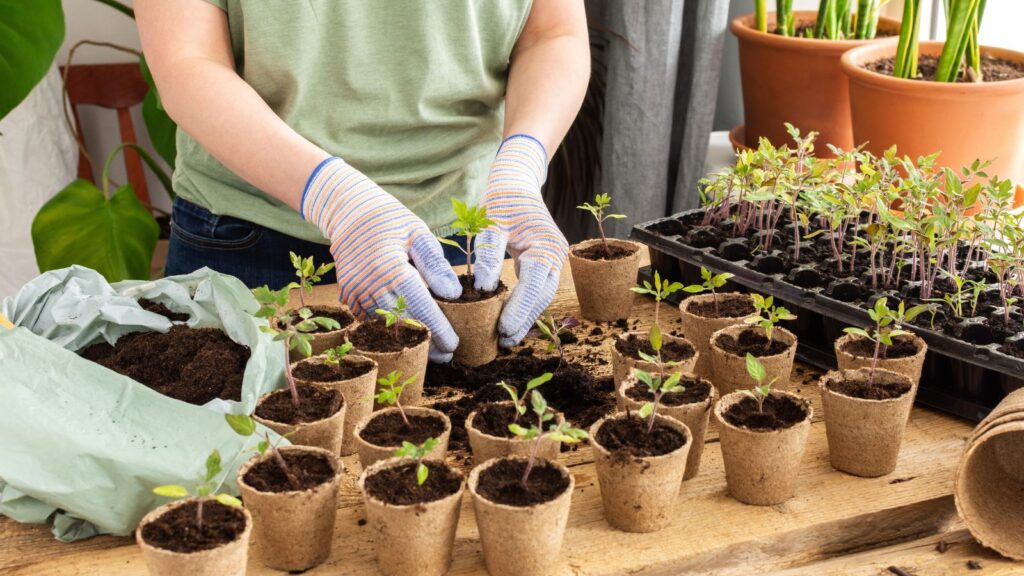
Seedlings started indoors eventually need more space. Transplanting should be done carefully to avoid damaging roots. Gradual exposure to outdoor conditions helps seedlings adapt.
This transition is an important step in learning how to grow plants from seeds successfully.
Seasonal Timing for Seed Planting
Seeds should be planted when conditions support growth. Planting too early exposes seeds to cold stress, while planting too late shortens the growing season.
Understanding local climate patterns helps improve planting success year after year.
Frequently Asked Questions About Planting Seeds
How deep should seeds be planted?
Most seeds should be planted two to three times their size. Very small seeds stay near the surface.
Why aren’t my seeds sprouting?
Common reasons include planting too deep, overwatering, cold soil, or lack of oxygen.
Can I plant seeds directly in garden soil?
Yes, as long as soil conditions are suitable and temperatures are stable.
How often should I water seeds?
Soil should stay consistently moist, especially during germination.
Final Thoughts: Planting Seeds Is the Beginning of Gardening
Learning how to plant seeds correctly is one of the most empowering skills in gardening. It teaches patience, observation, and respect for natural growth processes. When seeds are planted properly, plants develop stronger roots and healthier growth from the start.
Seed planting is not about speed or perfection. It is about understanding life beneath the soil and allowing it to unfold naturally.